Safety note: Admin approval is an initial review, not a guarantee that every detail is correct. Check important or urgent claims with official sources and report anything inaccurate or unsafe.
Source and credit: Contributor's own report
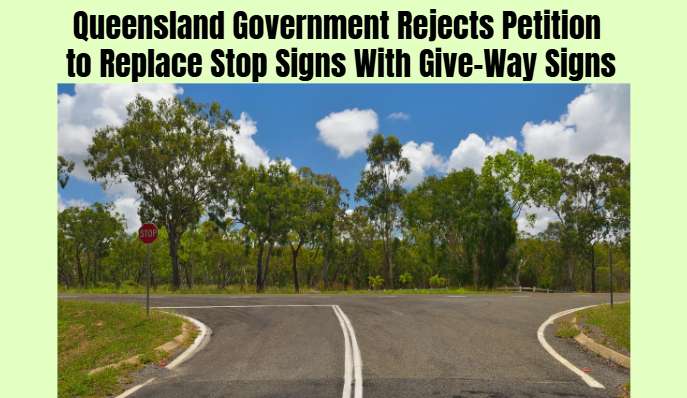
Queensland Government Rejects Petition to Replace Stop Signs With Give-Way Signs - Statewide, QLD
Smart summary
The Queensland Government has rejected a petition calling for stop signs across the state to be replaced with give-way signs. The petition, signed by 391 residents, raised concerns about fuel consumption, energy use a...
The Queensland Government has rejected a petition calling for all stop signs across the state to be replaced with give-way signs, following concerns raised by residents about fuel consumption, energy use and traffic safety.
The petition, signed by 391 Queenslanders, was tabled in the state parliament in late August 2026. It argued that requiring drivers to bring their vehicles to a complete stop at intersections can waste fuel and electricity, particularly when no other traffic is approaching.
The petitioner also raised concerns that vehicles stopping suddenly could increase the risk of rear-end collisions. The petition suggested that replacing stop signs with give-way signs could allow traffic to move more continuously, potentially reducing unnecessary stops and energy use.
Queensland Transport and Main Roads Minister Brent Mickelberg responded to the petition by confirming that the government would not proceed with the proposed statewide change.
In his response, the minister explained that stop signs and give-way signs serve different road safety and traffic management purposes. He said the two signs are not interchangeable and are installed according to nationally recognised engineering standards and traffic control guidelines.
Stop signs are generally used at intersections where visibility is restricted or where a complete stop is considered necessary to manage traffic safely. They require drivers to stop fully before proceeding, even when the road appears clear. Give-way signs, by contrast, require drivers to slow down and give priority to other road users when necessary, proceeding only when it is safe to do so.
The minister acknowledged that bringing a vehicle to a complete stop may lead to additional fuel or energy consumption compared with slowing down and giving way. However, the government’s position is that the safety benefits of stop signs at particular intersections outweigh those operational impacts.
The petition also prompted discussion about the role of traffic controls in managing road risks. Intersection design, visibility, traffic volume and the movement of pedestrians and cyclists can all influence which signs are appropriate for a particular location.
The government’s response does not rule out reviewing traffic controls at individual intersections. Instead, it maintains that decisions about stop and give-way signs should be made according to the conditions and safety requirements of each site, rather than through a blanket statewide replacement.
The petition reflects concerns from some residents about the environmental and practical impacts of frequent stopping. The government’s response emphasises that traffic signs are selected to address specific road conditions and that safety considerations remain central to those decisions.
The statewide proposal has therefore been rejected, and existing traffic-sign arrangements will continue unless changes are made through individual traffic assessments.
SignsStopTrafficPetitionGive-Way
The Queensland Government has rejected a petition calling for all stop signs across the state to be replaced with give-way signs, following concerns raised by residents about fuel consumption, energy use and traffic safety.
The petition, signed by 391 Queenslanders, was tabled in the state parliament in late August 2026. It argued that requiring drivers to bring their vehicles to a complete stop at intersections can waste fuel and electricity, particularly when no other traffic is approaching.
The petitioner also raised concerns that vehicles stopping suddenly could increase the risk of rear-end collisions. The petition suggested that replacing stop signs with give-way signs could allow traffic to move more continuously, potentially reducing unnecessary stops and energy use.
Queensland Transport and Main Roads Minister Brent Mickelberg responded to the petition by confirming that the government would not proceed with the proposed statewide change.
In his response, the minister explained that stop signs and give-way signs serve different road safety and traffic management purposes. He said the two signs are not interchangeable and are installed according to nationally recognised engineering standards and traffic control guidelines.
Stop signs are generally used at intersections where visibility is restricted or where a complete stop is considered necessary to manage traffic safely. They require drivers to stop fully before proceeding, even when the road appears clear. Give-way signs, by contrast, require drivers to slow down and give priority to other road users when necessary, proceeding only when it is safe to do so.
The minister acknowledged that bringing a vehicle to a complete stop may lead to additional fuel or energy consumption compared with slowing down and giving way. However, the government’s position is that the safety benefits of stop signs at particular intersections outweigh those operational impacts.
The petition also prompted discussion about the role of traffic controls in managing road risks. Intersection design, visibility, traffic volume and the movement of pedestrians and cyclists can all influence which signs are appropriate for a particular location.
The government’s response does not rule out reviewing traffic controls at individual intersections. Instead, it maintains that decisions about stop and give-way signs should be made according to the conditions and safety requirements of each site, rather than through a blanket statewide replacement.
The petition reflects concerns from some residents about the environmental and practical impacts of frequent stopping. The government’s response emphasises that traffic signs are selected to address specific road conditions and that safety considerations remain central to those decisions.
The statewide proposal has therefore been rejected, and existing traffic-sign arrangements will continue unless changes are made through individual traffic assessments.
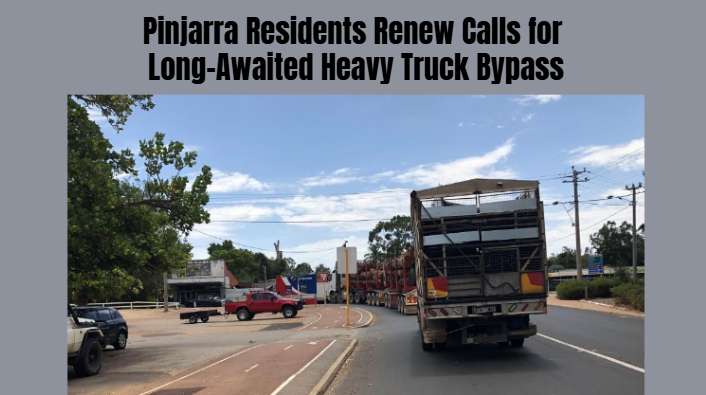
Around 800 heavy haulage trucks travel through Pinjarra each day, prompting renewed calls for a bypass to improve road safety, reduce congestion and eas...
The upcoming Coffs Harbour bypass is expected to remove around 35,000 vehicles a day from the city's main highway route, prompting local businesses, inc...
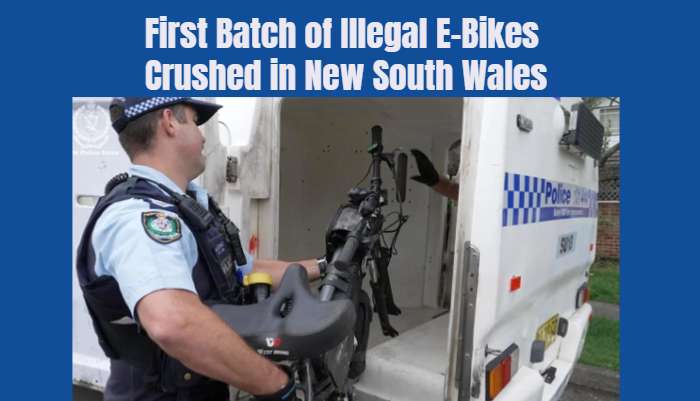
Authorities have crushed 23 confiscated electric bikes in Blacktown under new laws targeting non-compliant e-bikes, following a joint enforcement operat...
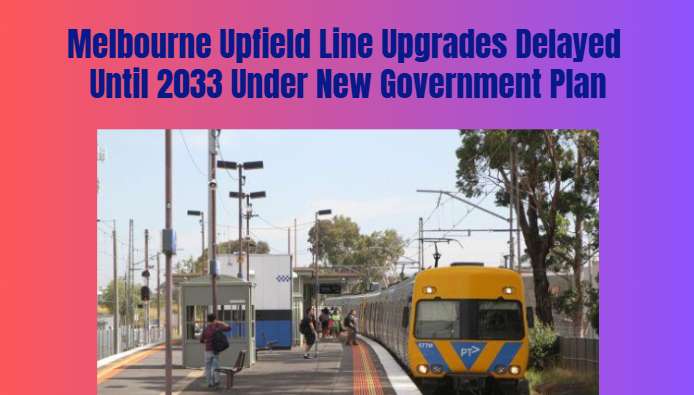
The Victorian Government has announced an $80 million study into duplicating Melbourne's Upfield railway line while delaying eight planned level-crossin...
Captain Smit Machchhar is recovering after allegedly being attacked by his co-pilot aboard a Flydubai flight bound for Israel. His longtime friend has d...
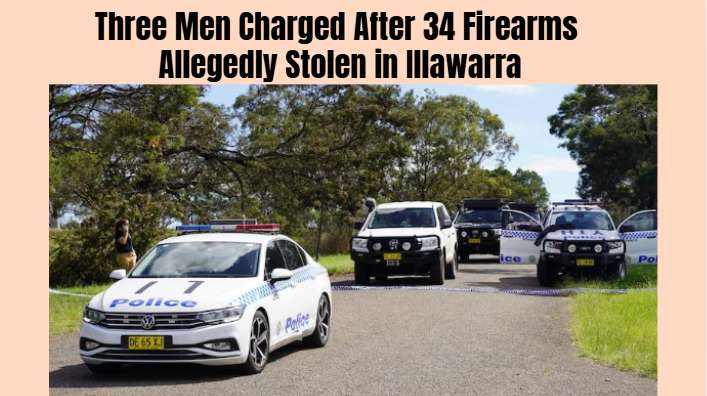
Three men have been charged following an investigation into the alleged theft of 34 firearms, ammunition and jewellery from a property in Kanahooka, sou...
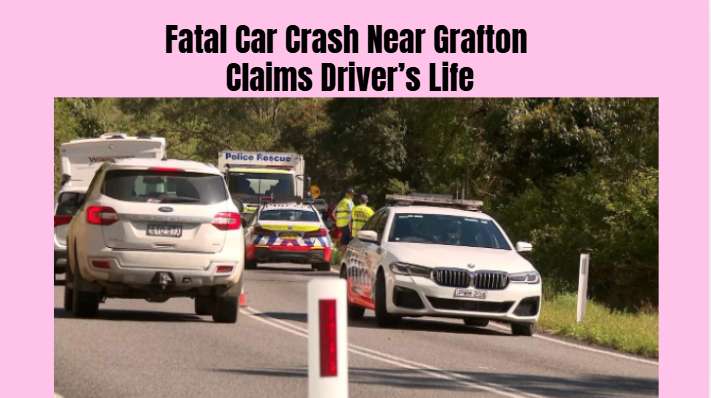
A man has died after his car struck a tree at Carrs Creek, north of Grafton, in New South Wales. Police have established a crime scene and are investiga...
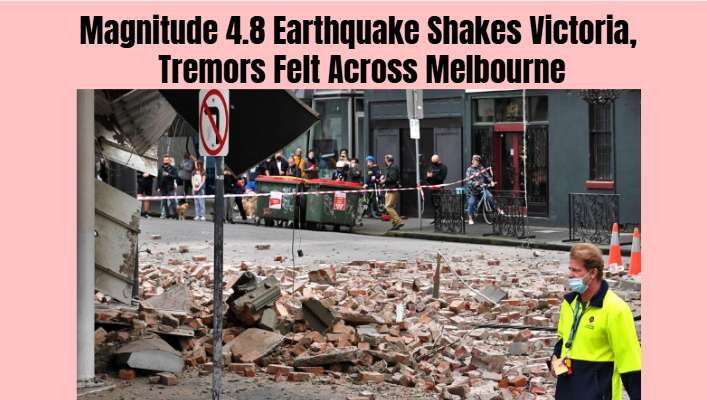
A magnitude 4.8 earthquake struck near Leongatha in Victoria early Saturday morning, shaking homes across south-east Australia, waking residents and pro...
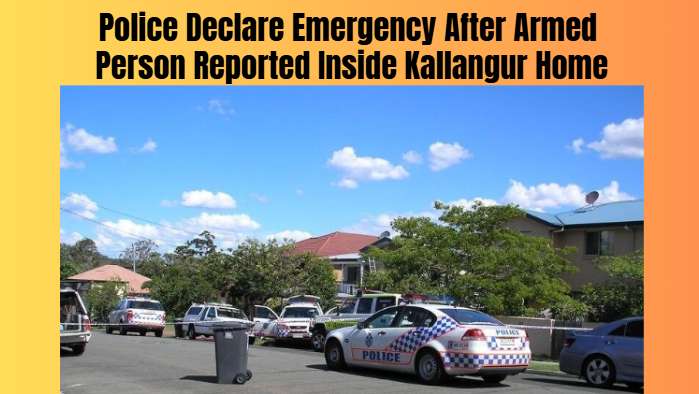
Queensland Police established an emergency exclusion zone in Kallangur, north of Brisbane, after receiving reports of an armed person inside a residence...
Captain Smit Machchhar is recovering after allegedly being attacked by his co-pilot aboard a Flydubai flight bound for Israel. His longtime friend has d...
Three men have been charged following an investigation into the alleged theft of 34 firearms, ammunition and jewellery from a property in Kanahooka, sou...
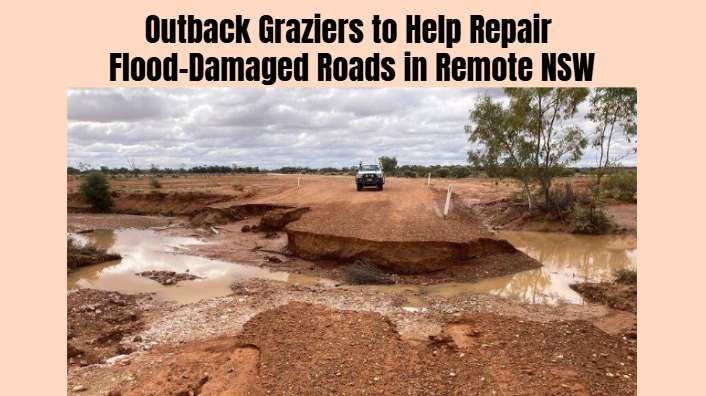
Transport for NSW plans to hire local graziers and station owners to help repair roads damaged by months of heavy rain in the state’s Far West. However,...