Queensland police charge 11 people under new laws targeting 3D-printed gun blueprints
By Neha · Published 30 Jun 2026 · Updated 30 Jun 2026
Brisbane, Queensland · Queensland News
Safety note: Admin approval is an initial review, not a guarantee that every detail is correct. Check important or urgent claims with official sources and report anything inaccurate or unsafe.
Source and credit: Contributor's own report
Queensland police charge 11 people under new laws targeting 3D-printed gun blueprints - Brisbane, Queensland
Smart summary
Queensland Police say homemade and 3D-printed firearms are becoming an increasing threat, with 11 people charged under new laws that criminalise possessing or distributing digital blueprints used to manufacture firearms.
Queensland Police have revealed that 11 people have been charged since March under new firearm laws designed to combat the growing threat of homemade and 3D-printed guns, highlighting increasing concern over the spread of untraceable weapons across Australia.
The legislation, introduced by the Queensland Government following the Bondi terror attack, makes it a criminal offence to possess or distribute digital blueprints that can be used to manufacture 3D-printed firearms. Queensland joined New South Wales and Tasmania in specifically targeting the digital files that allow people to produce so-called "ghost guns" using commercially available 3D printers.
According to Queensland Police, one person has been charged approximately every two weeks since the laws came into effect. Investigators say the charges demonstrate the growing popularity of privately manufactured firearms among criminal groups and individuals seeking to avoid traditional firearm controls.
Detective Inspector Brad Phelps, from Queensland Police's Crime and Intelligence Command Drug Squad, said every Australian jurisdiction has reported an increase in the seizure and use of privately manufactured firearms. He said the new offences give investigators stronger powers to intervene before illegal firearms are produced and potentially used in violent crimes.
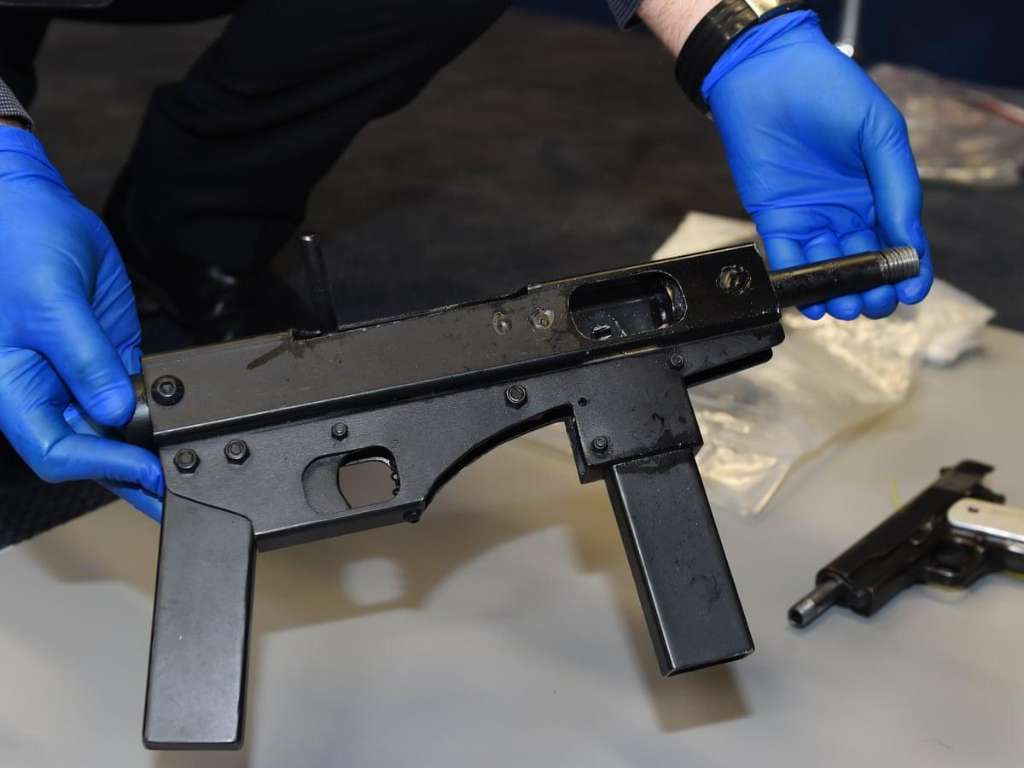
One of the most significant investigations occurred on the Gold Coast, where police allegedly seized 34 Glock-style 3D-printed firearms, hundreds of rounds of ammunition, magazines and a hard drive containing firearm-printing blueprints after stopping a vehicle at Surfers Paradise in March. Two men were subsequently charged over the alleged operation.
Police have also uncovered large-scale home manufacturing operations. In one Bundaberg investigation, officers allege a suspect had converted several rooms of a suburban house into a workshop containing multiple 3D printers producing firearm components. Authorities say these firearms are capable of firing live ammunition and can be just as lethal as conventionally manufactured weapons.
Unlike traditional firearms, 3D-printed or privately made guns generally do not carry serial numbers, making them significantly harder for police to trace after they are used in crimes. Law enforcement agencies are particularly concerned because blueprints can be downloaded online, allowing people with relatively inexpensive equipment to manufacture functioning firearms at home.
Gun violence researchers say advances in 3D-printing technology have made illegal firearm production more accessible than ever before. Samara McPhedran, from the Violence Prevention Institute, said the technology allows virtually anyone with access to a 3D printer to manufacture firearms or firearm components, creating new challenges for police and lawmakers. She noted it remains too early to determine whether Queensland's new legislation will significantly deter offenders, but described the reforms as an important step in addressing the emerging threat.
Queensland Police say they will continue targeting the manufacture, possession and distribution of illegal firearms while working with other Australian jurisdictions to combat organised crime and prevent violent offences involving homemade weapons. Authorities are also urging members of the public to report suspicious activity involving illegal firearm manufacturing or trafficking.
Police emphasise that the reforms are intended to stop illegal weapons before they reach the community, reducing the risk posed by untraceable firearms and improving public safety as technology continues to evolve.
FirearmsPoliceQueenslandFirearmD-Printed
Queensland Police have revealed that 11 people have been charged since March under new firearm laws designed to combat the growing threat of homemade and 3D-printed guns, highlighting increasing concern over the spread of untraceable weapons across Australia.
The legislation, introduced by the Queensland Government following the Bondi terror attack, makes it a criminal offence to possess or distribute digital blueprints that can be used to manufacture 3D-printed firearms. Queensland joined New South Wales and Tasmania in specifically targeting the digital files that allow people to produce so-called "ghost guns" using commercially available 3D printers.
According to Queensland Police, one person has been charged approximately every two weeks since the laws came into effect. Investigators say the charges demonstrate the growing popularity of privately manufactured firearms among criminal groups and individuals seeking to avoid traditional firearm controls.
Detective Inspector Brad Phelps, from Queensland Police's Crime and Intelligence Command Drug Squad, said every Australian jurisdiction has reported an increase in the seizure and use of privately manufactured firearms. He said the new offences give investigators stronger powers to intervene before illegal firearms are produced and potentially used in violent crimes.
One of the most significant investigations occurred on the Gold Coast, where police allegedly seized 34 Glock-style 3D-printed firearms, hundreds of rounds of ammunition, magazines and a hard drive containing firearm-printing blueprints after stopping a vehicle at Surfers Paradise in March. Two men were subsequently charged over the alleged operation.
Police have also uncovered large-scale home manufacturing operations. In one Bundaberg investigation, officers allege a suspect had converted several rooms of a suburban house into a workshop containing multiple 3D printers producing firearm components. Authorities say these firearms are capable of firing live ammunition and can be just as lethal as conventionally manufactured weapons.
Unlike traditional firearms, 3D-printed or privately made guns generally do not carry serial numbers, making them significantly harder for police to trace after they are used in crimes. Law enforcement agencies are particularly concerned because blueprints can be downloaded online, allowing people with relatively inexpensive equipment to manufacture functioning firearms at home.
Gun violence researchers say advances in 3D-printing technology have made illegal firearm production more accessible than ever before. Samara McPhedran, from the Violence Prevention Institute, said the technology allows virtually anyone with access to a 3D printer to manufacture firearms or firearm components, creating new challenges for police and lawmakers. She noted it remains too early to determine whether Queensland's new legislation will significantly deter offenders, but described the reforms as an important step in addressing the emerging threat.
Queensland Police say they will continue targeting the manufacture, possession and distribution of illegal firearms while working with other Australian jurisdictions to combat organised crime and prevent violent offences involving homemade weapons. Authorities are also urging members of the public to report suspicious activity involving illegal firearm manufacturing or trafficking.
Police emphasise that the reforms are intended to stop illegal weapons before they reach the community, reducing the risk posed by untraceable firearms and improving public safety as technology continues to evolve.
Northern Territory Police are investigating a series of alleged aggravated burglaries in Alice Springs after up to seven homes in the Araluen area were...
Two teenagers have been arrested after a large factory fire in Melbourne's north was declared suspicious, with police investigating how the blaze started.
NSW Police are appealing for information to identify a woman wanted in connection with the death of a 73-year-old man following an alleged hit-and-run i...
A 50-year-old man has died after being struck by a vehicle in Fernvale, west of Brisbane, with police launching a homicide investigation and arresting a...
Amateur astronomers are using new telescope technology to photograph the Moon, planets and distant galaxies from Brisbane homes, showing that city skies...
Severe weather in Melbourne has caused flight disruptions from Brisbane, with at least one flight cancelled and other services delayed as passengers tra...
Treasurer Jim Chalmers says the federal budget bottom line has improved by $6 billion compared with the May forecast, while the government faces pressur...
Northern Territory Police are investigating a series of alleged aggravated burglaries in Alice Springs after up to seven homes in the Araluen area were...