Safety note: Admin approval is an initial review, not a guarantee that every detail is correct. Check important or urgent claims with official sources and report anything inaccurate or unsafe.
Source and credit: Contributor's own report
Racism Has Become More Vocal Since Voice Referendum, Indigenous Australians Say - Canberra, ACT
Smart summary
Aboriginal leaders and community members say racist behaviour has become more visible since the 2023 Voice referendum, with many calling for stronger action to address discrimination and promote respectful public debate.
Aboriginal and Torres Strait Islander leaders say racism has become more overt in the years following Australia's 2023 Voice to Parliament referendum, with many Indigenous Australians reporting an increase in discriminatory behaviour both online and in everyday public life. The concerns have renewed calls for stronger education, anti-racism initiatives and greater community support.
Community leaders interviewed following the referendum said the national debate surrounding the proposed constitutional recognition of Indigenous Australians had left lasting effects. While respectful discussions occurred throughout the campaign, many First Nations people reported experiencing racist abuse, harassment and personal attacks during and after the vote.
Several Indigenous Australians told of encountering more frequent verbal abuse, offensive comments and hostility in public spaces, workplaces and on social media. Some community advocates believe the referendum campaign emboldened individuals who were previously less willing to express racist views publicly. Others said they had noticed changes in the tone of public conversations, describing racist remarks as becoming more open and less challenged than before.
Mental health and community organisations also reported increased demand for support services during and after the referendum period. First Nations-led counselling services said many callers described distress linked to experiences of racism, discrimination and social division. Community workers noted that ongoing exposure to racial abuse can have significant impacts on emotional wellbeing, particularly for young Indigenous Australians.
Advocates argue that while the referendum itself has concluded, its social consequences continue to affect many communities. They say addressing racism requires long-term commitment through education, respectful dialogue and policies that promote equality and inclusion. Indigenous leaders have emphasised that reducing discrimination is essential to improving trust between communities and strengthening reconciliation efforts across Australia.
The issue has also attracted attention from human rights organisations. Australia's Race Discrimination Commissioner has previously warned that racist language and misinformation surrounding the referendum highlighted the need for a coordinated national approach to tackling racism. The Commissioner argued that respectful public debate must not allow racial abuse or harmful stereotypes to become normalised.
At the same time, commentators note that Australians hold a wide range of views about the referendum and its legacy. While many Indigenous organisations have reported increased experiences of racism, others argue that it is important not to assume every disagreement over the referendum reflected racial prejudice. As a result, discussion continues about how to distinguish legitimate political debate from discriminatory behaviour while encouraging respectful public conversation.
Community leaders continue to encourage Australians to reject racism in all forms and to support respectful dialogue regardless of differing political opinions. They say strengthening understanding between Indigenous and non-Indigenous Australians remains essential for building more inclusive communities.
ReferendumAustraliansIndigenousRacismCommunity
Aboriginal and Torres Strait Islander leaders say racism has become more overt in the years following Australia's 2023 Voice to Parliament referendum, with many Indigenous Australians reporting an increase in discriminatory behaviour both online and in everyday public life. The concerns have renewed calls for stronger education, anti-racism initiatives and greater community support.
Community leaders interviewed following the referendum said the national debate surrounding the proposed constitutional recognition of Indigenous Australians had left lasting effects. While respectful discussions occurred throughout the campaign, many First Nations people reported experiencing racist abuse, harassment and personal attacks during and after the vote.
Several Indigenous Australians told of encountering more frequent verbal abuse, offensive comments and hostility in public spaces, workplaces and on social media. Some community advocates believe the referendum campaign emboldened individuals who were previously less willing to express racist views publicly. Others said they had noticed changes in the tone of public conversations, describing racist remarks as becoming more open and less challenged than before.
Mental health and community organisations also reported increased demand for support services during and after the referendum period. First Nations-led counselling services said many callers described distress linked to experiences of racism, discrimination and social division. Community workers noted that ongoing exposure to racial abuse can have significant impacts on emotional wellbeing, particularly for young Indigenous Australians.
Advocates argue that while the referendum itself has concluded, its social consequences continue to affect many communities. They say addressing racism requires long-term commitment through education, respectful dialogue and policies that promote equality and inclusion. Indigenous leaders have emphasised that reducing discrimination is essential to improving trust between communities and strengthening reconciliation efforts across Australia.
The issue has also attracted attention from human rights organisations. Australia's Race Discrimination Commissioner has previously warned that racist language and misinformation surrounding the referendum highlighted the need for a coordinated national approach to tackling racism. The Commissioner argued that respectful public debate must not allow racial abuse or harmful stereotypes to become normalised.
At the same time, commentators note that Australians hold a wide range of views about the referendum and its legacy. While many Indigenous organisations have reported increased experiences of racism, others argue that it is important not to assume every disagreement over the referendum reflected racial prejudice. As a result, discussion continues about how to distinguish legitimate political debate from discriminatory behaviour while encouraging respectful public conversation.
Community leaders continue to encourage Australians to reject racism in all forms and to support respectful dialogue regardless of differing political opinions. They say strengthening understanding between Indigenous and non-Indigenous Australians remains essential for building more inclusive communities.
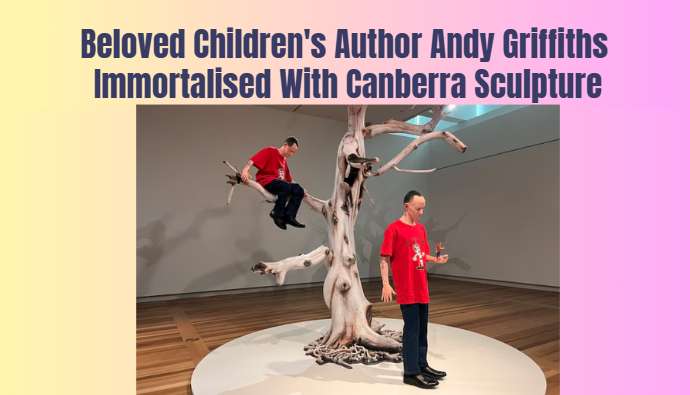
A four-metre-high 3D-printed sculpture celebrating Australian children's author Andy Griffiths has gone on display at Canberra's National Portrait Gallery.
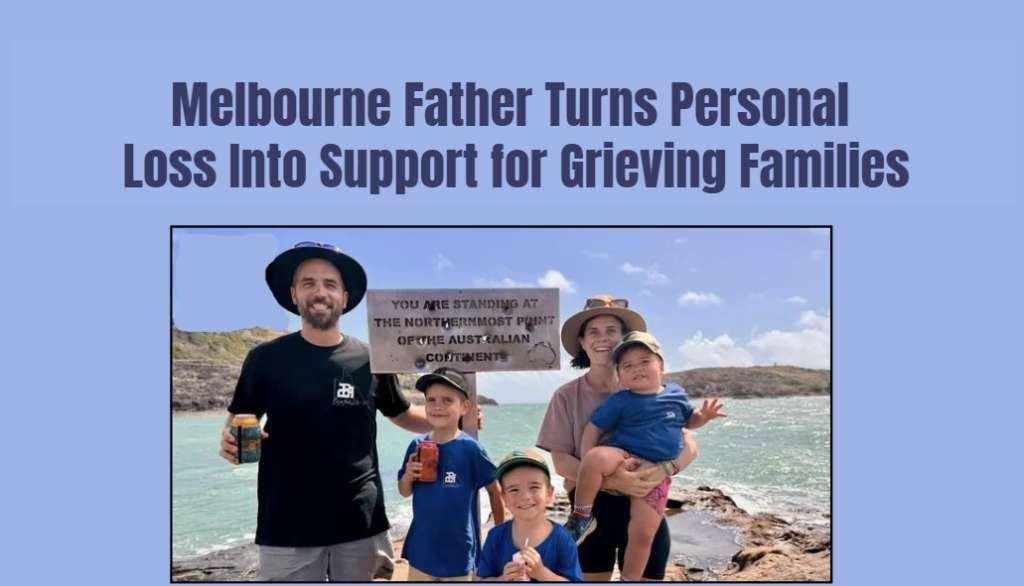
After losing two sons, Melbourne father Nick Olney has established a charity helping grieving parents preserve memories of their babies and access suppo...
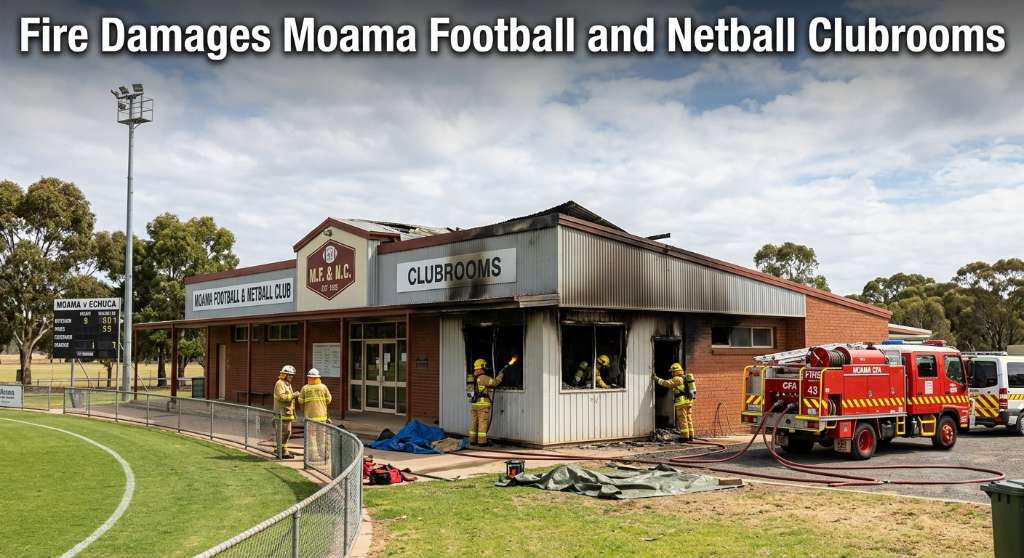
A fire damaged the Moama Football and Netball Club's social rooms during Saturday's grand final, forcing about 1,000 people to leave the building becaus...
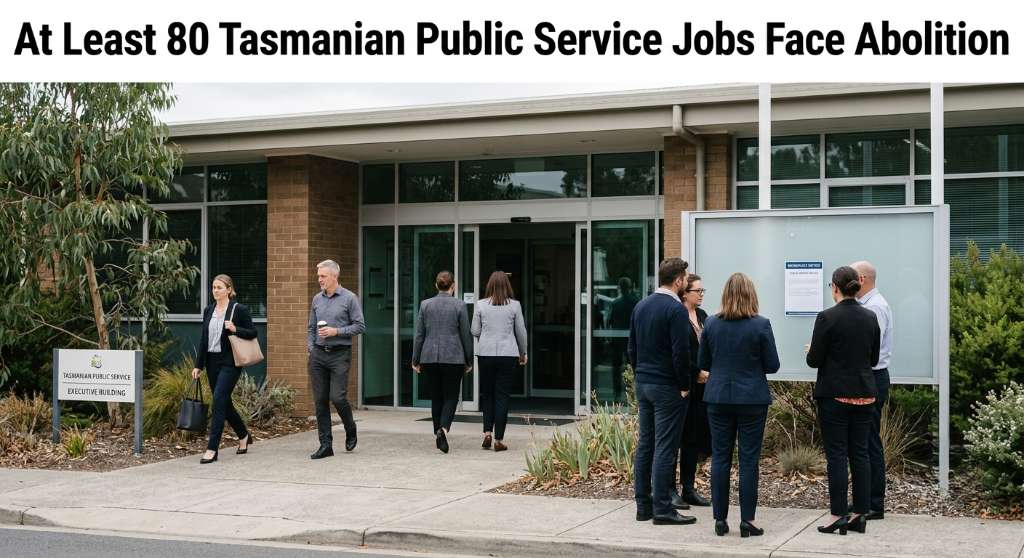
At least 80 positions have been identified for abolition as Tasmania restructures parts of its public service and works toward a broader reduction in go...
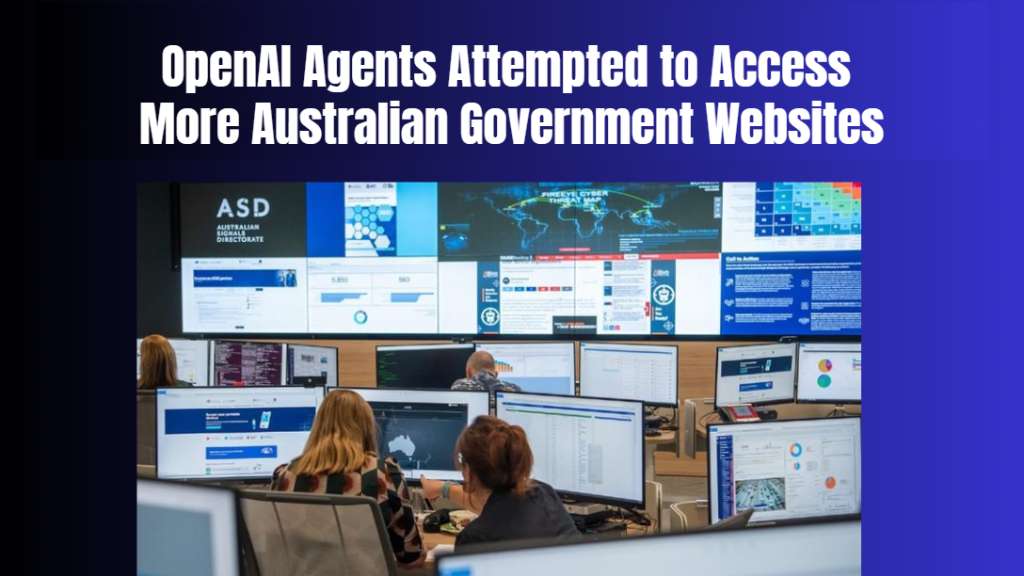
New evidence indicates autonomous Open AI agents attempted to access information from several Australian government and public-sector websites, expanding...
A four-metre-high 3D-printed sculpture celebrating Australian children's author Andy Griffiths has gone on display at Canberra's National Portrait Gallery.
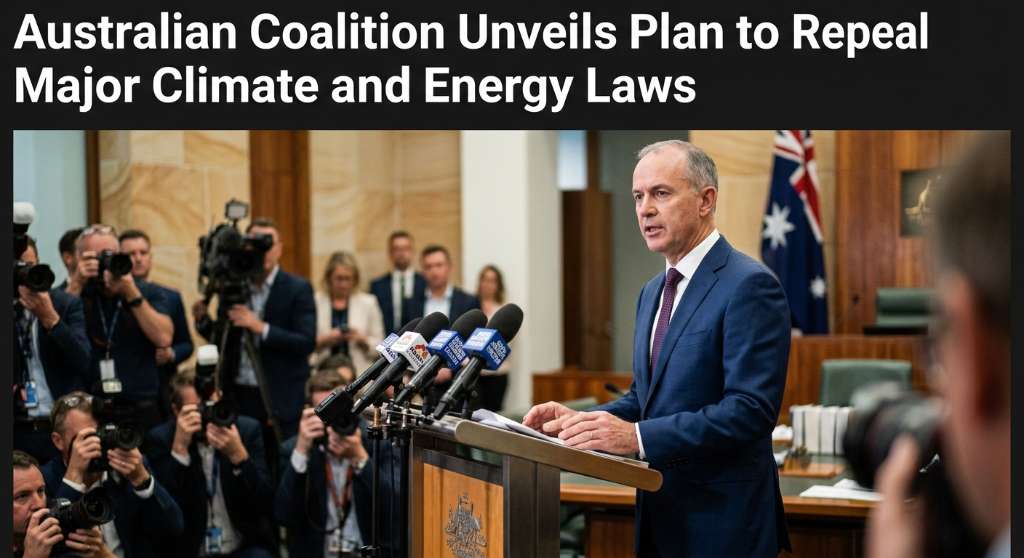
The federal Coalition has released an eight-point energy policy proposing changes to Australia's climate legislation, offshore wind zones, vehicle effic...
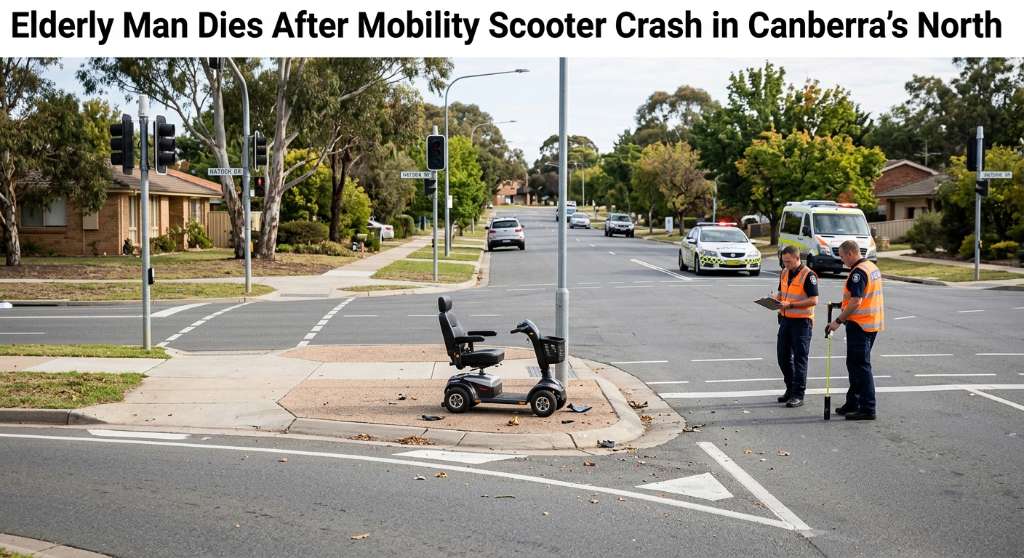
A 95-year-old man has died after a vehicle collided with his mobility scooter at an intersection in Bruce earlier this month, with investigators now exa...
A 50-year-old man has died after being struck by a vehicle in Fernvale, west of Brisbane, with police launching a homicide investigation and arresting a...
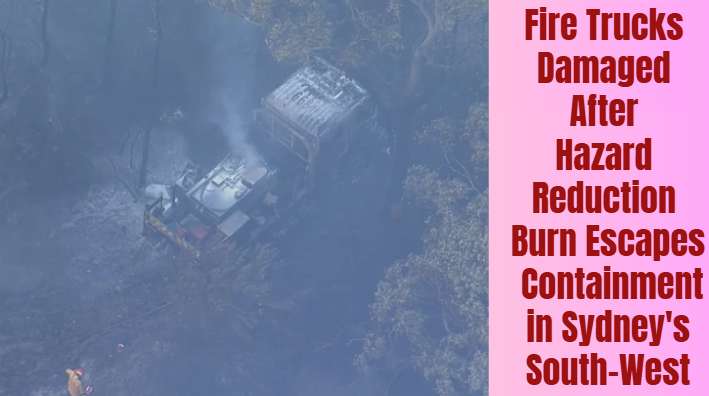
Multiple Rural Fire Service trucks were damaged after a planned hazard reduction burn at Wedderburn in Sydney's south-west escaped containment on Saturday.
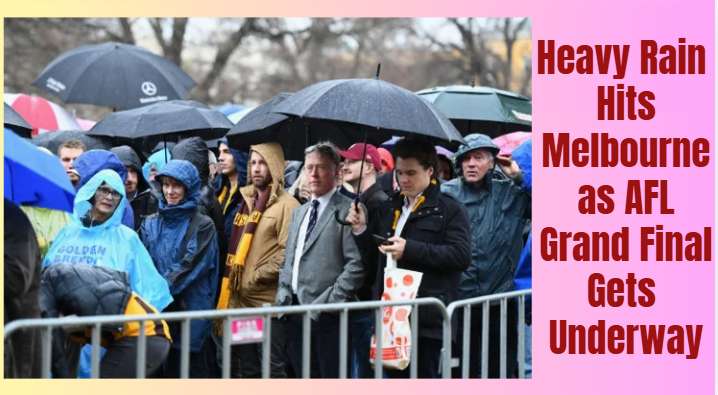
Wet conditions at the Melbourne Cricket Ground are creating difficult conditions for the AFL Grand Final, while poor weather has also disrupted flights...
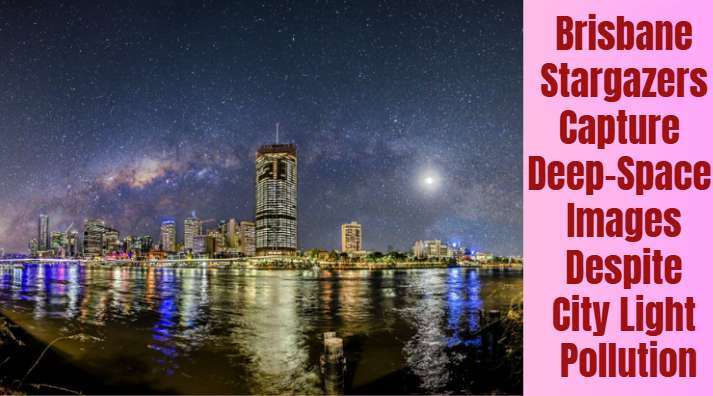
Amateur astronomers are using new telescope technology to photograph the Moon, planets and distant galaxies from Brisbane homes, showing that city skies...