Safety note: Admin approval is an initial review, not a guarantee that every detail is correct. Check important or urgent claims with official sources and report anything inaccurate or unsafe.
Source and credit: Contributor's own report
Report Reveals Extensive Coal and Gas Industry Presence in Australian Schools and Children's Sport - Canberra, ACT
Smart summary
A new report has identified more than 260 fossil fuel-funded programs in schools, museums and sporting organisations, prompting renewed calls for greater transparency and a Senate inquiry.
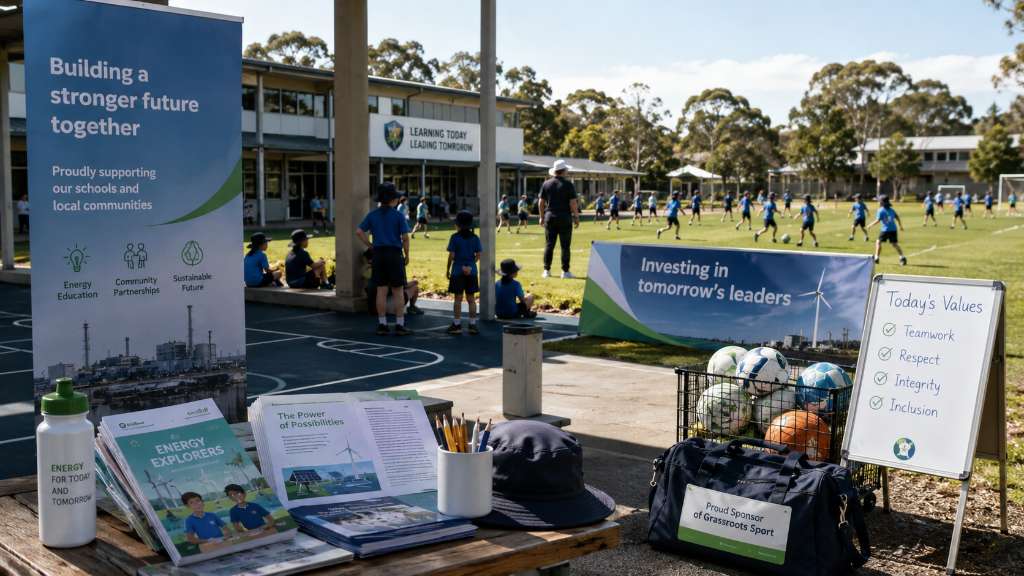
A new report has raised concerns about the scale of coal, oil and gas industry involvement in Australian schools, early learning centres, museums and children's sporting organisations, revealing what researchers describe as an "extensive industry presence" in environments where young Australians learn and play. Compiled by climate communications organisation Comms Declare, the report identifies more than 260 publicly documented partnerships, sponsorships and educational initiatives backed by major fossil fuel companies including Santos, Woodside, Shell, Chevron and BHP. Researchers argue the findings highlight the need for greater transparency and stronger oversight of industry-funded programs involving children.
The report estimates that more than $50 million has been spent on just six of the identified programs, suggesting the industry's total investment across schools and youth organisations could be substantially higher. These initiatives range from sponsorship of junior sporting clubs and surf lifesaving programs to classroom teaching resources, science education projects, museum partnerships, scholarships and visits to mining sites. While many programs provide valuable funding for communities and create pathways into regional employment, critics argue they also offer companies opportunities to influence public perceptions of climate change and the fossil fuel industry.
Researchers expressed concern that children may not recognise educational material sponsored by industry as a form of corporate influence. The report suggests some teaching resources place greater emphasis on technological solutions, adaptation and individual actions while giving limited attention to the contribution of fossil fuels to climate change. It also notes that several educational materials present information from the perspective of the mining and energy sector, raising questions about balance and independence in classroom resources.
Representatives from the resources industry defended many of the partnerships, arguing they support schools and community organisations that often struggle for funding. Industry groups said their educational materials are developed alongside qualified educators and aligned with the Australian Curriculum. They also pointed to successful employment outcomes, particularly in regional communities where mining remains a major employer, saying such programs help students explore careers in engineering, science and technical trades.
The report has prompted calls from Greens senator Steph Hodgins-May and independent senator David Pocock for a Senate inquiry into fossil fuel industry engagement with children and young people. They argue that companies with significant commercial interests should not be responsible for delivering educational content without appropriate safeguards and independent oversight. The proposal draws comparisons with previous restrictions on banking programs in schools, where concerns about commercial influence ultimately led to regulatory changes.
Comms Declare acknowledged that many industry-funded initiatives provide genuine benefits to local communities but said the broader issue is whether existing governance arrangements are sufficient to ensure transparency and protect educational independence. As debate continues, the report is expected to fuel discussion about the role of corporate sponsorship in education, how schools secure funding for extracurricular activities, and whether stronger disclosure requirements are needed when private companies engage with children through educational or sporting programs.
IndustryEducationalProgramsChildrenSchools
A new report has raised concerns about the scale of coal, oil and gas industry involvement in Australian schools, early learning centres, museums and children's sporting organisations, revealing what researchers describe as an "extensive industry presence" in environments where young Australians learn and play. Compiled by climate communications organisation Comms Declare, the report identifies more than 260 publicly documented partnerships, sponsorships and educational initiatives backed by major fossil fuel companies including Santos, Woodside, Shell, Chevron and BHP. Researchers argue the findings highlight the need for greater transparency and stronger oversight of industry-funded programs involving children.
The report estimates that more than $50 million has been spent on just six of the identified programs, suggesting the industry's total investment across schools and youth organisations could be substantially higher. These initiatives range from sponsorship of junior sporting clubs and surf lifesaving programs to classroom teaching resources, science education projects, museum partnerships, scholarships and visits to mining sites. While many programs provide valuable funding for communities and create pathways into regional employment, critics argue they also offer companies opportunities to influence public perceptions of climate change and the fossil fuel industry.
Researchers expressed concern that children may not recognise educational material sponsored by industry as a form of corporate influence. The report suggests some teaching resources place greater emphasis on technological solutions, adaptation and individual actions while giving limited attention to the contribution of fossil fuels to climate change. It also notes that several educational materials present information from the perspective of the mining and energy sector, raising questions about balance and independence in classroom resources.
Representatives from the resources industry defended many of the partnerships, arguing they support schools and community organisations that often struggle for funding. Industry groups said their educational materials are developed alongside qualified educators and aligned with the Australian Curriculum. They also pointed to successful employment outcomes, particularly in regional communities where mining remains a major employer, saying such programs help students explore careers in engineering, science and technical trades.
The report has prompted calls from Greens senator Steph Hodgins-May and independent senator David Pocock for a Senate inquiry into fossil fuel industry engagement with children and young people. They argue that companies with significant commercial interests should not be responsible for delivering educational content without appropriate safeguards and independent oversight. The proposal draws comparisons with previous restrictions on banking programs in schools, where concerns about commercial influence ultimately led to regulatory changes.
Comms Declare acknowledged that many industry-funded initiatives provide genuine benefits to local communities but said the broader issue is whether existing governance arrangements are sufficient to ensure transparency and protect educational independence. As debate continues, the report is expected to fuel discussion about the role of corporate sponsorship in education, how schools secure funding for extracurricular activities, and whether stronger disclosure requirements are needed when private companies engage with children through educational or sporting programs.
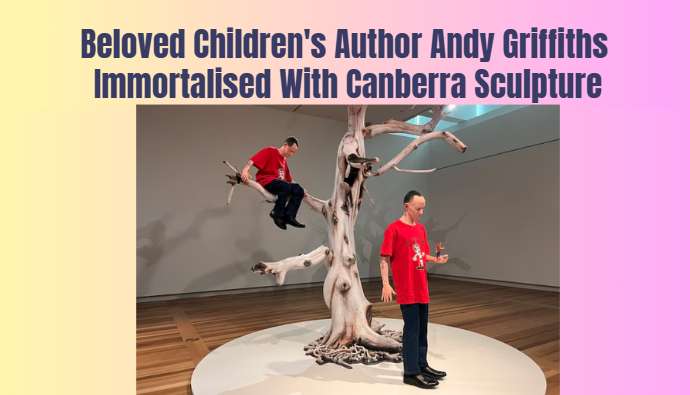
A four-metre-high 3D-printed sculpture celebrating Australian children's author Andy Griffiths has gone on display at Canberra's National Portrait Gallery.
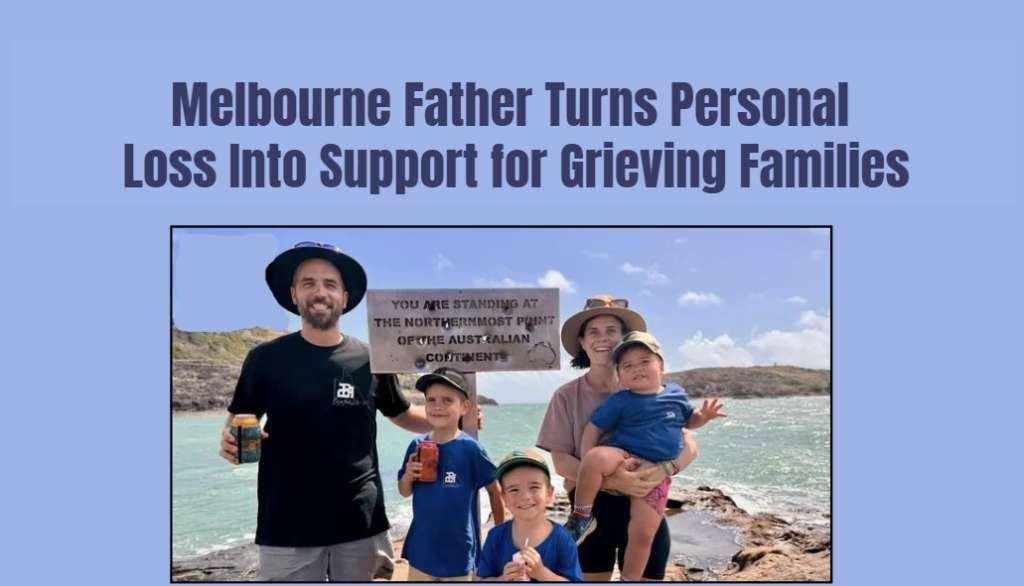
After losing two sons, Melbourne father Nick Olney has established a charity helping grieving parents preserve memories of their babies and access suppo...
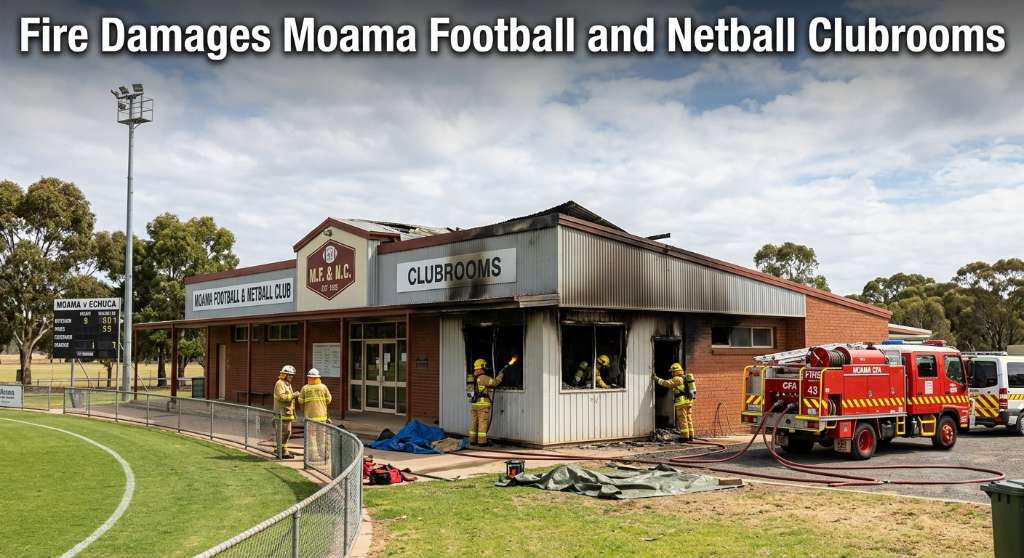
A fire damaged the Moama Football and Netball Club's social rooms during Saturday's grand final, forcing about 1,000 people to leave the building becaus...
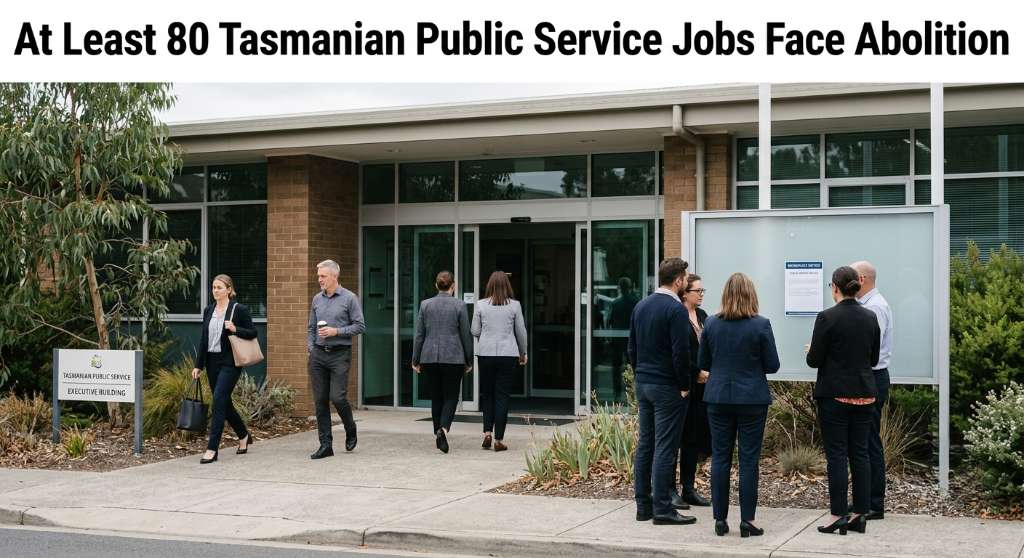
At least 80 positions have been identified for abolition as Tasmania restructures parts of its public service and works toward a broader reduction in go...
New evidence indicates autonomous Open AI agents attempted to access information from several Australian government and public-sector websites, expanding...
A four-metre-high 3D-printed sculpture celebrating Australian children's author Andy Griffiths has gone on display at Canberra's National Portrait Gallery.
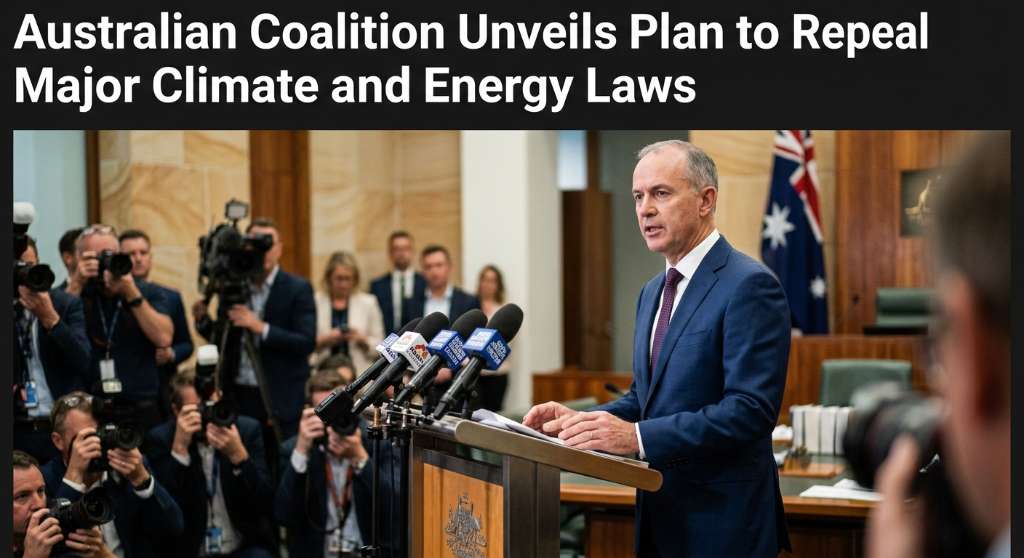
The federal Coalition has released an eight-point energy policy proposing changes to Australia's climate legislation, offshore wind zones, vehicle effic...
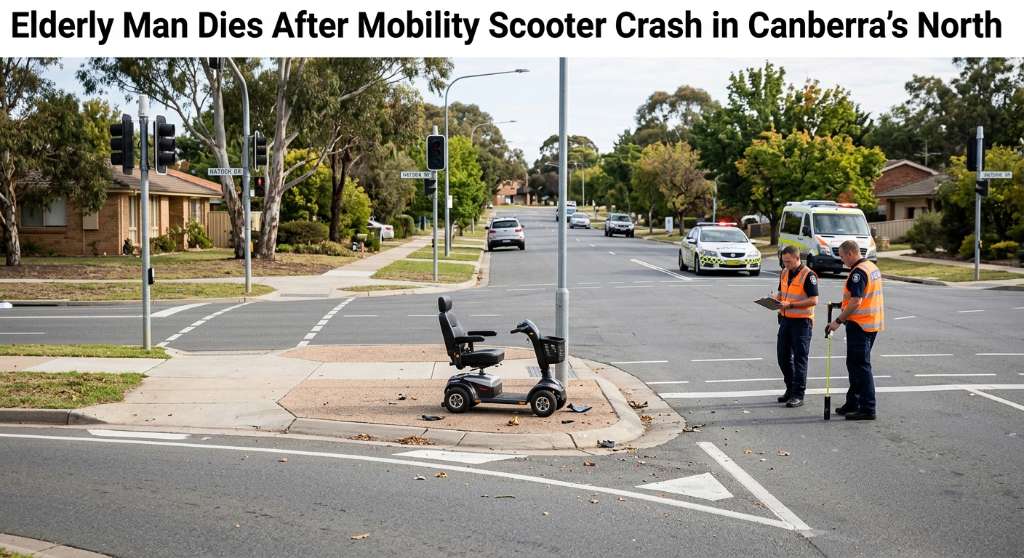
A 95-year-old man has died after a vehicle collided with his mobility scooter at an intersection in Bruce earlier this month, with investigators now exa...
A Sydney patient says he spent 23 hours waiting on a chair at Westmead Hospital's emergency department, while new figures show continuing pressure on th...
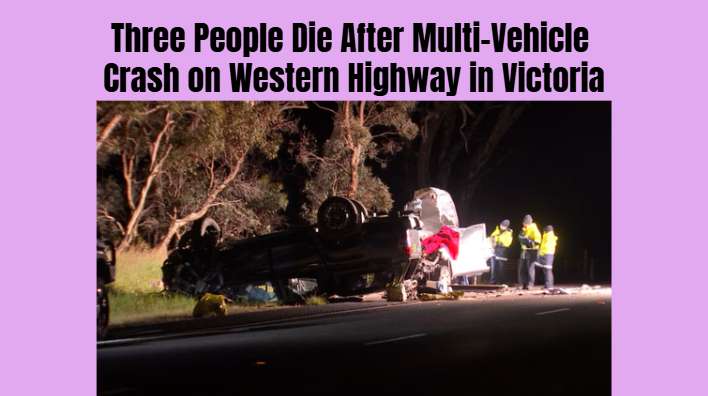
Three people, including a 14-year-old girl, have died following a multi-vehicle collision on the Western Highway near Ledcourt in Victoria's north-west.
A 50-year-old man has died after being struck by a vehicle in Fernvale, west of Brisbane, with police launching a homicide investigation and arresting a...
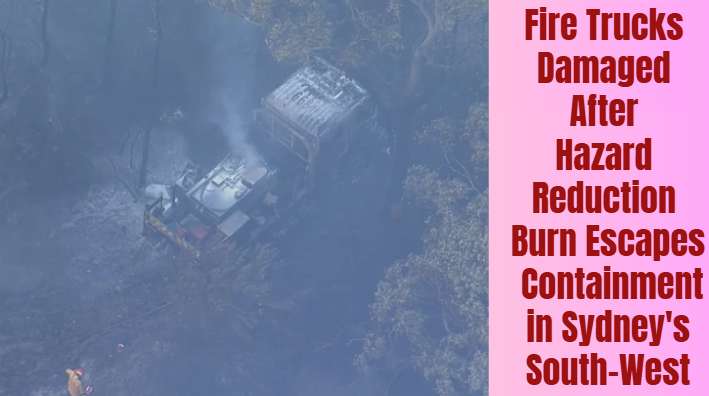
Multiple Rural Fire Service trucks were damaged after a planned hazard reduction burn at Wedderburn in Sydney's south-west escaped containment on Saturday.