Safety note: Admin approval is an initial review, not a guarantee that every detail is correct. Check important or urgent claims with official sources and report anything inaccurate or unsafe.
Source and credit: Contributor's own report
Retiree tricked into selling her home in real estate scam, Brisbane case reveals - Brisbane, Queensland
Smart summary
A Queensland retiree was allegedly conned into selling her home after being targeted by someone posing as a legitimate real estate agent, raising fresh warnings about property fraud and impersonation scams in Australia.
A shocking case in Queensland has highlighted the growing risk of property-related scams, after a retiree was allegedly deceived into selling her home to fraudsters posing as a legitimate real estate agent.
The case, reported by Brisbane Times, outlines how the elderly homeowner became the target of a sophisticated impersonation scheme in which scammers convinced her they were genuine property professionals. Using trusted branding tactics and false identities, they allegedly persuaded her to proceed with the sale of her home under misleading circumstances. (brisbanetimes.com.au)
Authorities say the scam reflects a broader trend in Australia’s property sector, where criminals increasingly exploit email, identity impersonation, and urgency tactics to manipulate victims into transferring property or funds. These schemes often involve criminals posing as agents, solicitors, or conveyancers and creating convincing documents or communication channels.
In similar cases across Australia, scammers have either hijacked email accounts or created near-identical fake email addresses to intercept communications during property transactions. Victims are often elderly or vulnerable homeowners who may be less familiar with digital fraud tactics or online verification procedures.
Once trust is established, scammers typically pressure victims into quick decisions—such as signing documents, transferring ownership, or authorising financial changes—before they have time to verify legitimacy. In many cases, victims only realise the fraud after the sale has been completed or funds have disappeared.
Consumer protection experts warn that property scams are becoming increasingly sophisticated due to advancements in digital tools, including AI-generated emails and cloned identities. The Australian Competition and Consumer Commission (ACCC) has repeatedly warned that the property sector remains one of the most heavily targeted industries for high-value fraud.
Recent national data shows Australians have lost tens of millions of dollars annually to property-related scams, with losses increasing as criminals refine their techniques. Common red flags include last-minute changes to payment instructions, pressure to act urgently, and communication that bypasses standard legal or conveyancing channels.
In response, regulators and real estate bodies continue to urge buyers and sellers to verify all instructions independently, particularly when transferring money or signing property documents. Experts recommend confirming details directly by phone using known contact numbers rather than relying on email alone.
Legal and industry groups also stress the importance of multi-step verification processes during transactions, including identity checks for agents, solicitors, and conveyancers involved in the sale.
The Queensland case serves as a warning that even traditional transactions such as home sales are now vulnerable to highly organised scams, and that trust in professional titles alone is no longer enough protection.
Investigations into the specific circumstances of the retiree’s case are ongoing, with authorities continuing to examine how the impersonation was carried out and whether others were involved.
PropertyCaseEmailHomeScams
A shocking case in Queensland has highlighted the growing risk of property-related scams, after a retiree was allegedly deceived into selling her home to fraudsters posing as a legitimate real estate agent.
The case, reported by Brisbane Times, outlines how the elderly homeowner became the target of a sophisticated impersonation scheme in which scammers convinced her they were genuine property professionals. Using trusted branding tactics and false identities, they allegedly persuaded her to proceed with the sale of her home under misleading circumstances. (brisbanetimes.com.au)
Authorities say the scam reflects a broader trend in Australia’s property sector, where criminals increasingly exploit email, identity impersonation, and urgency tactics to manipulate victims into transferring property or funds. These schemes often involve criminals posing as agents, solicitors, or conveyancers and creating convincing documents or communication channels.
In similar cases across Australia, scammers have either hijacked email accounts or created near-identical fake email addresses to intercept communications during property transactions. Victims are often elderly or vulnerable homeowners who may be less familiar with digital fraud tactics or online verification procedures.
Once trust is established, scammers typically pressure victims into quick decisions—such as signing documents, transferring ownership, or authorising financial changes—before they have time to verify legitimacy. In many cases, victims only realise the fraud after the sale has been completed or funds have disappeared.
Consumer protection experts warn that property scams are becoming increasingly sophisticated due to advancements in digital tools, including AI-generated emails and cloned identities. The Australian Competition and Consumer Commission (ACCC) has repeatedly warned that the property sector remains one of the most heavily targeted industries for high-value fraud.
Recent national data shows Australians have lost tens of millions of dollars annually to property-related scams, with losses increasing as criminals refine their techniques. Common red flags include last-minute changes to payment instructions, pressure to act urgently, and communication that bypasses standard legal or conveyancing channels.
In response, regulators and real estate bodies continue to urge buyers and sellers to verify all instructions independently, particularly when transferring money or signing property documents. Experts recommend confirming details directly by phone using known contact numbers rather than relying on email alone.
Legal and industry groups also stress the importance of multi-step verification processes during transactions, including identity checks for agents, solicitors, and conveyancers involved in the sale.
The Queensland case serves as a warning that even traditional transactions such as home sales are now vulnerable to highly organised scams, and that trust in professional titles alone is no longer enough protection.
Investigations into the specific circumstances of the retiree’s case are ongoing, with authorities continuing to examine how the impersonation was carried out and whether others were involved.
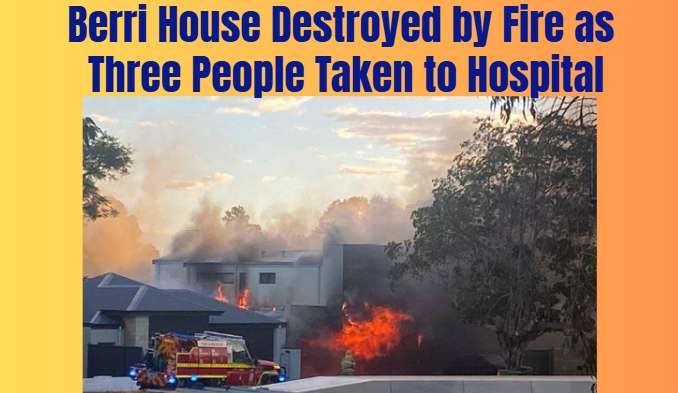
A house in Berri, South Australia, was destroyed by fire on Sunday morning, with three people taken to hospital as a precaution after escaping the burni...
A 43-year-old man has been charged following a fire at a funeral home in Warragul, Victoria, on Wednesday evening, 23 September 2026. Police allege the man walked along Howitt S...
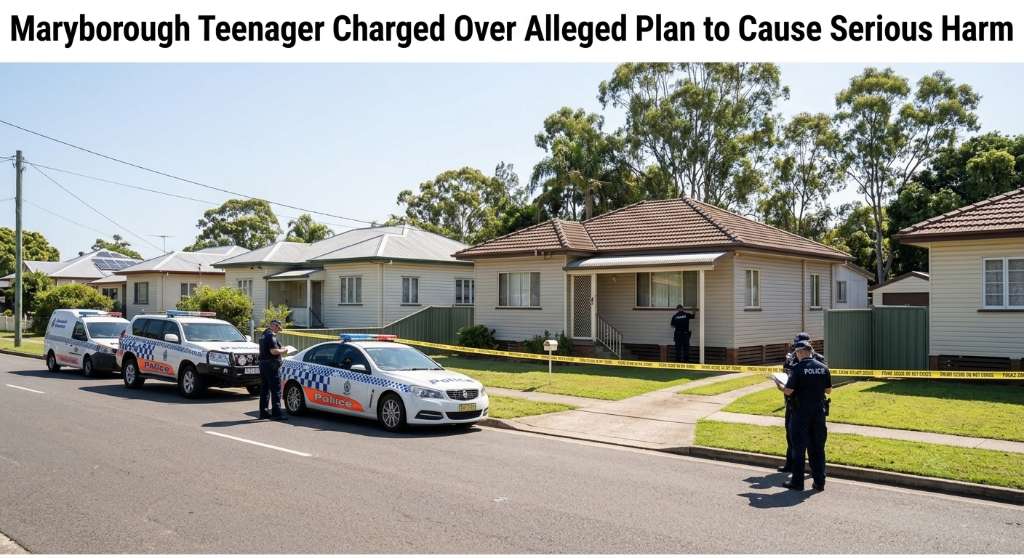
A 14-year-old boy from Maryborough has been charged after Queensland police alleged he was preparing to cause death or grievous bodily harm and possesse...
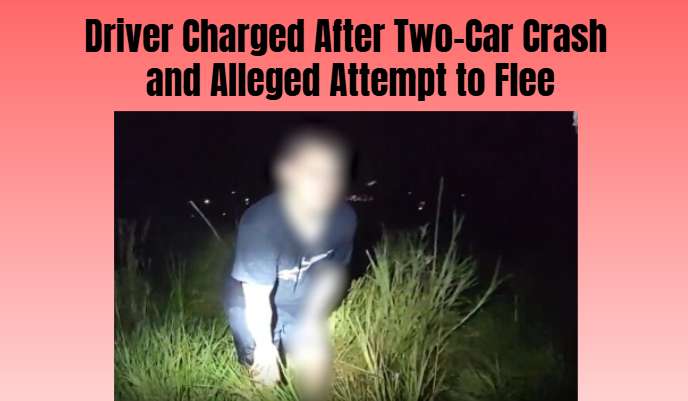
A 22-year-old Elimbah man has been charged after a two-car crash at Baringa on the Sunshine Coast, with police alleging he fled into nearby bushland bef...
A 34-year-old man has been charged after police allege a worker was threatened with a knife during an overnight robbery at a fast-food restaurant in Spr...
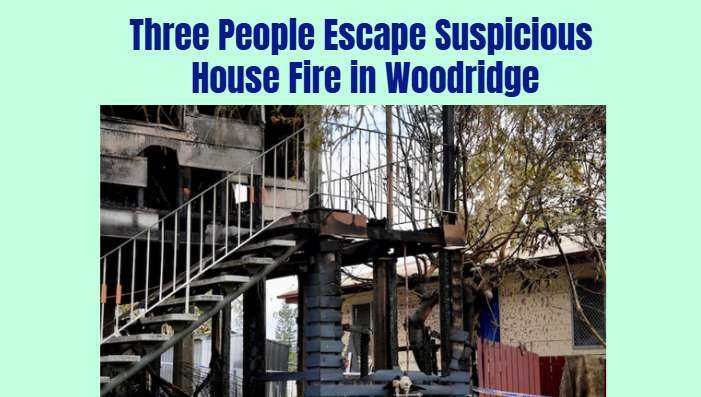
A two-storey home in Woodridge, south of Brisbane, has been extensively damaged by fire, with police declaring a crime scene after three people escaped...
A 22-year-old Elimbah man has been charged after a two-car crash at Baringa on the Sunshine Coast, with police alleging he fled into nearby bushland bef...
A new proposal for factory-built ecohomes in Orange aims to speed up construction while reducing household energy costs as local property prices remain...
Geelong's historic Botanic Gardens are preparing for their 175th anniversary, with volunteers and horticultural staff working to preserve a living colle...