Safety note: Admin approval is an initial review, not a guarantee that every detail is correct. Check important or urgent claims with official sources and report anything inaccurate or unsafe.
Source and credit: Contributor's own report
Robotic surgery funding announced in NSW Budget - Orange, NSW
Smart summary
The NSW Government has committed funding for advanced robotic surgery technology in regional hospitals, aiming to improve access to specialist procedures and reduce the need for patients to travel to metropolitan cent...
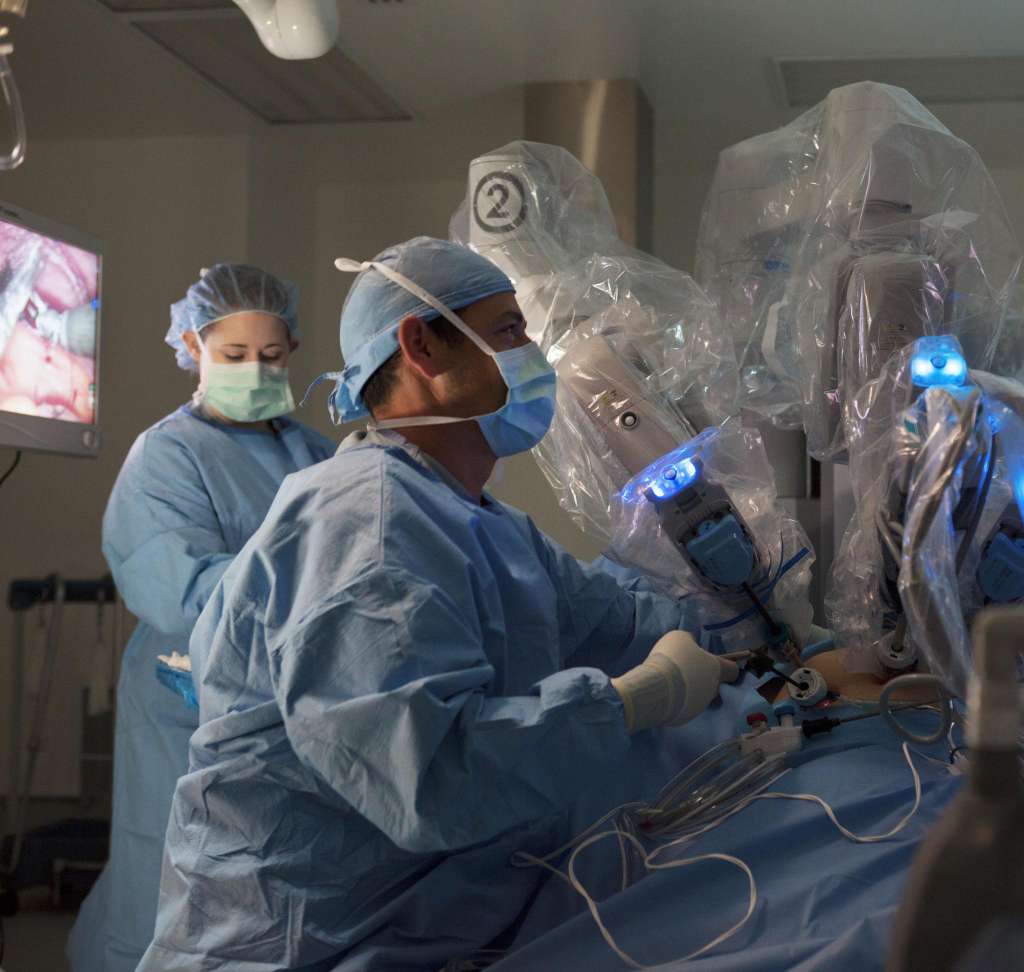
Regional healthcare services are set to receive a significant technological boost after the NSW Government announced funding for robotic-assisted surgery as part of the 2026-27 State Budget. The investment is designed to expand access to advanced surgical procedures for patients living outside major metropolitan areas and strengthen healthcare capacity across regional New South Wales.
One of the major beneficiaries is the Orange Health Service, where the introduction of robotic surgery technology is expected to commence following years of advocacy from local health leaders and community representatives. Regional MP Phil Donato said funding for the project was secured following discussions with NSW Health Minister Ryan Park and healthcare professionals about the needs of regional patients.
Robotic-assisted surgery is widely regarded as a major advancement in modern medicine. The technology allows surgeons to perform highly complex procedures with greater precision through robotic instruments controlled by specialist medical teams. Benefits can include smaller incisions, reduced blood loss, less post-operative pain, shorter hospital stays, and faster recovery times for patients.
For regional communities, the introduction of robotic surgery represents more than a technological upgrade. Patients who previously needed to travel long distances to Sydney or other major centres for specialist procedures may increasingly be able to access treatment closer to home. This can reduce travel costs, minimise disruption to families, and improve healthcare accessibility for people living in country areas.
The announcement forms part of a broader health package contained within the NSW Budget. The state government has allocated record health funding over the coming years, including investments in hospital infrastructure, workforce expansion, additional health staff, and increased hospital capacity. Health services remain one of the largest areas of expenditure in the budget as demand for healthcare continues to grow across NSW.
Supporters of the robotic surgery initiative argue that regional hospitals should have access to the same modern medical technologies available in major cities. They believe the investment will help attract highly skilled surgeons and medical specialists to regional centres while improving treatment outcomes for local patients.
However, some healthcare organisations have noted that advanced technology must be supported by adequate staffing, training, and ongoing operational funding to ensure long-term success. Medical groups have also called for continued investment in frontline healthcare services alongside new technology initiatives.
The funding announcement is being viewed as a significant step toward reducing healthcare disparities between metropolitan and regional communities. By bringing world-class surgical capabilities closer to regional patients, the NSW Government hopes to improve healthcare access, strengthen regional hospitals, and enhance patient outcomes across the state.
RegionalHealthcareHealthFundingPatients
Regional healthcare services are set to receive a significant technological boost after the NSW Government announced funding for robotic-assisted surgery as part of the 2026-27 State Budget. The investment is designed to expand access to advanced surgical procedures for patients living outside major metropolitan areas and strengthen healthcare capacity across regional New South Wales.
One of the major beneficiaries is the Orange Health Service, where the introduction of robotic surgery technology is expected to commence following years of advocacy from local health leaders and community representatives. Regional MP Phil Donato said funding for the project was secured following discussions with NSW Health Minister Ryan Park and healthcare professionals about the needs of regional patients.
Robotic-assisted surgery is widely regarded as a major advancement in modern medicine. The technology allows surgeons to perform highly complex procedures with greater precision through robotic instruments controlled by specialist medical teams. Benefits can include smaller incisions, reduced blood loss, less post-operative pain, shorter hospital stays, and faster recovery times for patients.
For regional communities, the introduction of robotic surgery represents more than a technological upgrade. Patients who previously needed to travel long distances to Sydney or other major centres for specialist procedures may increasingly be able to access treatment closer to home. This can reduce travel costs, minimise disruption to families, and improve healthcare accessibility for people living in country areas.
The announcement forms part of a broader health package contained within the NSW Budget. The state government has allocated record health funding over the coming years, including investments in hospital infrastructure, workforce expansion, additional health staff, and increased hospital capacity. Health services remain one of the largest areas of expenditure in the budget as demand for healthcare continues to grow across NSW.
Supporters of the robotic surgery initiative argue that regional hospitals should have access to the same modern medical technologies available in major cities. They believe the investment will help attract highly skilled surgeons and medical specialists to regional centres while improving treatment outcomes for local patients.
However, some healthcare organisations have noted that advanced technology must be supported by adequate staffing, training, and ongoing operational funding to ensure long-term success. Medical groups have also called for continued investment in frontline healthcare services alongside new technology initiatives.
The funding announcement is being viewed as a significant step toward reducing healthcare disparities between metropolitan and regional communities. By bringing world-class surgical capabilities closer to regional patients, the NSW Government hopes to improve healthcare access, strengthen regional hospitals, and enhance patient outcomes across the state.
A four-metre-high 3D-printed sculpture celebrating Australian children's author Andy Griffiths has gone on display at Canberra's National Portrait Gallery.
After losing two sons, Melbourne father Nick Olney has established a charity helping grieving parents preserve memories of their babies and access suppo...
A fire damaged the Moama Football and Netball Club's social rooms during Saturday's grand final, forcing about 1,000 people to leave the building becaus...
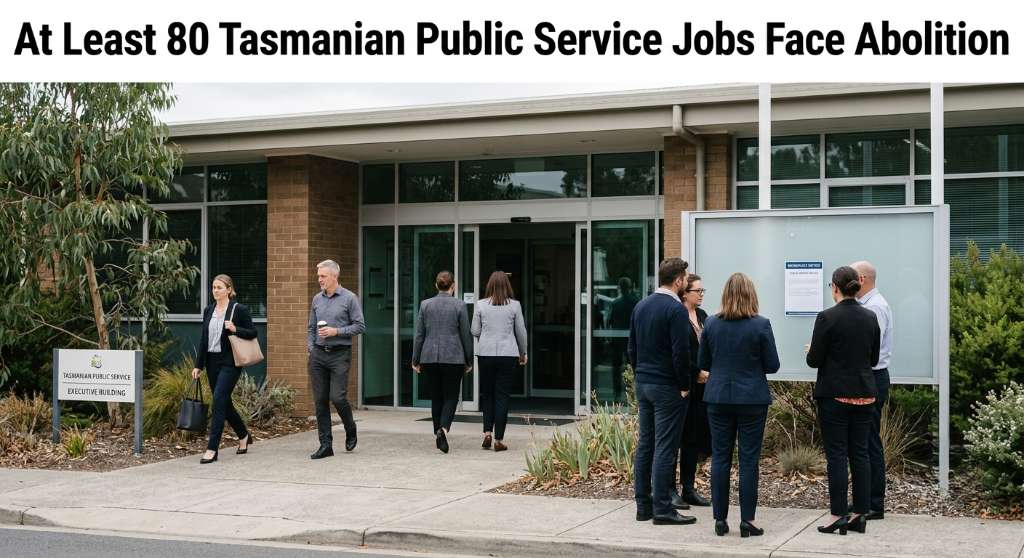
At least 80 positions have been identified for abolition as Tasmania restructures parts of its public service and works toward a broader reduction in go...
Multiple Rural Fire Service trucks were damaged after a planned hazard reduction burn at Wedderburn in Sydney's south-west escaped containment on Saturday.
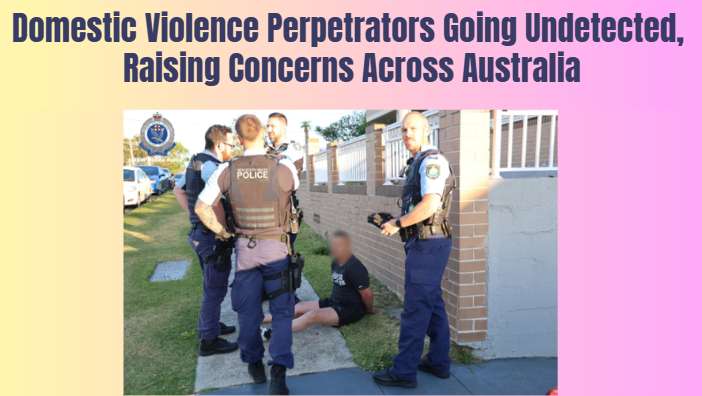
Recent domestic violence-related deaths in New South Wales have highlighted concerns about gaps in identifying alleged perpetrators before serious viole...
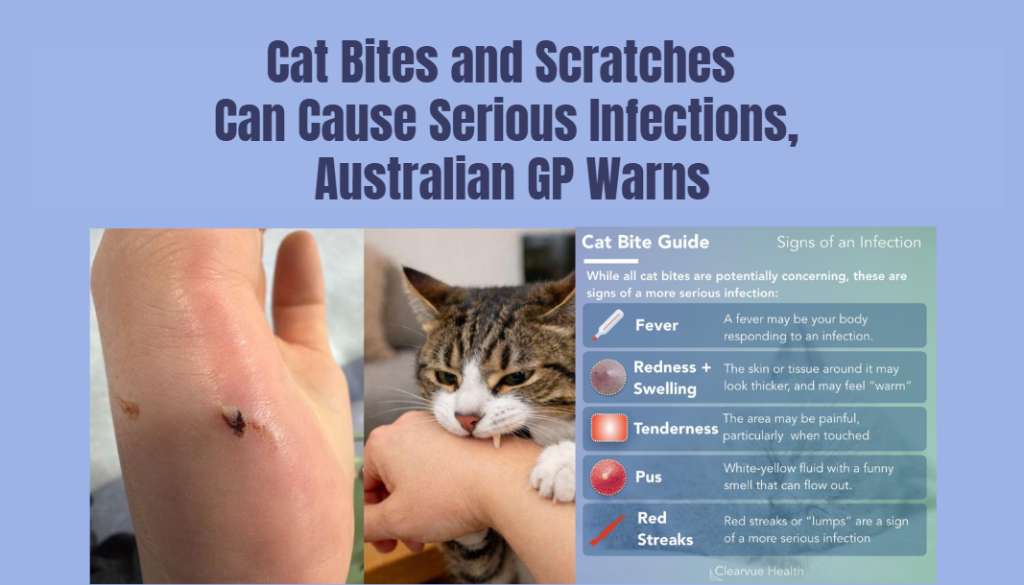
Australian health experts are warning that cat bites and scratches can cause severe infections, with hospitalisations from cat-related injuries nearly t...
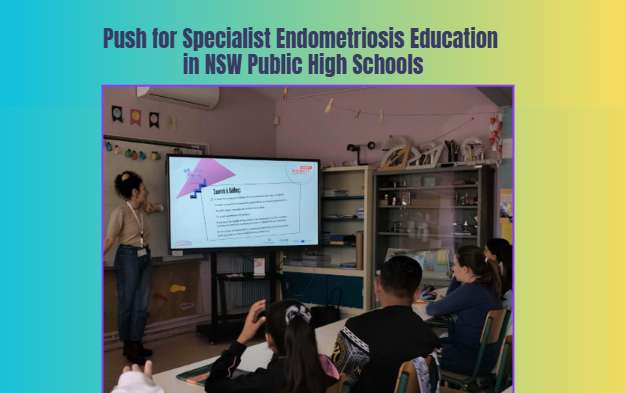
A parliamentary petition calling for specialist endometriosis education in NSW public high schools has attracted more than 1,700 signatures, as health a...
A 50-year-old man has died after being struck by a vehicle in Fernvale, west of Brisbane, with police launching a homicide investigation and arresting a...
Multiple Rural Fire Service trucks were damaged after a planned hazard reduction burn at Wedderburn in Sydney's south-west escaped containment on Saturday.
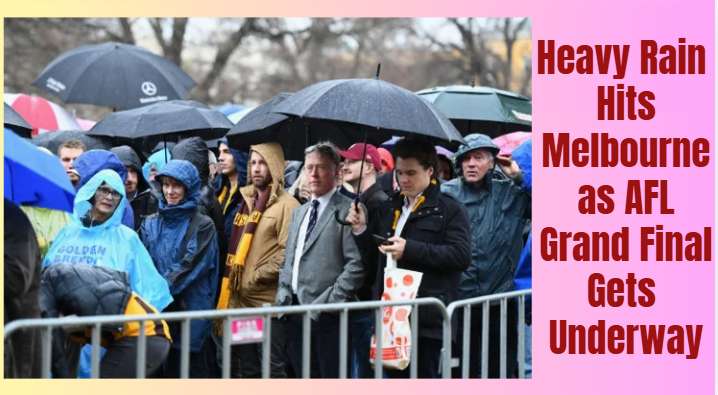
Wet conditions at the Melbourne Cricket Ground are creating difficult conditions for the AFL Grand Final, while poor weather has also disrupted flights...
Amateur astronomers are using new telescope technology to photograph the Moon, planets and distant galaxies from Brisbane homes, showing that city skies...