Safety note: Admin approval is an initial review, not a guarantee that every detail is correct. Check important or urgent claims with official sources and report anything inaccurate or unsafe.
Source and credit: Contributor's own report
Seeing Eye Dogs help Central West residents regain confidence and independence - Bathurst, NSW
Smart summary
People living with vision impairment across Central West NSW are rebuilding their confidence and independence with the support of Seeing Eye Dogs, whose highly trained guide dogs provide safe mobility and greater free...
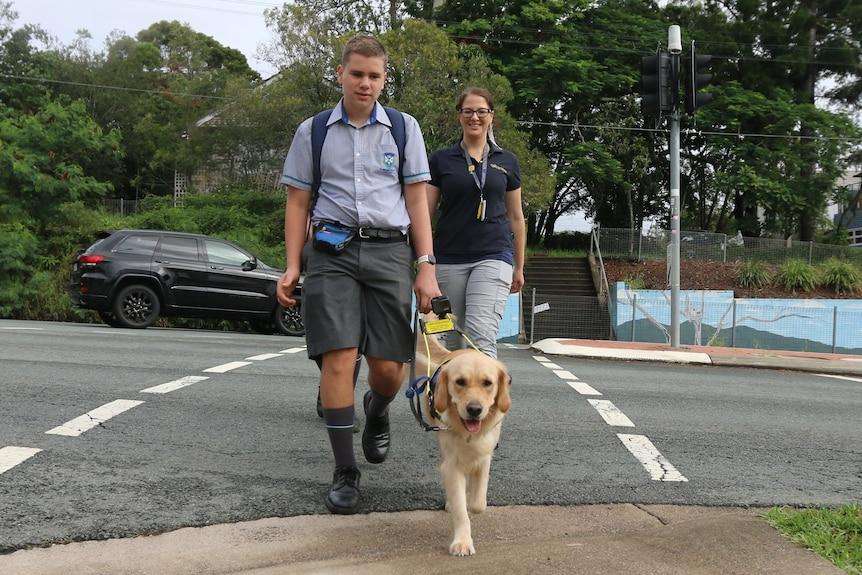
For many Australians living with blindness or low vision, losing the ability to travel independently can have a profound impact on daily life. Across Central West New South Wales, trained guide dogs are helping people regain confidence, reconnect with their communities and enjoy greater independence.
The feature highlights how Seeing Eye Dogs, which trains and matches guide dogs with people who have vision impairment, is transforming lives by providing not only practical mobility assistance but also companionship and emotional support. A guide dog enables its handler to navigate busy streets, avoid obstacles, locate crossings and travel more confidently through public spaces, reducing reliance on family members or carers.
Recipients describe receiving a guide dog as life-changing. Many explain that before being matched with a dog they often felt anxious about travelling alone or participating in community activities. After completing specialist training with their guide dog, they have been able to return to work, attend appointments independently, shop with greater confidence and enjoy social outings that were previously difficult or intimidating.
Training a guide dog is an extensive process that begins when puppies are raised by volunteer carers before entering professional training. Dogs are carefully assessed for temperament, intelligence and suitability before being matched with an individual whose lifestyle and mobility needs align with the dog's abilities. Once matched, both handler and dog undergo intensive training together to develop communication, trust and teamwork.
Beyond helping people avoid physical obstacles, guide dogs provide psychological benefits by restoring confidence and encouraging greater participation in community life. Handlers often report improved wellbeing, reduced isolation and increased willingness to explore unfamiliar places knowing they have a reliable mobility partner beside them.
The story also recognises the important contribution made by volunteer puppy raisers, trainers and donors who make guide dog programs possible. Raising and preparing a guide dog requires significant time, expertise and financial support before the animal begins working with its permanent handler.
Although guide dogs are highly skilled, organisations continue to remind the public that working dogs should not be distracted while wearing their harness. Petting, feeding or calling to a guide dog while it is working can interrupt its concentration and potentially place its handler at risk.
Demand for guide dogs remains strong across regional Australia, where access to transport and support services can be more limited than in metropolitan areas. For many people living in regional communities, a guide dog offers greater independence by making everyday travel safer and more manageable.
The experiences shared by Central West residents demonstrate that guide dogs are far more than mobility aids. They represent renewed confidence, freedom and the ability to participate more fully in work, education and community life. Through the partnership between handler and dog, many people are able to regain a level of independence that they once believed had been lost.
GuideDogsConfidenceHandlerPeople
For many Australians living with blindness or low vision, losing the ability to travel independently can have a profound impact on daily life. Across Central West New South Wales, trained guide dogs are helping people regain confidence, reconnect with their communities and enjoy greater independence.
The feature highlights how Seeing Eye Dogs, which trains and matches guide dogs with people who have vision impairment, is transforming lives by providing not only practical mobility assistance but also companionship and emotional support. A guide dog enables its handler to navigate busy streets, avoid obstacles, locate crossings and travel more confidently through public spaces, reducing reliance on family members or carers.
Recipients describe receiving a guide dog as life-changing. Many explain that before being matched with a dog they often felt anxious about travelling alone or participating in community activities. After completing specialist training with their guide dog, they have been able to return to work, attend appointments independently, shop with greater confidence and enjoy social outings that were previously difficult or intimidating.
Training a guide dog is an extensive process that begins when puppies are raised by volunteer carers before entering professional training. Dogs are carefully assessed for temperament, intelligence and suitability before being matched with an individual whose lifestyle and mobility needs align with the dog's abilities. Once matched, both handler and dog undergo intensive training together to develop communication, trust and teamwork.
Beyond helping people avoid physical obstacles, guide dogs provide psychological benefits by restoring confidence and encouraging greater participation in community life. Handlers often report improved wellbeing, reduced isolation and increased willingness to explore unfamiliar places knowing they have a reliable mobility partner beside them.
The story also recognises the important contribution made by volunteer puppy raisers, trainers and donors who make guide dog programs possible. Raising and preparing a guide dog requires significant time, expertise and financial support before the animal begins working with its permanent handler.
Although guide dogs are highly skilled, organisations continue to remind the public that working dogs should not be distracted while wearing their harness. Petting, feeding or calling to a guide dog while it is working can interrupt its concentration and potentially place its handler at risk.
Demand for guide dogs remains strong across regional Australia, where access to transport and support services can be more limited than in metropolitan areas. For many people living in regional communities, a guide dog offers greater independence by making everyday travel safer and more manageable.
The experiences shared by Central West residents demonstrate that guide dogs are far more than mobility aids. They represent renewed confidence, freedom and the ability to participate more fully in work, education and community life. Through the partnership between handler and dog, many people are able to regain a level of independence that they once believed had been lost.
Tasmanian homeowners and businesses are facing higher borrowing costs after the Reserve Bank lifted the cash rate to 4.6 per cent, with lower average wa...
The ACT will begin the first phase of the Thriving Kids program on October 1, providing developmental support pathways for children while concerns remai...
Geelong's historic Botanic Gardens are preparing for their 175th anniversary, with volunteers and horticultural staff working to preserve a living colle...
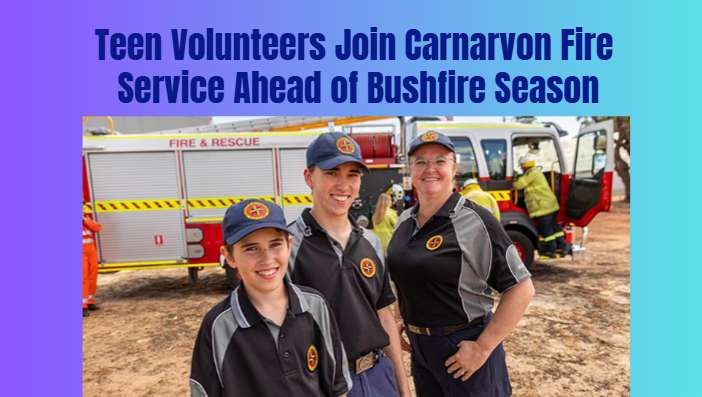
Three high-school students have joined the Carnarvon Volunteer Fire and Rescue Service as the regional organisation works to strengthen its volunteer nu...
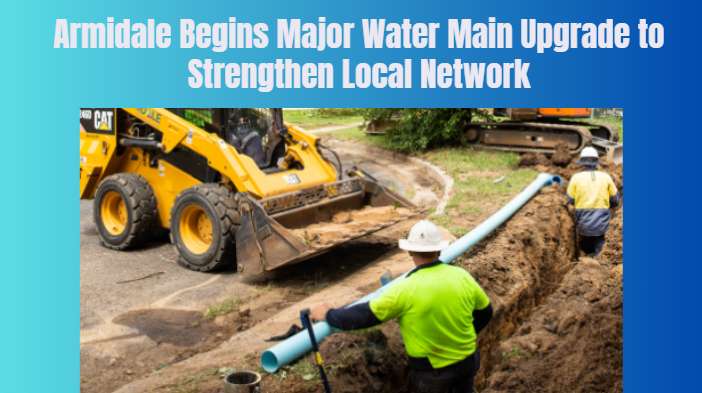
Armidale Regional Council will replace an ageing cast-iron water main in Ampol and Miller Streets with a modern system, with construction scheduled to b...
Sydney Chinatown institution Emperor’s Garden has reached an agreement to repay more than $1 million in tax debt, with discussions now underway about re...
Authorities have crushed 23 confiscated electric bikes in Blacktown under new laws targeting non-compliant e-bikes, following a joint enforcement operat...
Thousands of Victorian doctors and allied health professionals have begun industrial action over stalled negotiations on pay and working conditions, wit...