Safety note: Admin approval is an initial review, not a guarantee that every detail is correct. Check important or urgent claims with official sources and report anything inaccurate or unsafe.
Source and credit: Contributor's own report
Single Employer GP model delivers early success across Eyre Peninsula - Port Lincoln, SA
Smart summary
A new employment model for rural doctors is showing encouraging results on the Eyre Peninsula, with GP trainees receiving stable employment while helping improve access to healthcare in regional South Australia.
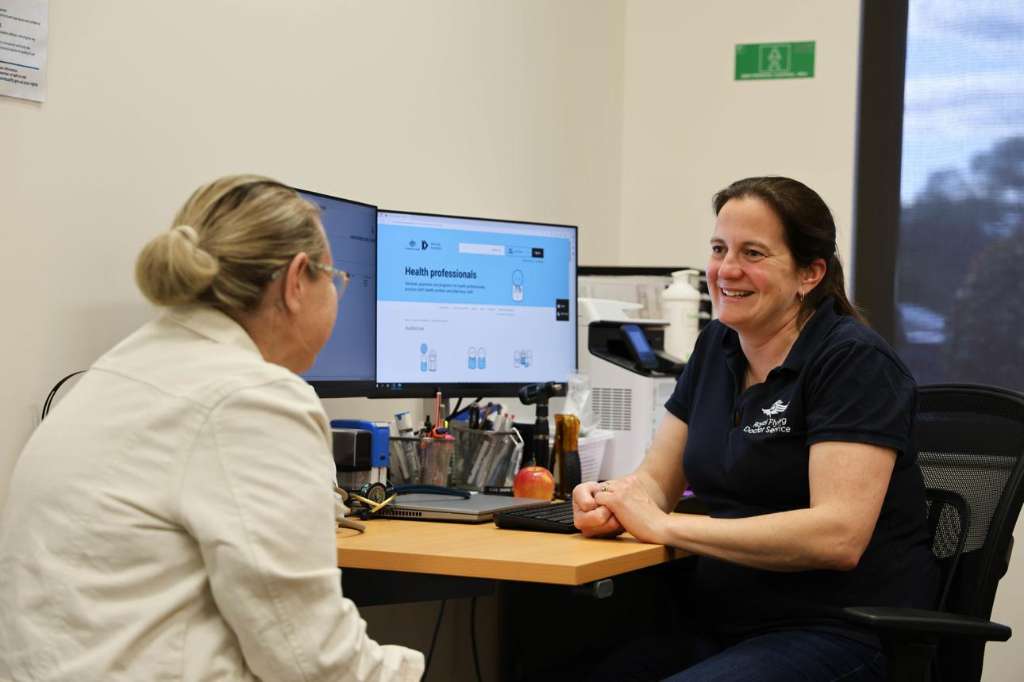
A new approach to recruiting and retaining rural doctors is delivering promising early results across South Australia's Eyre Peninsula, with the Single Employer Model (SEM) helping attract and support the next generation of general practitioners.
The initiative allows GP trainees to remain employed by a single health service while rotating through hospitals and general practices during their training. This provides greater job security, consistent employment conditions and improved access to professional development, addressing some of the long-standing barriers that have made rural medical careers less attractive.
The program is currently operating through the Eyre and Far North Local Health Network (EFNLHN), where two rural generalist GP trainees are undertaking placements across hospitals and community medical clinics. Under the model, trainees receive one employer throughout their training rather than moving between multiple contracts as they rotate between healthcare settings.
Health leaders say the arrangement benefits both doctors and patients. For trainees, it provides financial certainty, leave entitlements and continuity of employment while exposing them to a broad range of rural healthcare experiences. For regional communities, it helps strengthen the local medical workforce and improves continuity of care.
Recruiting and retaining GPs has been a persistent challenge across regional South Australia, with many country towns experiencing doctor shortages that increase waiting times and place additional pressure on hospitals. Programs such as the Single Employer Model aim to encourage more doctors to establish long-term careers in rural communities rather than relocating to metropolitan areas.
The trainees participating in the program gain experience across emergency medicine, hospital care, chronic disease management and community-based general practice. This broad clinical exposure is designed to prepare them for the diverse responsibilities often required of rural general practitioners, who frequently provide care across multiple healthcare settings.
Health authorities believe the model could become an important part of the state's long-term rural workforce strategy if early success continues. Stable employment arrangements are expected to improve trainee satisfaction and increase the likelihood that doctors remain in regional communities after completing their qualifications.
Local communities also benefit from stronger relationships between patients and healthcare providers, as trainees spend longer periods within the same region instead of moving frequently between employers and training locations.
The program reflects broader efforts across Australia to improve access to healthcare in regional and remote areas, where workforce shortages remain one of the biggest challenges facing the health system.
With encouraging early outcomes reported, health officials will continue monitoring the program as they consider expanding similar employment models to other regional areas across South Australia.
AcrossRuralHealthTraineesHealthcare
A new approach to recruiting and retaining rural doctors is delivering promising early results across South Australia's Eyre Peninsula, with the Single Employer Model (SEM) helping attract and support the next generation of general practitioners.
The initiative allows GP trainees to remain employed by a single health service while rotating through hospitals and general practices during their training. This provides greater job security, consistent employment conditions and improved access to professional development, addressing some of the long-standing barriers that have made rural medical careers less attractive.
The program is currently operating through the Eyre and Far North Local Health Network (EFNLHN), where two rural generalist GP trainees are undertaking placements across hospitals and community medical clinics. Under the model, trainees receive one employer throughout their training rather than moving between multiple contracts as they rotate between healthcare settings.
Health leaders say the arrangement benefits both doctors and patients. For trainees, it provides financial certainty, leave entitlements and continuity of employment while exposing them to a broad range of rural healthcare experiences. For regional communities, it helps strengthen the local medical workforce and improves continuity of care.
Recruiting and retaining GPs has been a persistent challenge across regional South Australia, with many country towns experiencing doctor shortages that increase waiting times and place additional pressure on hospitals. Programs such as the Single Employer Model aim to encourage more doctors to establish long-term careers in rural communities rather than relocating to metropolitan areas.
The trainees participating in the program gain experience across emergency medicine, hospital care, chronic disease management and community-based general practice. This broad clinical exposure is designed to prepare them for the diverse responsibilities often required of rural general practitioners, who frequently provide care across multiple healthcare settings.
Health authorities believe the model could become an important part of the state's long-term rural workforce strategy if early success continues. Stable employment arrangements are expected to improve trainee satisfaction and increase the likelihood that doctors remain in regional communities after completing their qualifications.
Local communities also benefit from stronger relationships between patients and healthcare providers, as trainees spend longer periods within the same region instead of moving frequently between employers and training locations.
The program reflects broader efforts across Australia to improve access to healthcare in regional and remote areas, where workforce shortages remain one of the biggest challenges facing the health system.
With encouraging early outcomes reported, health officials will continue monitoring the program as they consider expanding similar employment models to other regional areas across South Australia.
A new proposal for factory-built ecohomes in Orange aims to speed up construction while reducing household energy costs as local property prices remain...
A Japanese love of Tasmanian buckwheat and fresh soba noodles helped create a lasting cultural connection that is now celebrated through the annual Hana...
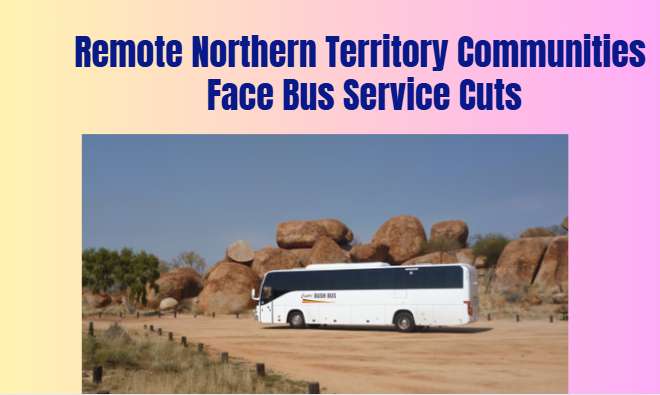
Essential bus services connecting Alice Springs with five remote communities have been reduced, with the operator warning that some routes could be canc...
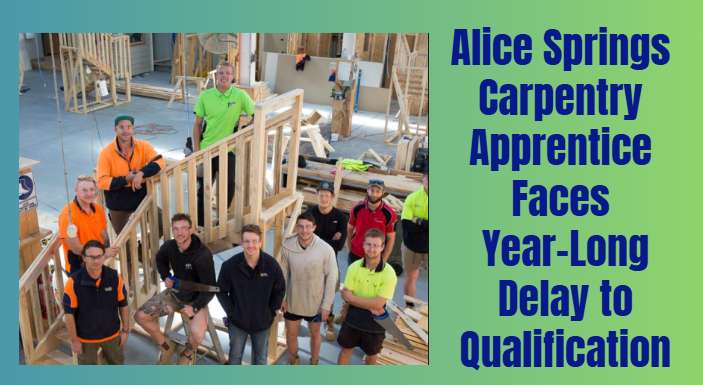
A carpentry apprentice in Alice Springs says course cancellations at Charles Darwin University could delay his qualification by up to 12 months because...
A major developer has ended its involvement in the Eyre residential development in Adelaide's north, leaving South Australia's Renewal SA to take respon...
A South Australian soccer player with two broken bones in his lower leg travelled about 70 kilometres by private car after waiting at a regional hospita...
Two 14-year-old boys have been arrested and charged after police allege they were caught trying to enter a property at Noarlunga Downs in Adelaide's sou...
South Australian health authorities are contacting people who may have been exposed to measles after a confirmed case spent more than 24 hours across ar...
A 22-year-old Elimbah man has been charged after a two-car crash at Baringa on the Sunshine Coast, with police alleging he fled into nearby bushland bef...
A new proposal for factory-built ecohomes in Orange aims to speed up construction while reducing household energy costs as local property prices remain...
Geelong's historic Botanic Gardens are preparing for their 175th anniversary, with volunteers and horticultural staff working to preserve a living colle...