Safety note: Admin approval is an initial review, not a guarantee that every detail is correct. Check important or urgent claims with official sources and report anything inaccurate or unsafe.
Source and credit: Contributor's own report
Snowy Mountains await forecast snowfall ahead of NSW school holidays - Wagga Wagga, NSW
Smart summary
After one of the weakest starts to a ski season in years, businesses and snow enthusiasts in the NSW Snowy Mountains are hoping a forecast cold front later this week will bring much-needed snowfall before the school h...
Businesses, skiers and snowboarders across the NSW Snowy Mountains are anxiously watching weather forecasts as a cold front expected later this week could deliver the snowfall needed to revive a disappointing start to the 2026 ski season.
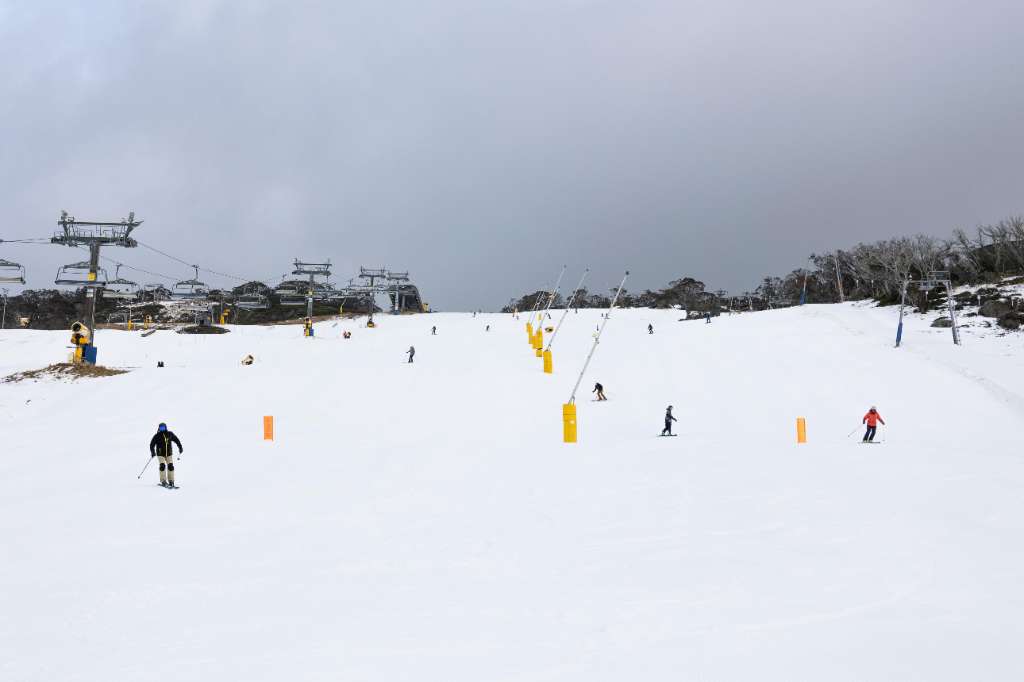
Warm temperatures and persistent rain have severely limited natural snowfall since the official opening of the season on June 6, while also reducing opportunities for snow-making at major resorts including Perisher and Thredbo. The lack of consistent cold weather has left many slopes with only patchy snow cover, raising concerns for businesses that rely heavily on winter tourism.
According to snow forecaster Peter Taylor from Snowatch, the opening weeks of the season have been among the poorest he has experienced. Snow measurements at Spencers Creek, one of Australia's key alpine monitoring sites, recorded only about 14 centimetres of snow before it melted away due to above-average temperatures. Taylor described the current conditions as potentially the weakest start to a snow season on record.
Despite the slow beginning, there is renewed optimism. Forecasts indicate temperatures will drop significantly from Thursday night, bringing the possibility of snow across higher elevations through Friday and into Saturday morning. The Bureau of Meteorology predicts that as much as 10 centimetres of snow could fall above elevations of approximately 1,200 metres, improving skiing conditions ahead of one of the busiest periods of the winter tourism season.
Local businesses in alpine towns such as Jindabyne are hoping the forecast snow arrives in time for the New South Wales school holidays, which begin this weekend. While Victoria's school holidays are already underway, NSW holidaymakers traditionally provide a major boost to accommodation providers, ski hire businesses, restaurants and tourism operators throughout July.
Michelle Lindsay, owner of Alpine Sports Jindabyne, said visitor numbers have remained steady with beginner skiers still enjoying available slopes, but many tourists are waiting for better snow conditions before booking trips. She said the entire community is eager for a substantial snowfall because even a modest improvement can dramatically increase visitor numbers and economic activity.
Meteorologists caution that snow forecasting remains challenging because temperatures must fall sufficiently before precipitation arrives. If moisture reaches the mountains while temperatures remain too warm, rain can fall instead of snow, limiting improvements to ski conditions. However, current forecasts suggest colder air should arrive in time to support both natural snowfall and expanded snow-making operations.
Following the expected weather system, forecasters anticipate clearer skies and colder overnight temperatures during the following week. These conditions would be ideal for resort operators to produce artificial snow, helping strengthen the snow base across major ski fields and extend the season.
Tourism operators remain optimistic that a successful snowfall event could quickly transform the outlook for the winter season. Australia's ski industry has often recovered from slow starts when cold weather arrives during July, and many businesses believe the coming days will determine whether the 2026 season can still deliver strong visitor numbers.
With thousands of holidaymakers preparing to head to the mountains, communities throughout the Snowy Mountains region are hoping the forecast snow arrives as predicted, providing a timely boost to tourism, local businesses and winter sports enthusiasts.
SnowSeasonBusinessesSnowfallTemperatures
Businesses, skiers and snowboarders across the NSW Snowy Mountains are anxiously watching weather forecasts as a cold front expected later this week could deliver the snowfall needed to revive a disappointing start to the 2026 ski season.
Warm temperatures and persistent rain have severely limited natural snowfall since the official opening of the season on June 6, while also reducing opportunities for snow-making at major resorts including Perisher and Thredbo. The lack of consistent cold weather has left many slopes with only patchy snow cover, raising concerns for businesses that rely heavily on winter tourism.
According to snow forecaster Peter Taylor from Snowatch, the opening weeks of the season have been among the poorest he has experienced. Snow measurements at Spencers Creek, one of Australia's key alpine monitoring sites, recorded only about 14 centimetres of snow before it melted away due to above-average temperatures. Taylor described the current conditions as potentially the weakest start to a snow season on record.
Despite the slow beginning, there is renewed optimism. Forecasts indicate temperatures will drop significantly from Thursday night, bringing the possibility of snow across higher elevations through Friday and into Saturday morning. The Bureau of Meteorology predicts that as much as 10 centimetres of snow could fall above elevations of approximately 1,200 metres, improving skiing conditions ahead of one of the busiest periods of the winter tourism season.
Local businesses in alpine towns such as Jindabyne are hoping the forecast snow arrives in time for the New South Wales school holidays, which begin this weekend. While Victoria's school holidays are already underway, NSW holidaymakers traditionally provide a major boost to accommodation providers, ski hire businesses, restaurants and tourism operators throughout July.
Michelle Lindsay, owner of Alpine Sports Jindabyne, said visitor numbers have remained steady with beginner skiers still enjoying available slopes, but many tourists are waiting for better snow conditions before booking trips. She said the entire community is eager for a substantial snowfall because even a modest improvement can dramatically increase visitor numbers and economic activity.
Meteorologists caution that snow forecasting remains challenging because temperatures must fall sufficiently before precipitation arrives. If moisture reaches the mountains while temperatures remain too warm, rain can fall instead of snow, limiting improvements to ski conditions. However, current forecasts suggest colder air should arrive in time to support both natural snowfall and expanded snow-making operations.
Following the expected weather system, forecasters anticipate clearer skies and colder overnight temperatures during the following week. These conditions would be ideal for resort operators to produce artificial snow, helping strengthen the snow base across major ski fields and extend the season.
Tourism operators remain optimistic that a successful snowfall event could quickly transform the outlook for the winter season. Australia's ski industry has often recovered from slow starts when cold weather arrives during July, and many businesses believe the coming days will determine whether the 2026 season can still deliver strong visitor numbers.
With thousands of holidaymakers preparing to head to the mountains, communities throughout the Snowy Mountains region are hoping the forecast snow arrives as predicted, providing a timely boost to tourism, local businesses and winter sports enthusiasts.
A 48-hour burst of heavy rain has brought almost 100 millimetres to parts of Western Australia, damaging some crops while providing welcome moisture bef...
Three separate earthquakes were recorded near Port Hedland in Western Australia over the weekend, with more than 100 reports submitted to Geoscience Aus...
A Sydney patient says he spent 23 hours waiting on a chair at Westmead Hospital's emergency department, while new figures show continuing pressure on th...
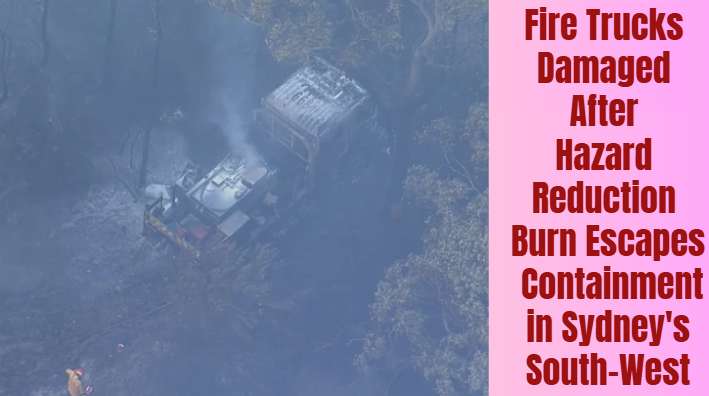
Multiple Rural Fire Service trucks were damaged after a planned hazard reduction burn at Wedderburn in Sydney's south-west escaped containment on Saturday.
Treasurer Jim Chalmers says the federal budget bottom line has improved by $6 billion compared with the May forecast, while the government faces pressur...
Northern Territory Police are investigating a series of alleged aggravated burglaries in Alice Springs after up to seven homes in the Araluen area were...