Safety note: Admin approval is an initial review, not a guarantee that every detail is correct. Check important or urgent claims with official sources and report anything inaccurate or unsafe.
Source and credit: Contributor's own report
Soccer Player's 70-Kilometre Hospital Journey Raises Questions Over Regional Ambulance Transfers - Victor Harbor, SA
Smart summary
A South Australian soccer player with two broken bones in his lower leg travelled about 70 kilometres by private car after waiting at a regional hospital for an ambulance transfer to a facility equipped for orthopaedi...
A South Australian soccer player's difficult journey between hospitals has prompted his family to call for a review of ambulance transfer arrangements for patients who require specialist treatment.
Harry Jones, captain of the Southern Breakers Football Club's senior men's team, suffered a serious lower-leg injury during a soccer match. His right boot became caught in the goal net as he attempted to stop an opposition shot, causing him to land awkwardly and fracture both bones in his lower leg.
An ambulance took Jones to South Coast District Hospital at Victor Harbor, a regional facility that was able to provide initial assessment and treatment but was not equipped to perform the complex orthopaedic surgery he required.
His family and people involved with his football club subsequently raised concerns about the time he spent waiting for a transfer to Flinders Medical Centre in Adelaide. According to his fiancee, Victoria Briggs, Jones remained in significant pain while waiting for an ambulance transfer and was told the wait could potentially last several more hours.
Briggs said hospital staff indicated there was no guarantee an ambulance would become available that day. She ultimately decided to transport Jones herself in a private car, with assistance from his mother.
The journey from Victor Harbor to Flinders Medical Centre was approximately 70 kilometres. Jones travelled in the back seat while his injured leg continued to swell. His family said the decision was made because they wanted him to reach a hospital capable of providing the specialist treatment he needed.
Jones did not undergo surgery immediately after arriving at the metropolitan hospital. He eventually received surgery the following day, including the insertion of a titanium rod into his tibia.
The incident has prompted calls for South Australia's ambulance and hospital-transfer arrangements to be reviewed, particularly for patients injured in regional areas who require specialist services unavailable locally.
Peta Haldane, a trainer with the Southern Breakers Football Club and a registered nurse, said she believed the severity of Jones's injury was clear and that he should have been transferred directly to a hospital equipped to handle complex orthopaedic surgery.
Jones's family has stressed that its concerns are focused on the transfer process rather than the treatment provided by individual medical staff. Briggs said the paramedics and hospital staff involved in Jones's care had been supportive.
SA Ambulance defended the initial decision to take Jones to the Victor Harbor hospital. A spokesperson said the destination decision was made to ensure he received the quickest medical care and access to appropriate pain relief.
The ambulance service said its destination policy considers several factors, including transporting patients to an appropriate and geographically closest hospital, the patient's immediate medical needs and demand at individual hospitals. Decisions are made by healthcare professionals based on the circumstances of each patient.
The case has highlighted the challenges faced by patients in regional South Australia when specialist medical treatment is not available at their nearest hospital. Regional communities can be separated from metropolitan specialist services by significant distances, making the availability of patient transport an important part of emergency healthcare.
Jones's experience has now led his family and supporters to ask whether patients with clear specialist surgical needs could sometimes be transferred directly to metropolitan facilities rather than first being taken to a regional hospital.
The matter remains a subject of discussion around regional healthcare access and ambulance-transfer policies in South Australia.
HospitalJonesAmbulanceRegionalMedical
A South Australian soccer player's difficult journey between hospitals has prompted his family to call for a review of ambulance transfer arrangements for patients who require specialist treatment.
Harry Jones, captain of the Southern Breakers Football Club's senior men's team, suffered a serious lower-leg injury during a soccer match. His right boot became caught in the goal net as he attempted to stop an opposition shot, causing him to land awkwardly and fracture both bones in his lower leg.
An ambulance took Jones to South Coast District Hospital at Victor Harbor, a regional facility that was able to provide initial assessment and treatment but was not equipped to perform the complex orthopaedic surgery he required.
His family and people involved with his football club subsequently raised concerns about the time he spent waiting for a transfer to Flinders Medical Centre in Adelaide. According to his fiancee, Victoria Briggs, Jones remained in significant pain while waiting for an ambulance transfer and was told the wait could potentially last several more hours.
Briggs said hospital staff indicated there was no guarantee an ambulance would become available that day. She ultimately decided to transport Jones herself in a private car, with assistance from his mother.
The journey from Victor Harbor to Flinders Medical Centre was approximately 70 kilometres. Jones travelled in the back seat while his injured leg continued to swell. His family said the decision was made because they wanted him to reach a hospital capable of providing the specialist treatment he needed.
Jones did not undergo surgery immediately after arriving at the metropolitan hospital. He eventually received surgery the following day, including the insertion of a titanium rod into his tibia.
The incident has prompted calls for South Australia's ambulance and hospital-transfer arrangements to be reviewed, particularly for patients injured in regional areas who require specialist services unavailable locally.
Peta Haldane, a trainer with the Southern Breakers Football Club and a registered nurse, said she believed the severity of Jones's injury was clear and that he should have been transferred directly to a hospital equipped to handle complex orthopaedic surgery.
Jones's family has stressed that its concerns are focused on the transfer process rather than the treatment provided by individual medical staff. Briggs said the paramedics and hospital staff involved in Jones's care had been supportive.
SA Ambulance defended the initial decision to take Jones to the Victor Harbor hospital. A spokesperson said the destination decision was made to ensure he received the quickest medical care and access to appropriate pain relief.
The ambulance service said its destination policy considers several factors, including transporting patients to an appropriate and geographically closest hospital, the patient's immediate medical needs and demand at individual hospitals. Decisions are made by healthcare professionals based on the circumstances of each patient.
The case has highlighted the challenges faced by patients in regional South Australia when specialist medical treatment is not available at their nearest hospital. Regional communities can be separated from metropolitan specialist services by significant distances, making the availability of patient transport an important part of emergency healthcare.
Jones's experience has now led his family and supporters to ask whether patients with clear specialist surgical needs could sometimes be transferred directly to metropolitan facilities rather than first being taken to a regional hospital.
The matter remains a subject of discussion around regional healthcare access and ambulance-transfer policies in South Australia.
Geraldton is set to receive the Midwest region's first four-wheel-drive ambulance in October after concerns about emergency access to remote beaches, sa...
Doctors across Victoria's public hospital system are planning a four-hour statewide walkout on Thursday amid an ongoing dispute over pay and working con...
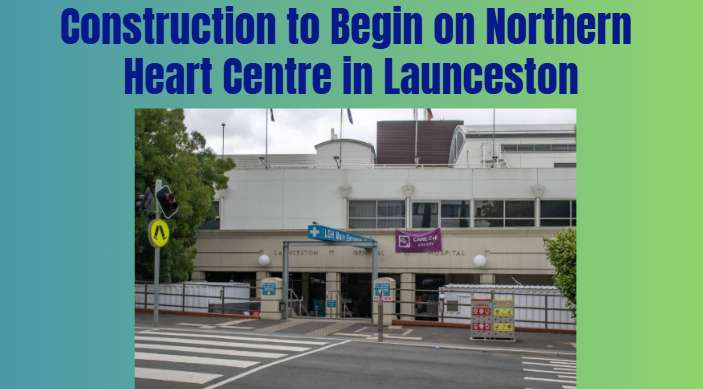
Construction of Tasmania's new Northern Heart Centre at Launceston General Hospital is expected to begin within weeks, expanding cardiac services for pa...
South Australian health authorities are contacting people who may have been exposed to measles after a confirmed case spent more than 24 hours across ar...
A major developer has ended its involvement in the Eyre residential development in Adelaide's north, leaving South Australia's Renewal SA to take respon...
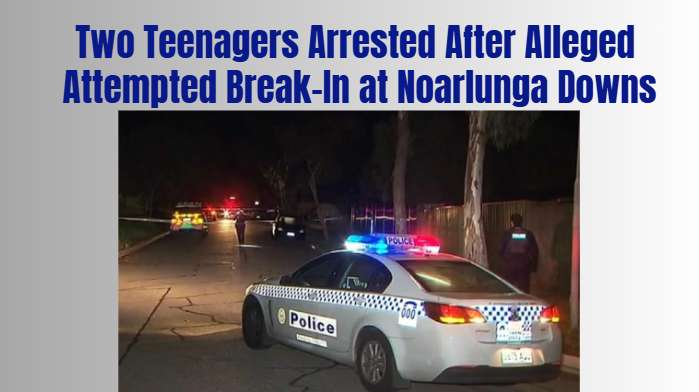
Two 14-year-old boys have been arrested and charged after police allege they were caught trying to enter a property at Noarlunga Downs in Adelaide's sou...
South Australian health authorities are contacting people who may have been exposed to measles after a confirmed case spent more than 24 hours across ar...
A major developer has ended its involvement in the Eyre residential development in Adelaide's north, leaving South Australia's Renewal SA to take respon...
Chinese-owned Yongji Health has taken almost complete control of Tasmanian Botanics, one of Australia's largest medicinal cannabis producers, following...
An 18-year-old man has been charged after NSW Police allege he used a drone to conduct surveillance as part of a conspiracy to murder a man in Sydney's...
A 34-year-old man has been charged after police allege a worker was threatened with a knife during an overnight robbery at a fast-food restaurant in Spr...