Safety note: Admin approval is an initial review, not a guarantee that every detail is correct. Check important or urgent claims with official sources and report anything inaccurate or unsafe.
Southern Right Whale Delights Onlookers in Mandurah Estuary as Dolphins Swim Alongside
Smart summary
Residents and visitors in Western Australia's Peel region were treated to a remarkable wildlife spectacle after a southern right whale was spotted swimming through the Mandurah estuary, accompanied by several dolphins...
Residents and visitors in Western Australia's Peel region were treated to a remarkable wildlife spectacle after a southern right whale was spotted swimming through the Mandurah estuary, accompanied by several dolphins. The unusual encounter, captured by drone footage and photographs from local observers, quickly attracted widespread attention and highlighted the region's rich marine biodiversity.
The whale was seen travelling through the Dawesville Cut, a man-made channel connecting the Mandurah Estuary with the Indian Ocean. Witnesses reported that the large marine mammal appeared to change direction several times while navigating the waterway, leading some observers to believe it may have become temporarily disoriented. At the same time, a pod of dolphins was seen swimming alongside the whale, creating a striking scene that fascinated onlookers.
Drone footage recorded from above showed the enormous whale moving slowly through the estuary while the dolphins remained nearby. Although experts cannot confirm the dolphins' behaviour, many local observers suggested they appeared to be accompanying the whale as it made its way toward deeper ocean waters. The footage highlighted the size difference between the whale and the dolphins while showcasing the natural beauty of the coastal environment.
Southern right whales migrate along the Western Australian coastline each year between May and November. During this period, they travel north to sheltered coastal waters where they mate, give birth and care for their calves before returning south later in the year. Their seasonal migration provides opportunities for coastal communities to witness these impressive marine mammals from beaches, lookouts and boats.
Marine wildlife sightings such as this are considered relatively uncommon inside estuary systems, making the Mandurah encounter especially memorable. Local photographers and drone operators documented the event, allowing thousands of people to experience the rare sight through images and videos shared online. The encounter also served as a reminder of the diverse marine life that inhabits Western Australia's coastline.
Wildlife authorities continue to encourage people observing whales to maintain a safe distance and avoid disturbing the animals. Responsible wildlife viewing helps protect marine species while allowing researchers and conservation groups to better understand migration patterns and animal behaviour.
The sighting occurred during one of the busiest periods of the annual whale migration, when southern right whales and humpback whales are commonly observed along the Western Australian coast. Tourism operators and local communities often welcome the migration season, which attracts visitors interested in whale watching and nature-based experiences.
The remarkable encounter has generated excitement among wildlife enthusiasts and highlighted the importance of protecting Australia's marine ecosystems. Healthy coastal habitats play a vital role in supporting migrating whales, dolphins and many other marine species that depend on clean and productive ocean environments.
As the migration season continues, authorities remind the public to observe marine wildlife responsibly and report any injured or stranded animals to the appropriate agencies. The Mandurah sighting stands as a memorable example of Australia's extraordinary natural heritage and the unique wildlife experiences that continue to captivate communities across the country.
MarineWhaleDolphinsWildlifeEstuary
Residents and visitors in Western Australia's Peel region were treated to a remarkable wildlife spectacle after a southern right whale was spotted swimming through the Mandurah estuary, accompanied by several dolphins. The unusual encounter, captured by drone footage and photographs from local observers, quickly attracted widespread attention and highlighted the region's rich marine biodiversity.
The whale was seen travelling through the Dawesville Cut, a man-made channel connecting the Mandurah Estuary with the Indian Ocean. Witnesses reported that the large marine mammal appeared to change direction several times while navigating the waterway, leading some observers to believe it may have become temporarily disoriented. At the same time, a pod of dolphins was seen swimming alongside the whale, creating a striking scene that fascinated onlookers.
Drone footage recorded from above showed the enormous whale moving slowly through the estuary while the dolphins remained nearby. Although experts cannot confirm the dolphins' behaviour, many local observers suggested they appeared to be accompanying the whale as it made its way toward deeper ocean waters. The footage highlighted the size difference between the whale and the dolphins while showcasing the natural beauty of the coastal environment.
Southern right whales migrate along the Western Australian coastline each year between May and November. During this period, they travel north to sheltered coastal waters where they mate, give birth and care for their calves before returning south later in the year. Their seasonal migration provides opportunities for coastal communities to witness these impressive marine mammals from beaches, lookouts and boats.
Marine wildlife sightings such as this are considered relatively uncommon inside estuary systems, making the Mandurah encounter especially memorable. Local photographers and drone operators documented the event, allowing thousands of people to experience the rare sight through images and videos shared online. The encounter also served as a reminder of the diverse marine life that inhabits Western Australia's coastline.
Wildlife authorities continue to encourage people observing whales to maintain a safe distance and avoid disturbing the animals. Responsible wildlife viewing helps protect marine species while allowing researchers and conservation groups to better understand migration patterns and animal behaviour.
The sighting occurred during one of the busiest periods of the annual whale migration, when southern right whales and humpback whales are commonly observed along the Western Australian coast. Tourism operators and local communities often welcome the migration season, which attracts visitors interested in whale watching and nature-based experiences.
The remarkable encounter has generated excitement among wildlife enthusiasts and highlighted the importance of protecting Australia's marine ecosystems. Healthy coastal habitats play a vital role in supporting migrating whales, dolphins and many other marine species that depend on clean and productive ocean environments.
As the migration season continues, authorities remind the public to observe marine wildlife responsibly and report any injured or stranded animals to the appropriate agencies. The Mandurah sighting stands as a memorable example of Australia's extraordinary natural heritage and the unique wildlife experiences that continue to captivate communities across the country.
A Chinese private processor has purchased 68,000 tonnes of new-season Australian canola for shipment in March, marking the first known private-sector pu...
Darwin Northern Territory · Other News · 01 Sep 2026
A scenic hike through Butterfly Gorge in the Northern Territory turned into a frightening experience when a buffalo charged at two hikers. ABC Darwin reported the story today, 1...
Coffs Harbour New South Wales · Other News · 01 Sep 2026
A Safe Work NSW inspection blitz across the Coffs Harbour region has uncovered dozens of workplace-safety issues in the horticulture industry. The operation followed concerns ab...
Perth Western Australia · General News · 03 Sep 2026
A series of crashes has disrupted Perth roads this morning as motorists faced wet and damp conditions. One of the incidents occurred on North Lake Road in South Lake at about 5:...
Perth Western Australia · Crime News · 03 Sep 2026
Western Australia Police have launched an urgent search for 34-year-old Patryk Kamal Singh across Perth’s southern suburbs. Police say they are seeking information about his whe...
Perth Western Australia · Technology News · 03 Sep 2026
Western Australia Police have announced that hundreds of fines issued through AI-assisted traffic cameras are being dropped following a review of the technology and enforcement...
Perth Western Australia · Crime News · 03 Sep 2026
WA Police are investigating an alleged assault in Perth after a man was seriously injured during an incident outside a Hungry Jack’s. A 14-year-old boy has been charged followin...
A 50-year-old man has died after being struck by a vehicle in Fernvale, west of Brisbane, with police launching a homicide investigation and arresting a...
Multiple Rural Fire Service trucks were damaged after a planned hazard reduction burn at Wedderburn in Sydney's south-west escaped containment on Saturday.
Wet conditions at the Melbourne Cricket Ground are creating difficult conditions for the AFL Grand Final, while poor weather has also disrupted flights...
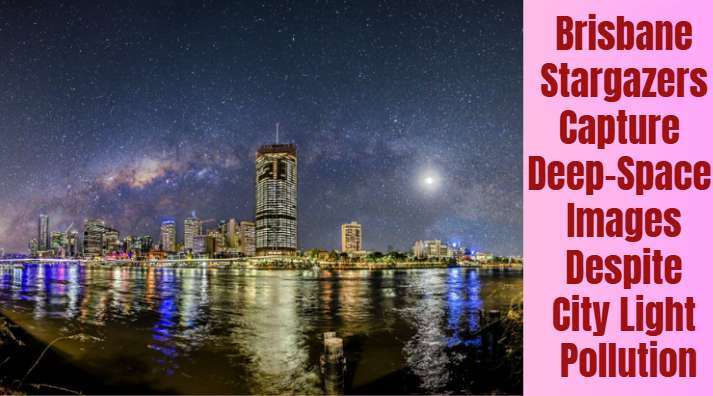
Amateur astronomers are using new telescope technology to photograph the Moon, planets and distant galaxies from Brisbane homes, showing that city skies...