Sunshine Coast Plumbing Company Placed Into Voluntary Liquidation
By Neha · Published 22 Jun 2026 · Updated 22 Jun 2026
Sunshine Coast, Queensland · Queensland News
Safety note: Admin approval is an initial review, not a guarantee that every detail is correct. Check important or urgent claims with official sources and report anything inaccurate or unsafe.
Source and credit: Contributor's own report
Sunshine Coast Plumbing Company Placed Into Voluntary Liquidation - Sunshine Coast, Queensland
Smart summary
A Sunshine Coast plumbing business has entered voluntary liquidation, leaving creditors, employees and customers awaiting clarity on the company's financial position and future obligations.
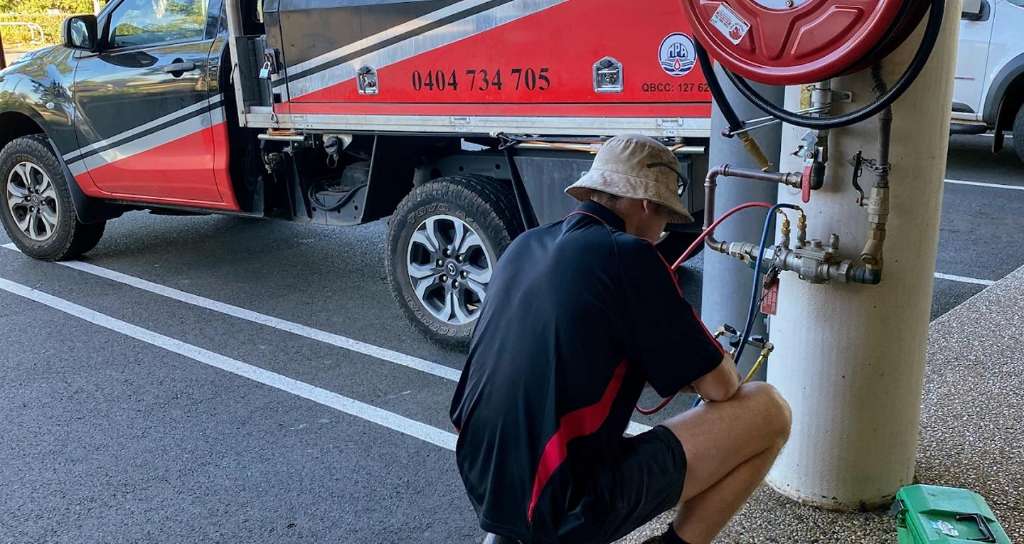
A plumbing company operating on Queensland's Sunshine Coast has been placed into voluntary liquidation, marking the latest business casualty amid challenging economic conditions facing the construction and trades sectors.
The decision was made by the company's director, who appointed a liquidator to oversee the winding up of the business and assess its financial affairs. Voluntary liquidation is a legal process that occurs when company directors determine a business is no longer able to continue operating or meet its financial obligations.
The appointment of a liquidator means the company's assets, liabilities and creditor claims will now be reviewed. The liquidator's role includes investigating the company's financial position, identifying available assets and determining how any funds can be distributed among creditors in accordance with Australian insolvency laws.
The collapse highlights the ongoing pressures facing many businesses in the building and construction industry. Rising operating costs, labour shortages, increased material prices and higher borrowing expenses have placed significant strain on contractors and trade-based businesses across Australia in recent years.
Industry analysts note that even established businesses can encounter financial difficulties when project costs escalate unexpectedly or cash flow becomes constrained. Companies involved in construction-related services often face additional challenges associated with delayed payments, project variations and changing market conditions.
Customers who have ongoing projects with the company may now need to seek further information from the appointed liquidator regarding unfinished work, outstanding contracts or warranty obligations. Similarly, suppliers and subcontractors who believe they are owed money may be required to lodge claims as part of the liquidation process.
Employees affected by the closure may also be entitled to certain protections under Australia's insolvency framework. Depending on the circumstances, eligible workers can seek assistance through government schemes that help recover unpaid wages, leave entitlements and other employment-related benefits.
The Sunshine Coast has experienced substantial growth in recent years, with strong demand for residential and commercial construction projects. Despite that growth, many businesses within the sector continue to face financial pressures caused by fluctuating costs and changing economic conditions.
Local business groups have previously warned that smaller and medium-sized operators are particularly vulnerable to market disruptions because they often have less capacity to absorb rising expenses or unexpected project delays.
The liquidator will now conduct a detailed review of the company's affairs and prepare reports for creditors. Meetings may be held to provide updates on the liquidation process and outline the likely return, if any, available to creditors.
While the full financial details have yet to be publicly disclosed, the case serves as another reminder of the challenges confronting businesses operating within Australia's construction and trade services industries.
CompanyFinancialBusinessesLiquidationLiquidator
A plumbing company operating on Queensland's Sunshine Coast has been placed into voluntary liquidation, marking the latest business casualty amid challenging economic conditions facing the construction and trades sectors.
The decision was made by the company's director, who appointed a liquidator to oversee the winding up of the business and assess its financial affairs. Voluntary liquidation is a legal process that occurs when company directors determine a business is no longer able to continue operating or meet its financial obligations.
The appointment of a liquidator means the company's assets, liabilities and creditor claims will now be reviewed. The liquidator's role includes investigating the company's financial position, identifying available assets and determining how any funds can be distributed among creditors in accordance with Australian insolvency laws.
The collapse highlights the ongoing pressures facing many businesses in the building and construction industry. Rising operating costs, labour shortages, increased material prices and higher borrowing expenses have placed significant strain on contractors and trade-based businesses across Australia in recent years.
Industry analysts note that even established businesses can encounter financial difficulties when project costs escalate unexpectedly or cash flow becomes constrained. Companies involved in construction-related services often face additional challenges associated with delayed payments, project variations and changing market conditions.
Customers who have ongoing projects with the company may now need to seek further information from the appointed liquidator regarding unfinished work, outstanding contracts or warranty obligations. Similarly, suppliers and subcontractors who believe they are owed money may be required to lodge claims as part of the liquidation process.
Employees affected by the closure may also be entitled to certain protections under Australia's insolvency framework. Depending on the circumstances, eligible workers can seek assistance through government schemes that help recover unpaid wages, leave entitlements and other employment-related benefits.
The Sunshine Coast has experienced substantial growth in recent years, with strong demand for residential and commercial construction projects. Despite that growth, many businesses within the sector continue to face financial pressures caused by fluctuating costs and changing economic conditions.
Local business groups have previously warned that smaller and medium-sized operators are particularly vulnerable to market disruptions because they often have less capacity to absorb rising expenses or unexpected project delays.
The liquidator will now conduct a detailed review of the company's affairs and prepare reports for creditors. Meetings may be held to provide updates on the liquidation process and outline the likely return, if any, available to creditors.
While the full financial details have yet to be publicly disclosed, the case serves as another reminder of the challenges confronting businesses operating within Australia's construction and trade services industries.
Australian shoppers and small businesses are preparing for changes to card-payment surcharges, with new Reserve Bank rules due to take effect from Octob...
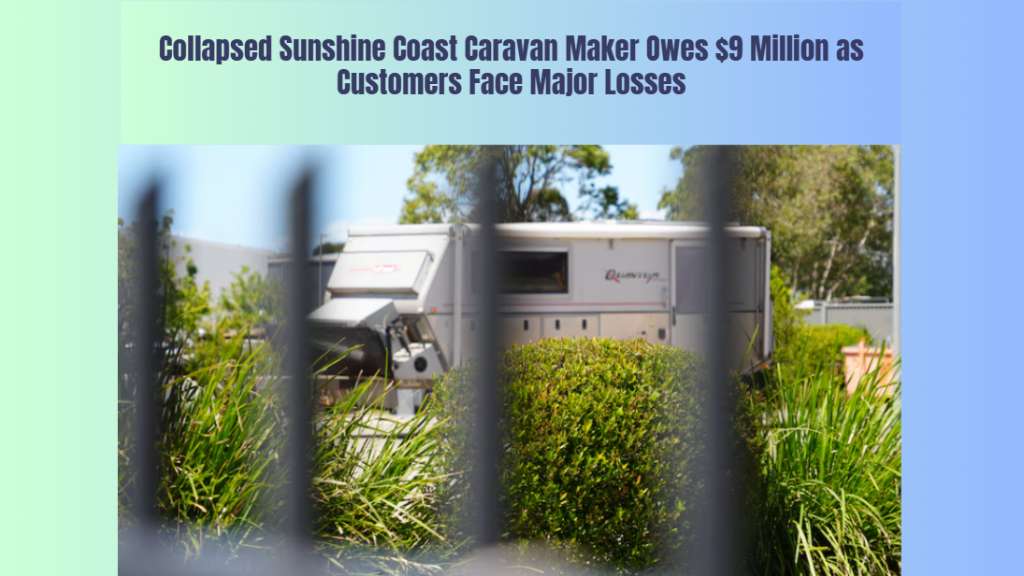
Administrators have revealed Australian Off Road owes about $9 million after the Sunshine Coast caravan manufacturer collapsed, leaving customers, emplo...
Bathurst New South Wales · Business News · 21 Sep 2026
Bathurst-based Bell Conveyancing has received three honours at the 2026 Carillon Business Awards, marking a significant recognition for the local business and its work in the re...
Brisbane is hosting a three-day national conference focused on critical minerals, supply chains, processing, investment and the future of Australia's re...
A 50-year-old man has died after being struck by a vehicle in Fernvale, west of Brisbane, with police launching a homicide investigation and arresting a...
Amateur astronomers are using new telescope technology to photograph the Moon, planets and distant galaxies from Brisbane homes, showing that city skies...
Severe weather in Melbourne has caused flight disruptions from Brisbane, with at least one flight cancelled and other services delayed as passengers tra...
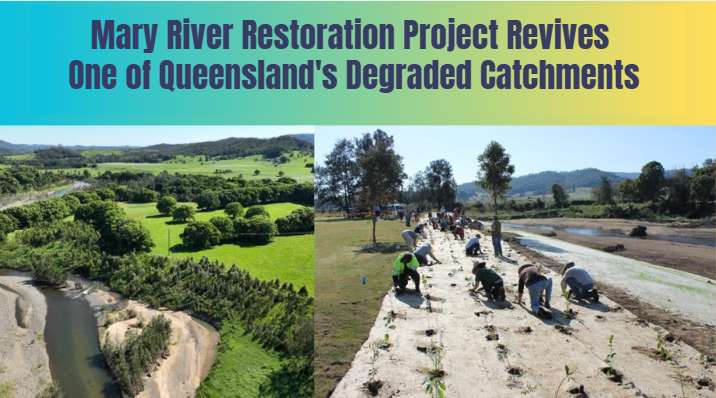
A long-running community restoration effort along Queensland's Mary River is reducing erosion, improving water quality and helping restore habitat for n...
A 50-year-old man has died after being struck by a vehicle in Fernvale, west of Brisbane, with police launching a homicide investigation and arresting a...
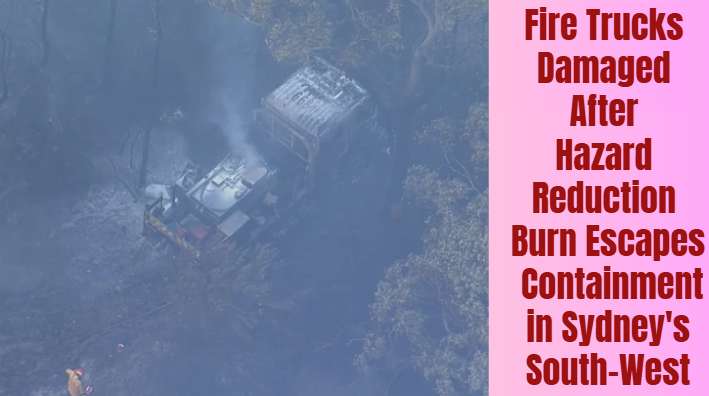
Multiple Rural Fire Service trucks were damaged after a planned hazard reduction burn at Wedderburn in Sydney's south-west escaped containment on Saturday.
Wet conditions at the Melbourne Cricket Ground are creating difficult conditions for the AFL Grand Final, while poor weather has also disrupted flights...
Amateur astronomers are using new telescope technology to photograph the Moon, planets and distant galaxies from Brisbane homes, showing that city skies...