Safety note: Admin approval is an initial review, not a guarantee that every detail is correct. Check important or urgent claims with official sources and report anything inaccurate or unsafe.
Source and credit: Contributor's own report
The Delicate — and Smoky — Art of Pyrography - Brisbane, QLD
Smart summary
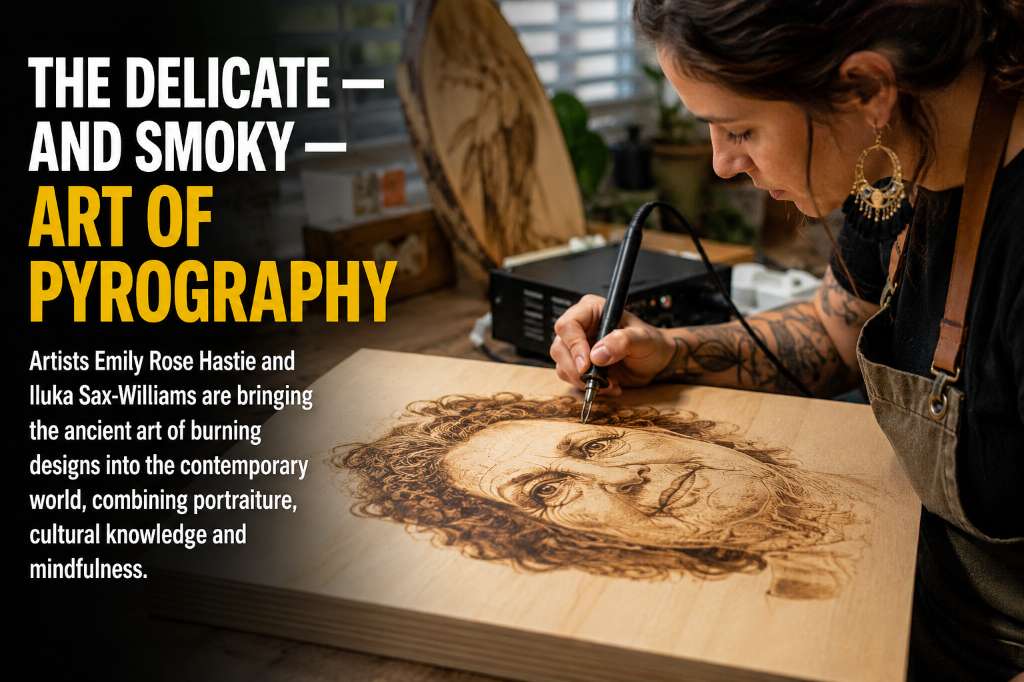
Artists Emily Rose Hastie and Iluka Sax-Williams are bringing the ancient art of burning designs into the contemporary world, combining portraiture, cultural knowledge and mindfulness.
The story explores pyrography, an art form in which artists use heat to burn intricate designs into materials such as wood and animal skins. For Gold Coast artist and high-school teacher Emily Rose Hastie, the journey began unexpectedly when her mother asked her to decorate a wooden cheese board. After experimenting with a soldering kit, Hastie discovered a medium that eventually became central to her artistic career.
Hastie went on to co-found an art studio, hold her first solo exhibition in 2021 and enter this year's Archibald Prize with a pyrography portrait of former Greens leader Christine Milne. She also appeared on the latest season of Portrait Artist of the Year, where she created a portrait of Danni Minogue using pyrography in just four hours.
The article also examines the First Nations history and cultural significance of pyrography. Aboriginal and Torres Strait Islander communities have used burning techniques as part of artistic and cultural practices, including the decoration of possum-skin cloaks in south-eastern Australia. These cloaks could carry deeply personal records of identity, connection and journeys.
A major focus is Iluka Sax-Williams, a 26-year-old artist from the Taungurung people of the Kulin Nation and Zenadth Kes. He grew up surrounded by the practice through his family and community and was taught techniques associated with decorating possum-skin cloaks. His work now includes pyrography on kangaroo skin, wood, skateboards and other materials.
Sax-Williams's artwork Woora Liwik won the RMIT Emerging Artist Award and was displayed on Melbourne's Rising Festival art trams. His work is also scheduled to feature in Journey Among Men at the Koorie Heritage Trust from 22 August to 22 November.
The story explains that the revival of possum-skin cloak traditions has been particularly important for Aboriginal communities. In 1999, Aunty Vicki Couzens, Aunty Lee Darroch and Aunty Treahna Hamm encountered historic First Nations cloaks held in the Museum Victoria collection. Their experience helped inspire workshops and efforts to reclaim, regenerate and revitalise the cultural knowledge associated with the cloaks.
Interestingly, both Hastie and Sax-Williams describe pyrography as calming and meditative, despite the heat and smoke involved. Hastie says the irreversible nature of burning requires concentration and acceptance, while Sax-Williams describes the slow process as therapeutic and a way to step away from the speed of everyday life.
The story ultimately presents pyrography as more than a visual technique. For contemporary artists, it can combine creative expression, cultural knowledge, history, identity and mindfulness, while helping pass artistic traditions to new generations.
PyrographyCloaksHastieArtistCultural
The story explores pyrography, an art form in which artists use heat to burn intricate designs into materials such as wood and animal skins. For Gold Coast artist and high-school teacher Emily Rose Hastie, the journey began unexpectedly when her mother asked her to decorate a wooden cheese board. After experimenting with a soldering kit, Hastie discovered a medium that eventually became central to her artistic career.
Hastie went on to co-found an art studio, hold her first solo exhibition in 2021 and enter this year's Archibald Prize with a pyrography portrait of former Greens leader Christine Milne. She also appeared on the latest season of Portrait Artist of the Year, where she created a portrait of Danni Minogue using pyrography in just four hours.
The article also examines the First Nations history and cultural significance of pyrography. Aboriginal and Torres Strait Islander communities have used burning techniques as part of artistic and cultural practices, including the decoration of possum-skin cloaks in south-eastern Australia. These cloaks could carry deeply personal records of identity, connection and journeys.
A major focus is Iluka Sax-Williams, a 26-year-old artist from the Taungurung people of the Kulin Nation and Zenadth Kes. He grew up surrounded by the practice through his family and community and was taught techniques associated with decorating possum-skin cloaks. His work now includes pyrography on kangaroo skin, wood, skateboards and other materials.
Sax-Williams's artwork Woora Liwik won the RMIT Emerging Artist Award and was displayed on Melbourne's Rising Festival art trams. His work is also scheduled to feature in Journey Among Men at the Koorie Heritage Trust from 22 August to 22 November.
The story explains that the revival of possum-skin cloak traditions has been particularly important for Aboriginal communities. In 1999, Aunty Vicki Couzens, Aunty Lee Darroch and Aunty Treahna Hamm encountered historic First Nations cloaks held in the Museum Victoria collection. Their experience helped inspire workshops and efforts to reclaim, regenerate and revitalise the cultural knowledge associated with the cloaks.
Interestingly, both Hastie and Sax-Williams describe pyrography as calming and meditative, despite the heat and smoke involved. Hastie says the irreversible nature of burning requires concentration and acceptance, while Sax-Williams describes the slow process as therapeutic and a way to step away from the speed of everyday life.
The story ultimately presents pyrography as more than a visual technique. For contemporary artists, it can combine creative expression, cultural knowledge, history, identity and mindfulness, while helping pass artistic traditions to new generations.
A woman has died following a serious three-vehicle collision involving a commercial bus and two cars in Glenburn, in Victoria’s Yarra Ranges, on Thursday, 24 September 2026. Eme...
A woman has died following a serious three-car collision in Leongatha, Victoria, on Wednesday afternoon, 23 September 2026. Emergency services were called to the Strzelecki High...
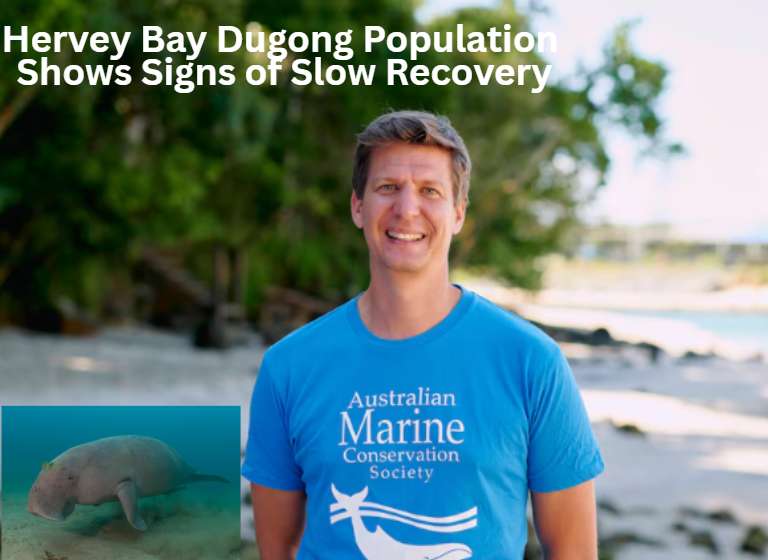
Researchers have recorded a small increase in dugong numbers around Hervey Bay and the Great Sandy Strait after severe flooding damaged seagrass habitat...
Isis Central Sugar Mill is seeking financial assistance from the Queensland Government after mechanical problems and weaker sugar prices put pressure on...
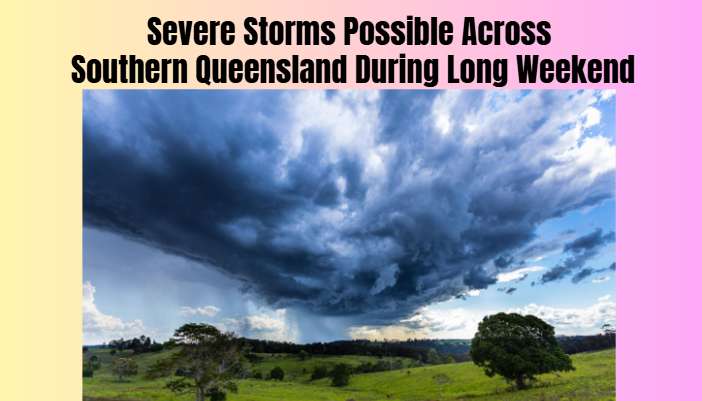
The Bureau of Meteorology is warning of possible thunderstorms across southern Queensland during the King’s Birthday long weekend, with unsettled weathe...
Changes to Australia’s working holiday visa program have raised concerns among tourism and hospitality businesses in Far North Queensland, where backpac...
Queensland Police established an emergency exclusion zone in Kallangur, north of Brisbane, after receiving reports of an armed person inside a residence...
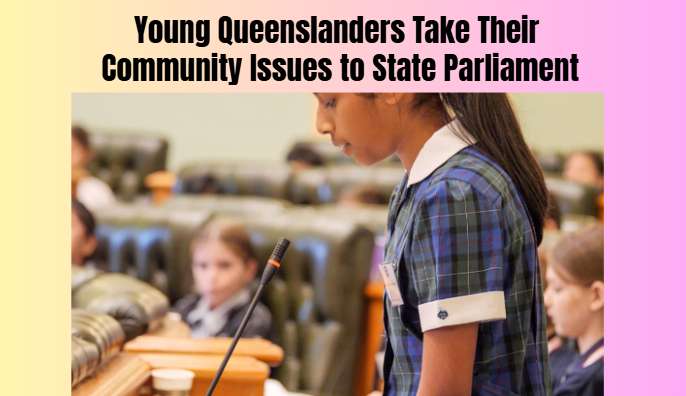
Young people from regional and remote Queensland communities are participating in youth councils and a state youth parliament, raising issues such as di...
The Bureau of Meteorology is warning of possible thunderstorms across southern Queensland during the King’s Birthday long weekend, with unsettled weathe...
Changes to Australia’s working holiday visa program have raised concerns among tourism and hospitality businesses in Far North Queensland, where backpac...
Queensland Police established an emergency exclusion zone in Kallangur, north of Brisbane, after receiving reports of an armed person inside a residence...
Captain Smit Machchhar is recovering after allegedly being attacked by his co-pilot aboard a Flydubai flight bound for Israel. His longtime friend has d...