Safety note: Admin approval is an initial review, not a guarantee that every detail is correct. Check important or urgent claims with official sources and report anything inaccurate or unsafe.
Source and credit: Contributor's own report
Tiny Forests Take Root Across Sydney to Restore Urban Tree Canopy - Sydney, NSW
Smart summary
Small, densely planted native forests are transforming underused spaces across Sydney, helping cool suburbs, boost biodiversity and rebuild the city's shrinking tree canopy.
Tiny forests are beginning to flourish across Sydney as councils, environmental organisations and local communities work together to restore the city's tree canopy and combat the effects of urban heat. Using the Miyawaki method—a technique that involves planting a dense mix of native species in enriched soil—these compact forests are growing rapidly in small, previously underused urban spaces.
One of the most successful examples is located at West Pymble Village Green in Sydney's northern suburbs. Just two years after planting, the once-empty grassy area has transformed into a thriving native forest reaching heights of around seven metres. The project recreated part of the endangered Sydney Turpentine-Ironbark Forest ecosystem, providing habitat for birds, insects and other native wildlife while also delivering much-needed shade for the surrounding community.
The initiative has been led by environmental organisation Earthwatch Australia, which works alongside local councils and volunteers to establish these miniature forests. The process begins by enriching the soil with compost, organic matter and beneficial microorganisms before planting a diverse range of native trees and shrubs very close together. This dense planting encourages the trees to compete for sunlight, resulting in faster upward growth than conventional landscaping methods.
Urban planners say tiny forests offer a practical solution for suburbs where there is limited space for large parks or traditional revegetation projects. Even plots as small as 200 square metres can become thriving ecosystems within a few years. Besides increasing tree canopy, the forests help lower surrounding temperatures, improve air quality, absorb stormwater, reduce noise pollution and create welcoming green spaces for local residents.
Sydney's overall tree canopy has gradually increased in recent years, but coverage remains uneven across many neighbourhoods. Highly urbanised suburbs often have fewer mature trees, making them more vulnerable to extreme summer temperatures and the urban heat island effect. Environmental experts believe tiny forests can help fill these gaps by converting neglected reserves, school grounds and roadside spaces into productive green habitats.
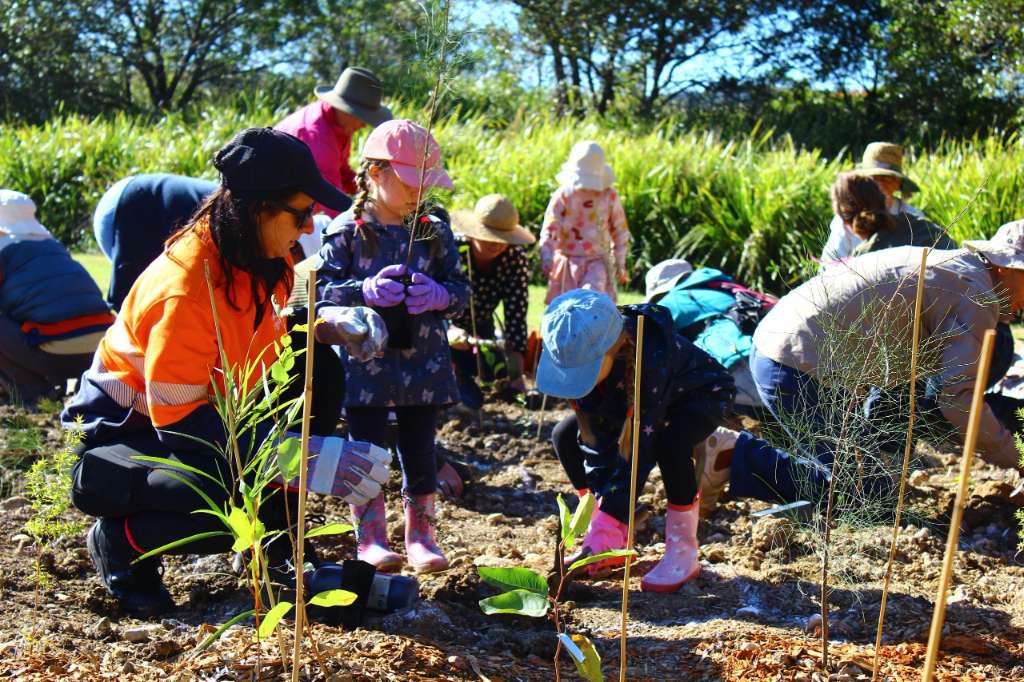
Community involvement is a key part of the projects, with schools, volunteers and local residents participating in planting days and helping maintain the forests during their early years. Once established, the forests become largely self-sustaining, requiring minimal irrigation and maintenance while continuing to support biodiversity and improve environmental resilience.
As Sydney continues to experience population growth and rising temperatures linked to climate change, experts believe these compact native forests could become an increasingly important feature of urban planning. By transforming small unused spaces into thriving ecosystems, the projects demonstrate that even modest community-led initiatives can make a significant contribution to cooling neighbourhoods, restoring biodiversity and creating healthier, greener cities for future generations.
ForestsSydneyUrbanNativePlanting
Tiny forests are beginning to flourish across Sydney as councils, environmental organisations and local communities work together to restore the city's tree canopy and combat the effects of urban heat. Using the Miyawaki method—a technique that involves planting a dense mix of native species in enriched soil—these compact forests are growing rapidly in small, previously underused urban spaces.
One of the most successful examples is located at West Pymble Village Green in Sydney's northern suburbs. Just two years after planting, the once-empty grassy area has transformed into a thriving native forest reaching heights of around seven metres. The project recreated part of the endangered Sydney Turpentine-Ironbark Forest ecosystem, providing habitat for birds, insects and other native wildlife while also delivering much-needed shade for the surrounding community.
The initiative has been led by environmental organisation Earthwatch Australia, which works alongside local councils and volunteers to establish these miniature forests. The process begins by enriching the soil with compost, organic matter and beneficial microorganisms before planting a diverse range of native trees and shrubs very close together. This dense planting encourages the trees to compete for sunlight, resulting in faster upward growth than conventional landscaping methods.
Urban planners say tiny forests offer a practical solution for suburbs where there is limited space for large parks or traditional revegetation projects. Even plots as small as 200 square metres can become thriving ecosystems within a few years. Besides increasing tree canopy, the forests help lower surrounding temperatures, improve air quality, absorb stormwater, reduce noise pollution and create welcoming green spaces for local residents.
Sydney's overall tree canopy has gradually increased in recent years, but coverage remains uneven across many neighbourhoods. Highly urbanised suburbs often have fewer mature trees, making them more vulnerable to extreme summer temperatures and the urban heat island effect. Environmental experts believe tiny forests can help fill these gaps by converting neglected reserves, school grounds and roadside spaces into productive green habitats.
Community involvement is a key part of the projects, with schools, volunteers and local residents participating in planting days and helping maintain the forests during their early years. Once established, the forests become largely self-sustaining, requiring minimal irrigation and maintenance while continuing to support biodiversity and improve environmental resilience.
As Sydney continues to experience population growth and rising temperatures linked to climate change, experts believe these compact native forests could become an increasingly important feature of urban planning. By transforming small unused spaces into thriving ecosystems, the projects demonstrate that even modest community-led initiatives can make a significant contribution to cooling neighbourhoods, restoring biodiversity and creating healthier, greener cities for future generations.
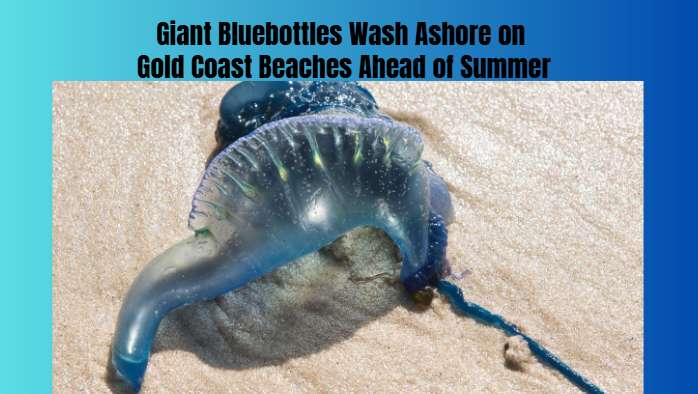
Bluebottles measuring up to three times the usual size have been washing onto Gold Coast beaches earlier than expected, prompting questions from scienti...
A high-tech greenhouse at Pacific Pines State High School is giving students hands-on experience in growing fresh produce, learning science and developi...
Brisbane is transforming plain walls and graffiti-prone public spaces into colourful murals by local artists, with a Newstead tunnel artwork and a Toowo...
Tasmanian homeowners and businesses are facing higher borrowing costs after the Reserve Bank lifted the cash rate to 4.6 per cent, with lower average wa...
The upcoming Coffs Harbour bypass is expected to remove around 35,000 vehicles a day from the city's main highway route, prompting local businesses, inc...
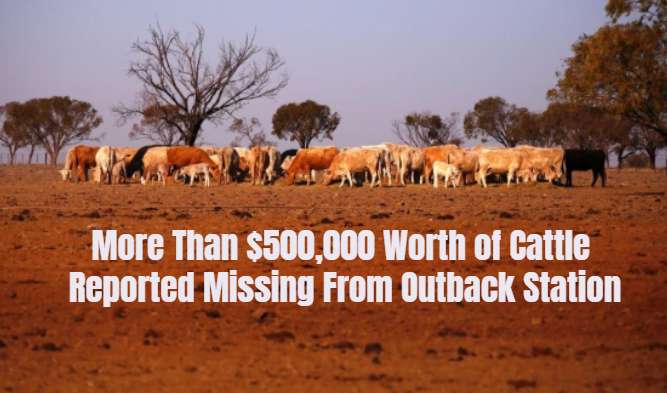
Police are investigating the disappearance of hundreds of thousands of dollars' worth of cattle from an outback property in far-western New South Wales.
Armidale Regional Council will replace an ageing cast-iron water main in Ampol and Miller Streets with a modern system, with construction scheduled to b...
Young people from regional and remote Queensland communities are participating in youth councils and a state youth parliament, raising issues such as di...
A 29-year-old man from Aldinga has been charged with multiple drug, traffic and weapons offences after police allegedly found methamphetamine, other ill...
South Australian police have arrested a 22-year-old woman following an alleged assault on an elderly woman outside a business on Beach Road, Christies B...
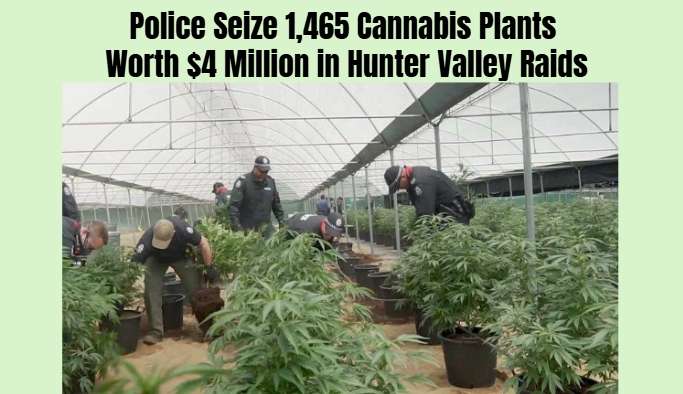
Two men have been charged after a series of police raids across Cessnock, Denman, Muswellbrook and Singleton Heights uncovered 1,465 cannabis plants, wi...