Safety note: Admin approval is an initial review, not a guarantee that every detail is correct. Check important or urgent claims with official sources and report anything inaccurate or unsafe.
Source and credit: Contributor's own report
KALGOORLIE CHILDREN HELP THE ‘TOOTH FAIRY’ - Kalgoorlie, WA
Smart summary
Aboriginal Goldfields Children Help Bring ‘Tooth Fairy’ Health Campaign to Life
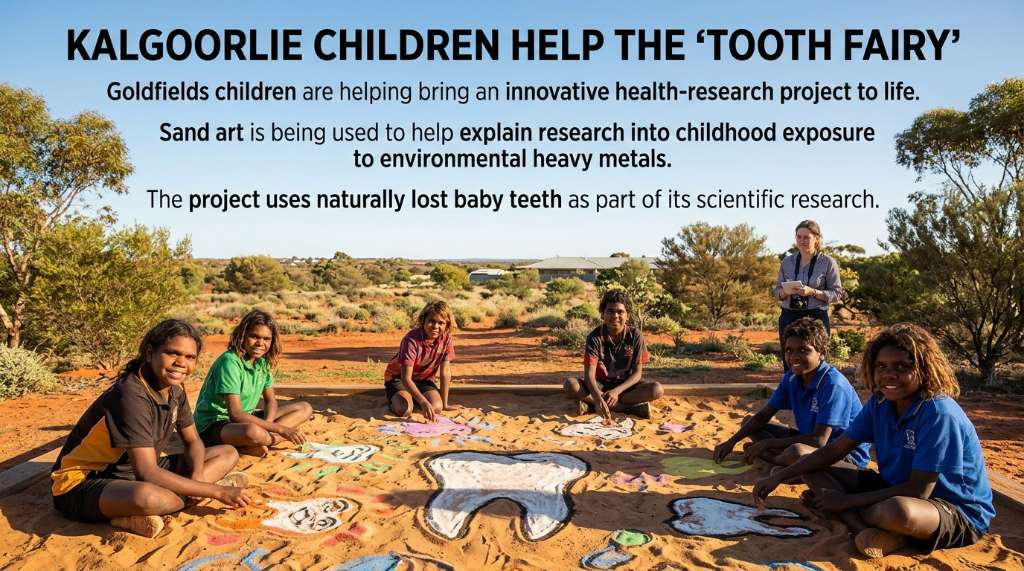
Kalgoorlie-Boulder children are helping promote an innovative research project investigating possible exposure to heavy metals among children living in regional and remote Western Australia. The project, known as the Heavy Metal Tooth Fairy Project, uses children’s naturally lost baby teeth as part of research into environmental exposure.
As part of the project, children from the Goldfields have created sand drawings that have been turned into an animated story encouraging families to donate their children’s fallen-out baby teeth for research. The creative contribution provides a child-friendly way of explaining a complex scientific project while giving local children an active role in promoting the research.
The Heavy Metal Tooth Fairy Project is being led by researchers from the University of Western Australia and is focused on understanding whether environmental contaminants, particularly heavy metals, may accumulate in children living in regional and remote Indigenous communities. Researchers are using geochemical analysis of deciduous teeth to investigate potential exposure.
The project is comparing baby teeth from children in remote Western Australian communities with samples from children participating in the ORIGINS study in Perth. The research program aims to analyse 125 baby teeth from remote WA communities alongside 125 teeth from metropolitan participants. This comparison is intended to help researchers better understand differences in environmental exposure between regional, remote and metropolitan locations.
The research also focuses on possible environmental sources of exposure. The project website explains that some remote communities rely on groundwater that can naturally contain elevated concentrations of contaminants. Researchers are examining water quality, dust and geological information to better understand possible exposure pathways.
An important part of the project is that it goes beyond collecting scientific samples. Researchers are working with schools and communities through citizen-science activities, including programs designed to help participants test local drinking water. Students can also become involved in learning about environmental health, science, technology, engineering and mathematics, as well as dental hygiene.
The project has strong connections to Kalgoorlie-Boulder through the Rural Clinical School of Western Australia, which is based at Kalgoorlie Regional Hospital. Researchers involved in the project have longstanding connections with Aboriginal communities in the Goldfields and have worked on health research in the region.
The involvement of local children is particularly notable because the sand-animation approach allows young participants to communicate the purpose of the research in a creative and accessible way. Instead of presenting the project only through scientific terminology, the animation gives children an opportunity to help tell the story and encourage other families to participate.
The Heavy Metal Tooth Fairy Project is an active research project with a planned timeframe extending from 2025 to 2030. Its broader goal is to improve understanding of environmental exposures affecting children in regional and remote Australia while helping communities develop practical skills for monitoring environmental conditions.
For Kalgoorlie-Boulder, the initiative represents an unusual combination of local children, community participation, science and health research. It also demonstrates how regional communities can contribute directly to research that may help improve understanding of environmental health.
ChildrenProjectResearchCommunitiesEnvironmental
Kalgoorlie-Boulder children are helping promote an innovative research project investigating possible exposure to heavy metals among children living in regional and remote Western Australia. The project, known as the Heavy Metal Tooth Fairy Project, uses children’s naturally lost baby teeth as part of research into environmental exposure.
As part of the project, children from the Goldfields have created sand drawings that have been turned into an animated story encouraging families to donate their children’s fallen-out baby teeth for research. The creative contribution provides a child-friendly way of explaining a complex scientific project while giving local children an active role in promoting the research.
The Heavy Metal Tooth Fairy Project is being led by researchers from the University of Western Australia and is focused on understanding whether environmental contaminants, particularly heavy metals, may accumulate in children living in regional and remote Indigenous communities. Researchers are using geochemical analysis of deciduous teeth to investigate potential exposure.
The project is comparing baby teeth from children in remote Western Australian communities with samples from children participating in the ORIGINS study in Perth. The research program aims to analyse 125 baby teeth from remote WA communities alongside 125 teeth from metropolitan participants. This comparison is intended to help researchers better understand differences in environmental exposure between regional, remote and metropolitan locations.
The research also focuses on possible environmental sources of exposure. The project website explains that some remote communities rely on groundwater that can naturally contain elevated concentrations of contaminants. Researchers are examining water quality, dust and geological information to better understand possible exposure pathways.
An important part of the project is that it goes beyond collecting scientific samples. Researchers are working with schools and communities through citizen-science activities, including programs designed to help participants test local drinking water. Students can also become involved in learning about environmental health, science, technology, engineering and mathematics, as well as dental hygiene.
The project has strong connections to Kalgoorlie-Boulder through the Rural Clinical School of Western Australia, which is based at Kalgoorlie Regional Hospital. Researchers involved in the project have longstanding connections with Aboriginal communities in the Goldfields and have worked on health research in the region.
The involvement of local children is particularly notable because the sand-animation approach allows young participants to communicate the purpose of the research in a creative and accessible way. Instead of presenting the project only through scientific terminology, the animation gives children an opportunity to help tell the story and encourage other families to participate.
The Heavy Metal Tooth Fairy Project is an active research project with a planned timeframe extending from 2025 to 2030. Its broader goal is to improve understanding of environmental exposures affecting children in regional and remote Australia while helping communities develop practical skills for monitoring environmental conditions.
For Kalgoorlie-Boulder, the initiative represents an unusual combination of local children, community participation, science and health research. It also demonstrates how regional communities can contribute directly to research that may help improve understanding of environmental health.
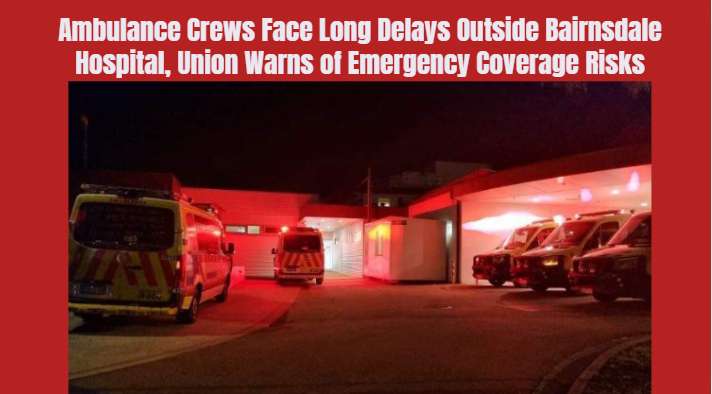
Ambulance crews in Bairnsdale have reportedly spent several hours waiting to transfer patients into hospital care, prompting concerns from the Victorian...
Central Coast New South Wales · Health News · 30 Sep 2026
Central Coast communities are set to receive more than $1.8 million in funding for health facility upgrades, with the money allocated to the Central Coast Local Health District...
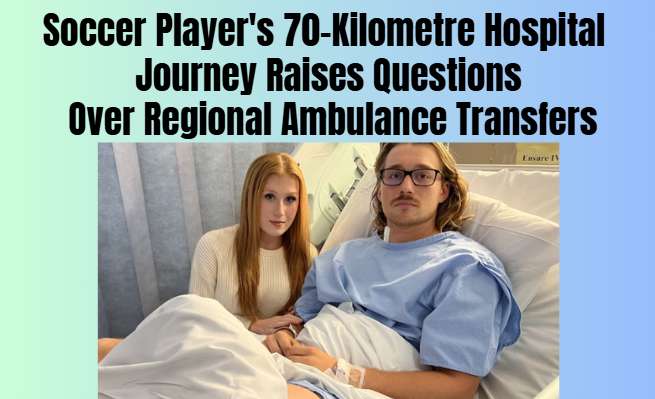
A South Australian soccer player with two broken bones in his lower leg travelled about 70 kilometres by private car after waiting at a regional hospita...
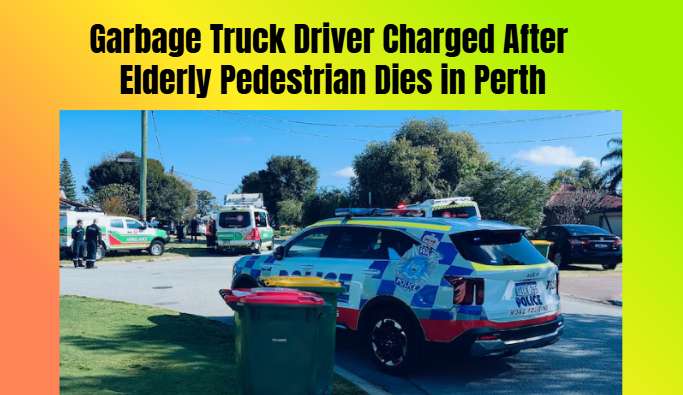
A 59-year-old rubbish-truck driver has been charged with dangerous driving causing death after a 70-year-old man was fatally struck in Queens Park earli...
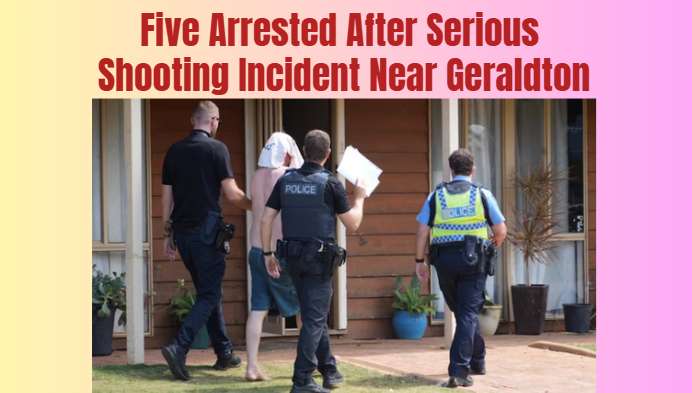
Police have arrested five people after a man was taken to hospital with a gunshot wound following a serious incident at Moonyoonooka, east of Geraldton,...
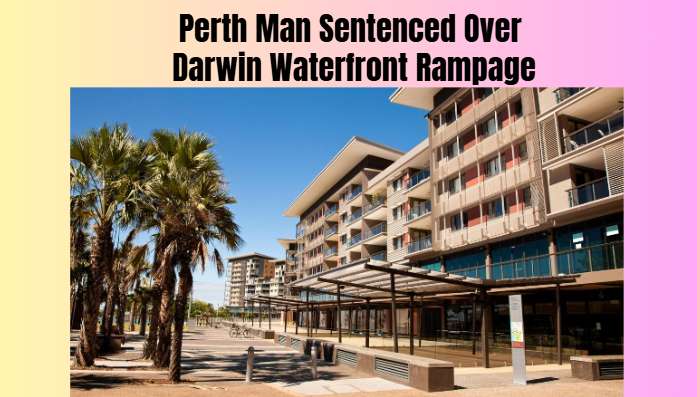
A 36-year-old man extradited from Perth has received a suspended prison sentence after being convicted over a violent incident involving four people at...
Darwin's Frontier Bar and Grill manager Aston Bell has received two industry awards, recognising her leadership, customer service and contribution to th...
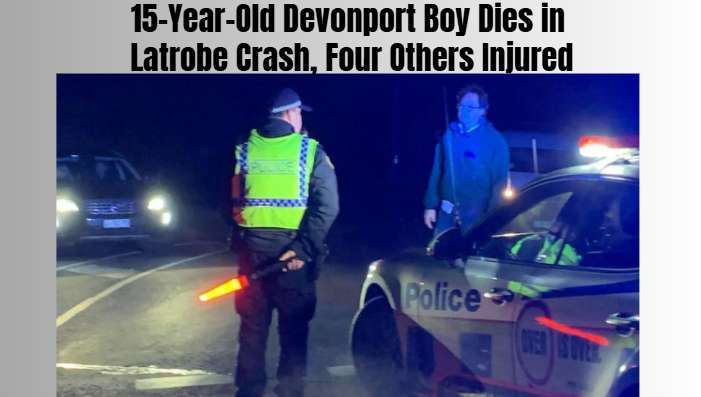
A teenager from Devonport has died and four other people were injured after a serious crash involving a ute on Mersey Main Road near Latrobe, Tasmania.