Safety note: Admin approval is an initial review, not a guarantee that every detail is correct. Check important or urgent claims with official sources and report anything inaccurate or unsafe.
Source and credit: Contributor's own report
Toowoomba ratepayers face average $120 annual rates increase under new council budget - Toowoomba, Queensland
Smart summary
Residents across the Toowoomba Region will pay an average of $120 more each year in council rates after councillors adopted the 2026–27 budget, with the additional revenue aimed at funding infrastructure, road mainten...
Ratepayers across the Toowoomba Region are set to pay higher council rates after the Toowoomba Regional Council adopted its 2026–27 budget, introducing an average annual increase of about $120 for residential property owners.
The budget was approved following council deliberations, with officials saying the increase is necessary to help meet rising operational costs while continuing to invest in roads, water infrastructure, parks, waste services and community facilities. According to the council, growing construction costs, inflation and increasing demand for public services have placed significant pressure on local government finances.
For the average homeowner, the increase equates to around $2.30 per week. While council leaders described the rise as measured and necessary, some residents have expressed concern about the added financial burden at a time when many households are already facing higher mortgage repayments, insurance premiums and everyday living expenses.
Council representatives said the budget focuses on maintaining essential infrastructure while preparing the rapidly growing region for future population growth. Planned spending includes upgrades to local roads, bridge maintenance, drainage improvements, sporting facilities, parks, libraries and waste management services. Investment will also continue in water and sewerage infrastructure to ensure reliable services across both urban and rural communities.
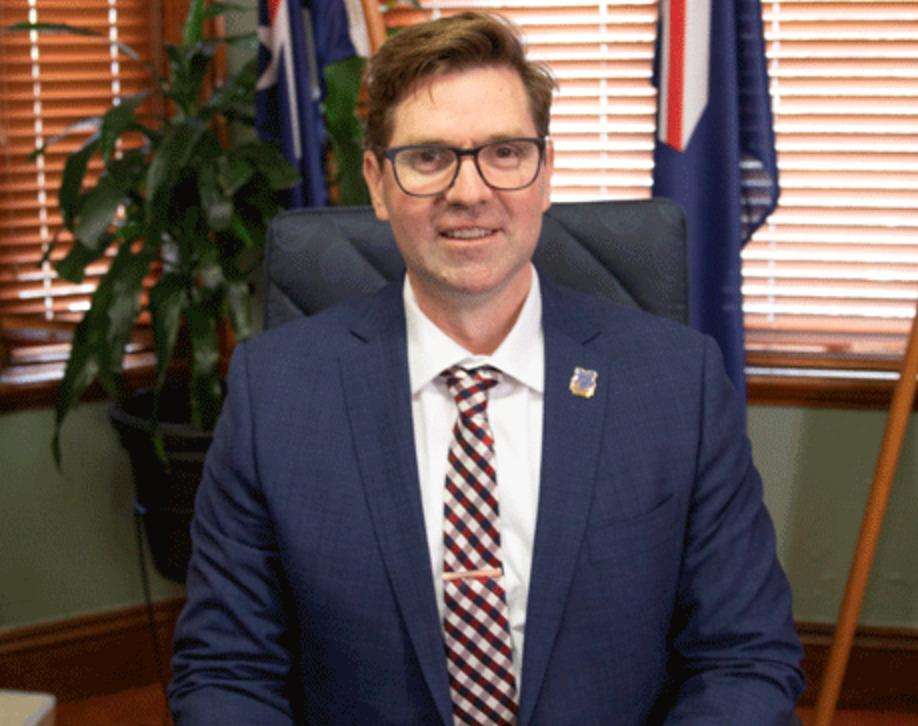
Mayor Geoff McDonald said the budget aims to balance responsible financial management with the need to continue delivering high-quality services to residents. He acknowledged that no rate increase is welcomed by households but argued that council must ensure it has sufficient revenue to maintain critical infrastructure and provide services expected by the community.
Council officials noted that cost increases affecting local governments have mirrored those experienced across the broader economy, including higher prices for construction materials, fuel, electricity and contractor services. Without additional revenue, they said, maintaining existing assets and delivering new projects would become increasingly difficult.
Despite the increase, councillors emphasised that financial assistance and hardship arrangements remain available for eligible ratepayers experiencing financial difficulty. Residents struggling to pay their rates are encouraged to contact the council to discuss payment plans and support options.
The adopted budget also outlines continued investment in economic development initiatives designed to attract new businesses and create employment opportunities throughout the region. Council believes strategic infrastructure spending will help support long-term economic growth while improving liveability for residents.
Reaction from the community has been mixed. Some residents have accepted the increase as an unavoidable consequence of inflation and rising costs, while others argue local governments should identify further efficiencies before asking households to contribute more.
Business groups and community organisations will also be watching how the additional revenue is invested, particularly in transport, recreation facilities and infrastructure projects that support economic activity throughout the region.
With the budget now formally adopted, the new rates will take effect during the 2026–27 financial year. Council says it will continue monitoring economic conditions and prioritising spending to ensure services are maintained while delivering value for ratepayers.
CouncilServicesBudgetIncreaseInfrastructure
Ratepayers across the Toowoomba Region are set to pay higher council rates after the Toowoomba Regional Council adopted its 2026–27 budget, introducing an average annual increase of about $120 for residential property owners.
The budget was approved following council deliberations, with officials saying the increase is necessary to help meet rising operational costs while continuing to invest in roads, water infrastructure, parks, waste services and community facilities. According to the council, growing construction costs, inflation and increasing demand for public services have placed significant pressure on local government finances.
For the average homeowner, the increase equates to around $2.30 per week. While council leaders described the rise as measured and necessary, some residents have expressed concern about the added financial burden at a time when many households are already facing higher mortgage repayments, insurance premiums and everyday living expenses.
Council representatives said the budget focuses on maintaining essential infrastructure while preparing the rapidly growing region for future population growth. Planned spending includes upgrades to local roads, bridge maintenance, drainage improvements, sporting facilities, parks, libraries and waste management services. Investment will also continue in water and sewerage infrastructure to ensure reliable services across both urban and rural communities.
Mayor Geoff McDonald said the budget aims to balance responsible financial management with the need to continue delivering high-quality services to residents. He acknowledged that no rate increase is welcomed by households but argued that council must ensure it has sufficient revenue to maintain critical infrastructure and provide services expected by the community.
Council officials noted that cost increases affecting local governments have mirrored those experienced across the broader economy, including higher prices for construction materials, fuel, electricity and contractor services. Without additional revenue, they said, maintaining existing assets and delivering new projects would become increasingly difficult.
Despite the increase, councillors emphasised that financial assistance and hardship arrangements remain available for eligible ratepayers experiencing financial difficulty. Residents struggling to pay their rates are encouraged to contact the council to discuss payment plans and support options.
The adopted budget also outlines continued investment in economic development initiatives designed to attract new businesses and create employment opportunities throughout the region. Council believes strategic infrastructure spending will help support long-term economic growth while improving liveability for residents.
Reaction from the community has been mixed. Some residents have accepted the increase as an unavoidable consequence of inflation and rising costs, while others argue local governments should identify further efficiencies before asking households to contribute more.
Business groups and community organisations will also be watching how the additional revenue is invested, particularly in transport, recreation facilities and infrastructure projects that support economic activity throughout the region.
With the budget now formally adopted, the new rates will take effect during the 2026–27 financial year. Council says it will continue monitoring economic conditions and prioritising spending to ensure services are maintained while delivering value for ratepayers.
A carpentry apprentice in Alice Springs says course cancellations at Charles Darwin University could delay his qualification by up to 12 months because...
A carpentry apprentice in Alice Springs says course cancellations at Charles Darwin University could delay his qualification by up to 12 months because...
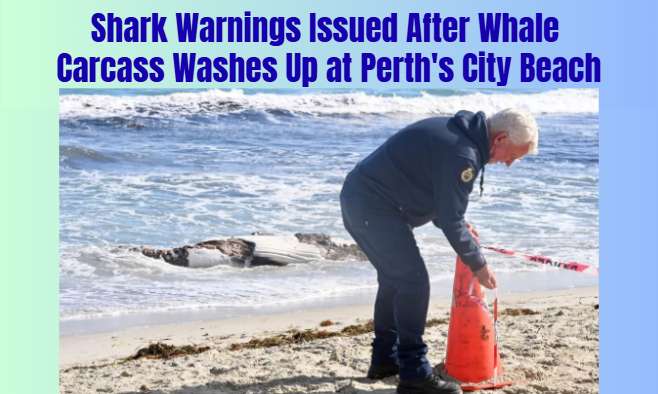
Several sharks have been spotted near a whale carcass that washed ashore at Perth's City Beach, prompting authorities to issue multiple warnings for swi...
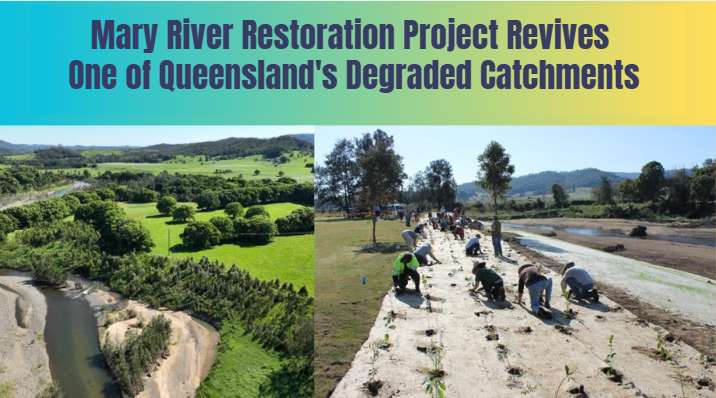
A long-running community restoration effort along Queensland's Mary River is reducing erosion, improving water quality and helping restore habitat for n...
A 50-year-old man has died after being struck by a vehicle in Fernvale, west of Brisbane, with police launching a homicide investigation and arresting a...
Amateur astronomers are using new telescope technology to photograph the Moon, planets and distant galaxies from Brisbane homes, showing that city skies...
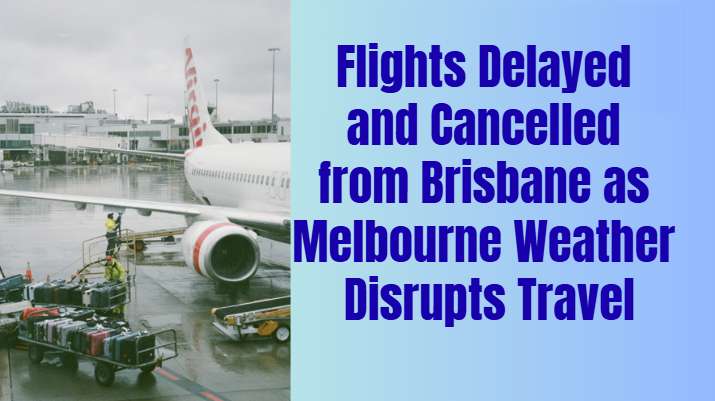
Severe weather in Melbourne has caused flight disruptions from Brisbane, with at least one flight cancelled and other services delayed as passengers tra...
Treasurer Jim Chalmers says the federal budget bottom line has improved by $6 billion compared with the May forecast, while the government faces pressur...
Northern Territory Police are investigating a series of alleged aggravated burglaries in Alice Springs after up to seven homes in the Araluen area were...