Victoria Plans to Ban Smart Glasses in Schools From 2027
By Chloe · Published 22 Oct 2026 · Updated 22 Oct 2026
Melbourne, VIC · Victoria News
Safety note: Admin approval is an initial review, not a guarantee that every detail is correct. Check important or urgent claims with official sources and report anything inaccurate or unsafe.
Source and credit: Contributor's own report
Victoria Plans to Ban Smart Glasses in Schools From 2027 - Melbourne, VIC
Smart summary
The Victorian government says the proposed restriction aims to protect student privacy, reduce classroom distractions and help students focus on learning.
The Victorian government has announced plans to prohibit smart glasses in schools across the state from 2027, citing concerns about student privacy, safety and classroom concentration. The announcement was reported on 22 October 2026 by Education Review.
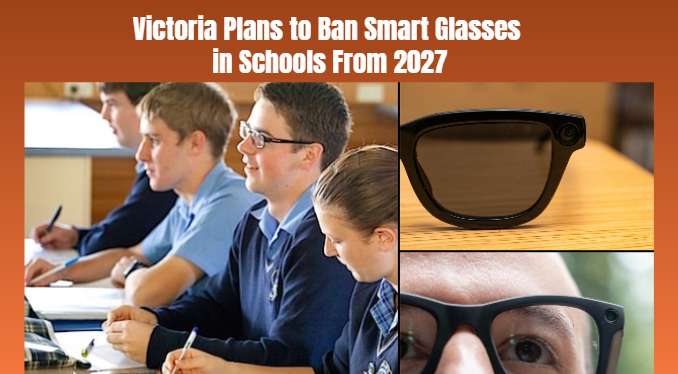
Smart glasses resemble ordinary eyewear but can incorporate cameras, microphones, audio systems and artificial intelligence features. Depending on the model, users may be able to record video, capture photographs, receive spoken information or interact with digital assistants without holding a phone.
The proposed restriction reflects growing concerns among educators about wearable devices that can record people discreetly. Unlike a conventional smartphone, a camera-equipped pair of glasses may not be immediately obvious to other students or teachers when it is being used to capture images or sound.
Reasons behind the proposed restriction Schools are responsible for providing learning environments where students can participate without unnecessary distractions or concerns about being recorded without their knowledge. The Victorian government's announcement focuses on ensuring that students can concentrate on lessons and that families can feel confident about safety at school.
Smart glasses can create additional challenges for teachers because some devices allow recording while the wearer appears to be looking directly at a person or classroom activity. This may make it harder for students and staff to know when a recording is taking place.
Privacy is particularly important in classrooms, changing areas, counselling settings and other school environments where children may reasonably expect that personal information and images will not be captured or shared without appropriate permission.
The growing use of artificial intelligence in wearable devices has also increased attention on how information is collected, processed and potentially transmitted to external services. Impact on students and teachers If implemented, the restriction would require schools to communicate the new rules to students, families and staff before the 2027 school year. School leaders may need to update device policies and establish consistent procedures for dealing with prohibited wearable technology.
Teachers could benefit from clearer expectations about recording devices and fewer concerns about students using wearable technology during lessons. The policy may also help reduce the risk of unauthorised recordings being shared online.
However, schools will need to communicate the rules carefully so that students understand the distinction between prohibited smart glasses and ordinary prescription eyewear. Students who require assistive technology may also need appropriate arrangements, depending on the final policy. Wider debate about wearable technology Smart glasses are part of a broader shift towards devices that combine everyday objects with digital technology. Manufacturers are increasingly incorporating cameras, voice assistants and AI-powered features into eyewear, watches and other wearable products.
These products can offer legitimate benefits, including hands-free communication and accessibility support. At the same time, their use in environments involving children raises questions about consent, data protection and responsible technology use.
Schools around Australia are considering how existing mobile-phone and digital-device policies apply to newer technologies. Rules designed for visible devices may not fully address wearable products capable of recording or processing information discreetly. What happens next The Victorian government's announcement establishes its intended direction for school policy, with the proposed restriction due to begin in 2027. Further implementation details will determine how the rules apply across different school settings and how exceptions, if any, will be handled.
The proposal represents an effort to balance technological change with the responsibilities schools have to protect students and maintain productive classrooms. Its practical effectiveness will depend on clear guidance, consistent enforcement and communication with school communities.
StudentsGlassesSchoolSchoolsWearable
The Victorian government has announced plans to prohibit smart glasses in schools across the state from 2027, citing concerns about student privacy, safety and classroom concentration. The announcement was reported on 22 October 2026 by Education Review.
Smart glasses resemble ordinary eyewear but can incorporate cameras, microphones, audio systems and artificial intelligence features. Depending on the model, users may be able to record video, capture photographs, receive spoken information or interact with digital assistants without holding a phone.
The proposed restriction reflects growing concerns among educators about wearable devices that can record people discreetly. Unlike a conventional smartphone, a camera-equipped pair of glasses may not be immediately obvious to other students or teachers when it is being used to capture images or sound.
Reasons behind the proposed restriction Schools are responsible for providing learning environments where students can participate without unnecessary distractions or concerns about being recorded without their knowledge. The Victorian government's announcement focuses on ensuring that students can concentrate on lessons and that families can feel confident about safety at school.
Smart glasses can create additional challenges for teachers because some devices allow recording while the wearer appears to be looking directly at a person or classroom activity. This may make it harder for students and staff to know when a recording is taking place.
Privacy is particularly important in classrooms, changing areas, counselling settings and other school environments where children may reasonably expect that personal information and images will not be captured or shared without appropriate permission.
The growing use of artificial intelligence in wearable devices has also increased attention on how information is collected, processed and potentially transmitted to external services. Impact on students and teachers If implemented, the restriction would require schools to communicate the new rules to students, families and staff before the 2027 school year. School leaders may need to update device policies and establish consistent procedures for dealing with prohibited wearable technology.
Teachers could benefit from clearer expectations about recording devices and fewer concerns about students using wearable technology during lessons. The policy may also help reduce the risk of unauthorised recordings being shared online.
However, schools will need to communicate the rules carefully so that students understand the distinction between prohibited smart glasses and ordinary prescription eyewear. Students who require assistive technology may also need appropriate arrangements, depending on the final policy. Wider debate about wearable technology Smart glasses are part of a broader shift towards devices that combine everyday objects with digital technology. Manufacturers are increasingly incorporating cameras, voice assistants and AI-powered features into eyewear, watches and other wearable products.
These products can offer legitimate benefits, including hands-free communication and accessibility support. At the same time, their use in environments involving children raises questions about consent, data protection and responsible technology use.
Schools around Australia are considering how existing mobile-phone and digital-device policies apply to newer technologies. Rules designed for visible devices may not fully address wearable products capable of recording or processing information discreetly. What happens next The Victorian government's announcement establishes its intended direction for school policy, with the proposed restriction due to begin in 2027. Further implementation details will determine how the rules apply across different school settings and how exceptions, if any, will be handled.
The proposal represents an effort to balance technological change with the responsibilities schools have to protect students and maintain productive classrooms. Its practical effectiveness will depend on clear guidance, consistent enforcement and communication with school communities.
An unconventional mosaic featuring sequins, high heels and discarded beauty items is bringing a celebrated Australian drag performer’s image into the wo...
The Australian government has targeted two North Korean companies and two individuals accused of helping generate revenue for Pyongyang through fraudule...
Australia's expanding battery storage capacity is reshaping the electricity market, storing renewable energy during the day and supplying power during p...
A new agreement between the Victorian and federal governments sets a pathway towards fully funding public schools by 2034, with education leaders cautio...
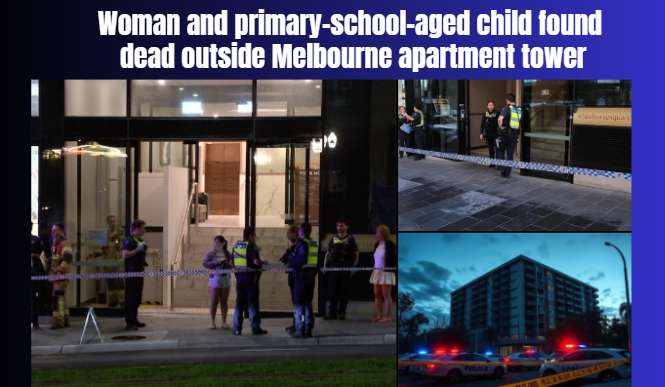
Victoria Police are investigating after a woman and a young child were found unresponsive outside an apartment building in Box Hill, in Melbourne’s east...
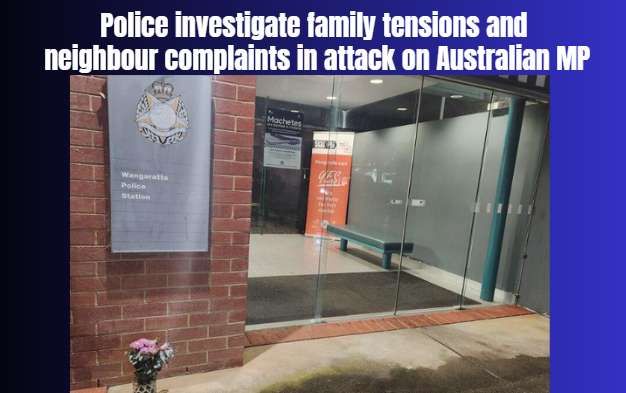
Victoria Police are examining the accused man's family relationships and previous interactions with neighbours as part of their investigation into the a...
Australian authorities have charged three people after allegedly discovering 120 kilograms of cocaine concealed inside furniture shipped from Greece to...
After finishing at the bottom of the ladder in 2023, the Western Bulldogs have rebuilt their playing list and team structure to reach the AFL Women's fi...
Victoria Police are investigating after a woman and a young child were found unresponsive outside an apartment building in Box Hill, in Melbourne’s east...
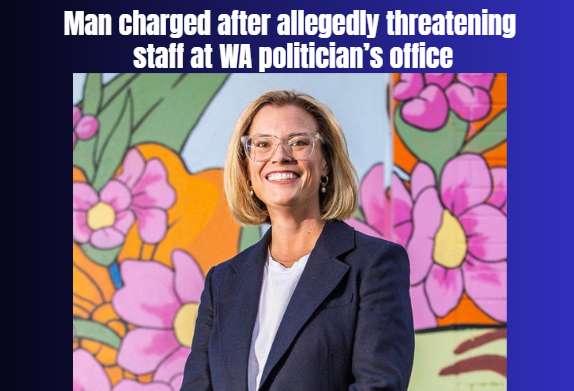
A 56-year-old man has been refused bail after allegedly threatening staff at Western Australian MP Hannah Beazley’s electorate office while carrying a w...
Victoria Police are examining the accused man's family relationships and previous interactions with neighbours as part of their investigation into the a...
Australian authorities have charged three people after allegedly discovering 120 kilograms of cocaine concealed inside furniture shipped from Greece to...