Safety note: Admin approval is an initial review, not a guarantee that every detail is correct. Check important or urgent claims with official sources and report anything inaccurate or unsafe.
Source and credit: Contributor's own report
WA mum shares emotional NICU journey to support other families - Perth, WA
Smart summary
Western Australian mother Jemma Miles has spoken about the emotional challenges of having a premature baby in a neonatal intensive care unit (NICU), hoping her experience will reassure other parents facing similar cir...
Western Australian mother Jemma Miles is using her family's experience in the neonatal intensive care unit (NICU) to raise awareness of the emotional challenges faced by parents of premature and critically ill babies.
Speaking on ABC Radio WA Afternoons, Miles reflected on the uncertainty, fear and resilience that shaped her family's time in hospital after the birth of her baby. She said that while the medical care provided by doctors, nurses and specialists was exceptional, the emotional impact of spending weeks or months in intensive care is something many parents are unprepared for.
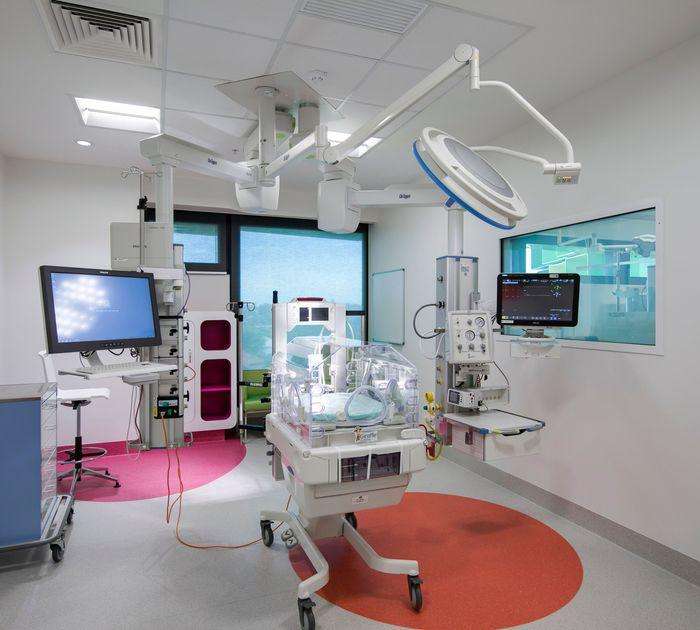
Miles explained that entering the NICU can be overwhelming, with parents suddenly confronted by specialised equipment, constant monitoring, medical terminology and uncertainty about their baby's progress. She described the experience as an emotional rollercoaster, with moments of hope often followed by anxiety as families wait for each milestone in their child's recovery.
She said one of the biggest challenges was adjusting to a different start to parenthood. Instead of immediately taking her baby home, much of her early time as a mother was spent inside the hospital alongside medical staff, learning about specialised care while coping with exhaustion and emotional stress. Everyday milestones that many families take for granted became significant achievements during the NICU journey.
Throughout the experience, Miles found strength through the support of healthcare professionals and other NICU families who understood the unique pressures involved. She said connecting with parents experiencing similar situations helped reduce feelings of isolation and reminded her that she was not facing the journey alone.
The interview also highlighted the critical role neonatal intensive care units play in supporting babies born prematurely or with serious medical complications. Modern NICUs provide highly specialised treatment designed to help vulnerable newborns grow stronger before they are well enough to return home with their families.
Miles hopes that by openly discussing her family's story, other parents currently navigating neonatal care will feel encouraged and understand that the emotional difficulties they experience are both common and valid. She believes sharing personal experiences can help reduce stigma around discussing the mental health challenges associated with complicated births and lengthy hospital stays.
Health professionals also encourage families with babies in neonatal care to seek support whenever needed, whether through hospital social workers, psychologists, parent support organisations or peer networks. Emotional wellbeing is considered an important part of the recovery process for both parents and children.
Although the family's journey was filled with uncertainty, Miles said it also highlighted extraordinary compassion from hospital staff and the resilience that many parents discover during difficult circumstances. Looking back, she hopes her experience offers comfort to families who may currently be spending long days and nights beside their newborns in intensive care, reminding them that they are not alone and that support is available throughout the journey.
CareEmotionalFamiliesParentsMiles
Western Australian mother Jemma Miles is using her family's experience in the neonatal intensive care unit (NICU) to raise awareness of the emotional challenges faced by parents of premature and critically ill babies.
Speaking on ABC Radio WA Afternoons, Miles reflected on the uncertainty, fear and resilience that shaped her family's time in hospital after the birth of her baby. She said that while the medical care provided by doctors, nurses and specialists was exceptional, the emotional impact of spending weeks or months in intensive care is something many parents are unprepared for.
Miles explained that entering the NICU can be overwhelming, with parents suddenly confronted by specialised equipment, constant monitoring, medical terminology and uncertainty about their baby's progress. She described the experience as an emotional rollercoaster, with moments of hope often followed by anxiety as families wait for each milestone in their child's recovery.
She said one of the biggest challenges was adjusting to a different start to parenthood. Instead of immediately taking her baby home, much of her early time as a mother was spent inside the hospital alongside medical staff, learning about specialised care while coping with exhaustion and emotional stress. Everyday milestones that many families take for granted became significant achievements during the NICU journey.
Throughout the experience, Miles found strength through the support of healthcare professionals and other NICU families who understood the unique pressures involved. She said connecting with parents experiencing similar situations helped reduce feelings of isolation and reminded her that she was not facing the journey alone.
The interview also highlighted the critical role neonatal intensive care units play in supporting babies born prematurely or with serious medical complications. Modern NICUs provide highly specialised treatment designed to help vulnerable newborns grow stronger before they are well enough to return home with their families.
Miles hopes that by openly discussing her family's story, other parents currently navigating neonatal care will feel encouraged and understand that the emotional difficulties they experience are both common and valid. She believes sharing personal experiences can help reduce stigma around discussing the mental health challenges associated with complicated births and lengthy hospital stays.
Health professionals also encourage families with babies in neonatal care to seek support whenever needed, whether through hospital social workers, psychologists, parent support organisations or peer networks. Emotional wellbeing is considered an important part of the recovery process for both parents and children.
Although the family's journey was filled with uncertainty, Miles said it also highlighted extraordinary compassion from hospital staff and the resilience that many parents discover during difficult circumstances. Looking back, she hopes her experience offers comfort to families who may currently be spending long days and nights beside their newborns in intensive care, reminding them that they are not alone and that support is available throughout the journey.
Tasmanian homeowners and businesses are facing higher borrowing costs after the Reserve Bank lifted the cash rate to 4.6 per cent, with lower average wa...
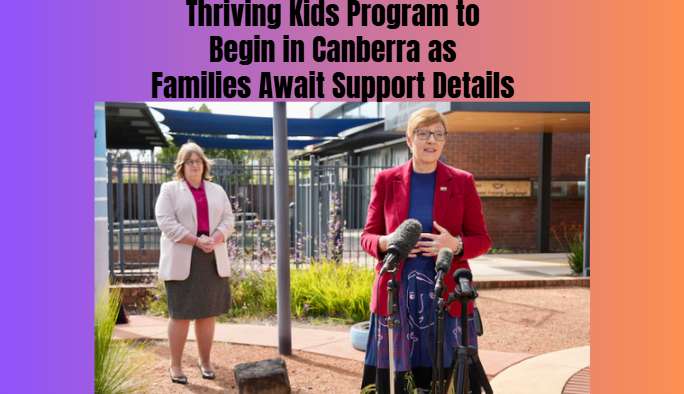
The ACT will begin the first phase of the Thriving Kids program on October 1, providing developmental support pathways for children while concerns remai...
Geelong's historic Botanic Gardens are preparing for their 175th anniversary, with volunteers and horticultural staff working to preserve a living colle...
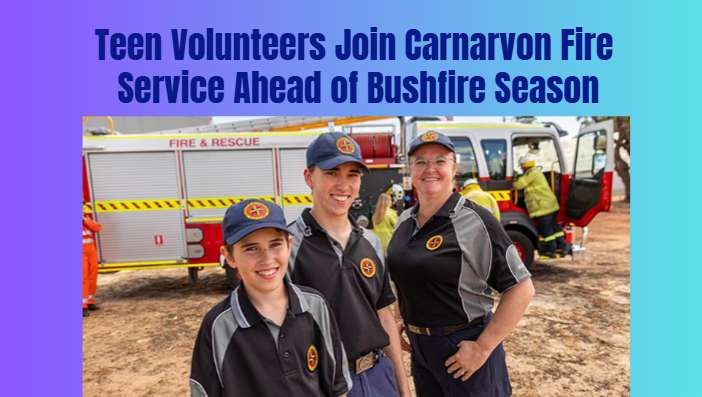
Three high-school students have joined the Carnarvon Volunteer Fire and Rescue Service as the regional organisation works to strengthen its volunteer nu...
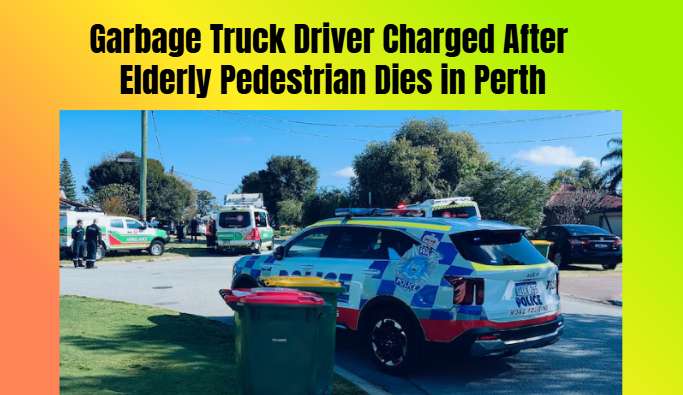
A 59-year-old rubbish-truck driver has been charged with dangerous driving causing death after a 70-year-old man was fatally struck in Queens Park earli...
Police have arrested five people after a man was taken to hospital with a gunshot wound following a serious incident at Moonyoonooka, east of Geraldton,...
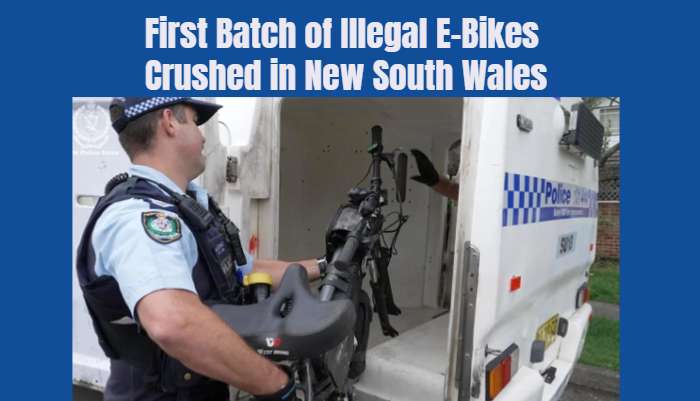
Authorities have crushed 23 confiscated electric bikes in Blacktown under new laws targeting non-compliant e-bikes, following a joint enforcement operat...
Thousands of Victorian doctors and allied health professionals have begun industrial action over stalled negotiations on pay and working conditions, wit...