Safety note: Admin approval is an initial review, not a guarantee that every detail is correct. Check important or urgent claims with official sources and report anything inaccurate or unsafe.
Source and credit: Contributor's own report
Wind Turbine Convoy Puts Growing Pressure on Dubbo’s Golden Highway - Dubbo, NSW
Smart summary
The arrival of massive wind-turbine components has highlighted concerns about whether the Golden Highway can cope with a major increase in oversized freight.
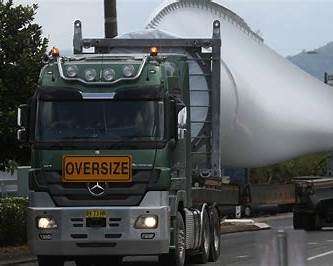
A major wind-turbine transport operation through the Dubbo region is highlighting growing concerns about the capacity and safety of the Golden Highway as renewable-energy development accelerates across western New South Wales.
The convoy is transporting enormous turbine components, including blades measuring about 80 metres long and large tower sections. These movements are among the first of thousands of oversized and overmass freight journeys expected to use the regional road network as major renewable-energy projects progress.
The Golden Highway is a critical freight route connecting Dubbo and the Central West Orana Renewable Energy Zone with the Hunter region and the Port of Newcastle. Its importance is expected to increase significantly as renewable energy, mining, agriculture and critical-minerals projects expand.
Regional Development Australia Orana and Regional Development Australia Hunter have warned that the existing highway infrastructure could come under increasing pressure. Freight volumes are projected to rise substantially over the next decade, with estimates indicating an increase from around 2.5 million tonnes to 6.3 million tonnes.
The enormous size of the turbine components also creates practical challenges for other motorists. Oversized vehicles require additional road space and often travel at slower speeds. This can result in delays, particularly on sections of the highway where overtaking opportunities are limited.
Regional representatives are calling for a coordinated upgrade of the Golden Highway before freight volumes increase further. Proposed improvements include additional overtaking lanes, bridge upgrades, safer intersections and dedicated areas where oversized vehicles can safely pull over.
The issue is particularly important for Dubbo because the city is a major regional transport hub. The surrounding road network supports agricultural producers, businesses, freight operators and communities across western NSW. Any increase in heavy-vehicle traffic therefore has implications beyond the renewable-energy industry.
Supporters of the proposed upgrades argue that infrastructure investment would improve safety while also making the region more attractive for future investment. Better roads could help freight operators move goods more efficiently and reduce delays for everyday motorists.
The turbine convoy provides a visible example of how quickly freight requirements are changing in regional NSW. Renewable-energy projects require large quantities of specialised equipment to be transported from manufacturing and port facilities to construction sites, creating new demands on roads that were not necessarily designed for such loads.
For local residents and motorists, the key concern is ensuring that infrastructure keeps pace with this development. Without sufficient overtaking lanes, suitable stopping areas and upgraded bridges and intersections, increasing heavy-vehicle movements could create congestion and safety challenges.
Regional organisations are therefore urging governments to treat the Golden Highway as an important long-term freight corridor rather than simply responding to individual transport projects.
The current turbine movements could be an early indication of the scale of freight activity Dubbo and surrounding communities may experience in coming years. With major renewable-energy developments continuing across the region, pressure for substantial improvements to the highway is expected to remain a major infrastructure issue.
FreightHighwayRegionalDubboGolden
A major wind-turbine transport operation through the Dubbo region is highlighting growing concerns about the capacity and safety of the Golden Highway as renewable-energy development accelerates across western New South Wales.
The convoy is transporting enormous turbine components, including blades measuring about 80 metres long and large tower sections. These movements are among the first of thousands of oversized and overmass freight journeys expected to use the regional road network as major renewable-energy projects progress.
The Golden Highway is a critical freight route connecting Dubbo and the Central West Orana Renewable Energy Zone with the Hunter region and the Port of Newcastle. Its importance is expected to increase significantly as renewable energy, mining, agriculture and critical-minerals projects expand.
Regional Development Australia Orana and Regional Development Australia Hunter have warned that the existing highway infrastructure could come under increasing pressure. Freight volumes are projected to rise substantially over the next decade, with estimates indicating an increase from around 2.5 million tonnes to 6.3 million tonnes.
The enormous size of the turbine components also creates practical challenges for other motorists. Oversized vehicles require additional road space and often travel at slower speeds. This can result in delays, particularly on sections of the highway where overtaking opportunities are limited.
Regional representatives are calling for a coordinated upgrade of the Golden Highway before freight volumes increase further. Proposed improvements include additional overtaking lanes, bridge upgrades, safer intersections and dedicated areas where oversized vehicles can safely pull over.
The issue is particularly important for Dubbo because the city is a major regional transport hub. The surrounding road network supports agricultural producers, businesses, freight operators and communities across western NSW. Any increase in heavy-vehicle traffic therefore has implications beyond the renewable-energy industry.
Supporters of the proposed upgrades argue that infrastructure investment would improve safety while also making the region more attractive for future investment. Better roads could help freight operators move goods more efficiently and reduce delays for everyday motorists.
The turbine convoy provides a visible example of how quickly freight requirements are changing in regional NSW. Renewable-energy projects require large quantities of specialised equipment to be transported from manufacturing and port facilities to construction sites, creating new demands on roads that were not necessarily designed for such loads.
For local residents and motorists, the key concern is ensuring that infrastructure keeps pace with this development. Without sufficient overtaking lanes, suitable stopping areas and upgraded bridges and intersections, increasing heavy-vehicle movements could create congestion and safety challenges.
Regional organisations are therefore urging governments to treat the Golden Highway as an important long-term freight corridor rather than simply responding to individual transport projects.
The current turbine movements could be an early indication of the scale of freight activity Dubbo and surrounding communities may experience in coming years. With major renewable-energy developments continuing across the region, pressure for substantial improvements to the highway is expected to remain a major infrastructure issue.
Passengers travelling through Sydney Airport on September 24 are being warned to allow extra time as separate strikes involving airport security and gro...
A British traveller was left behind at a remote South Australian roadside stop after her Greyhound bus departed during a scheduled overnight break near...
A badly deteriorated section of Ridley Road between Mannum and Cambrai has raised serious safety concerns, with South Australian authorities acknowledgi...
Prime Minister Anthony Albanese has launched Australia's campaign for a two-year seat on the United Nations Security Council while signing a decade-long...
Passengers travelling through Sydney Airport on September 24 are being warned to allow extra time as separate strikes involving airport security and gro...
Two men have been charged after detectives investigating an alleged large-scale drug supply network seized cocaine, methylamphetamine, MDMA and other it...
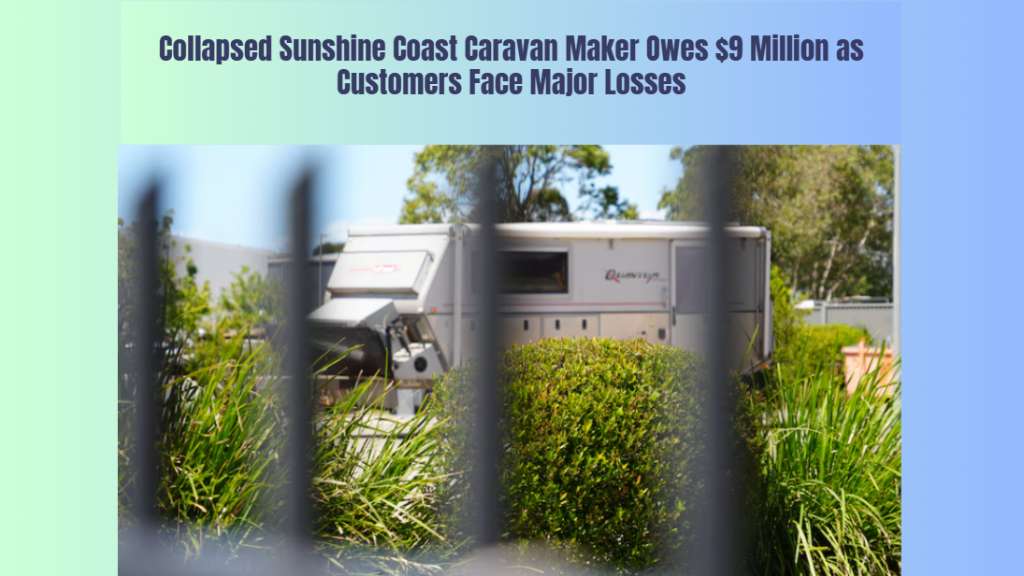
Administrators have revealed Australian Off Road owes about $9 million after the Sunshine Coast caravan manufacturer collapsed, leaving customers, emplo...
A woman has died following a serious three-vehicle collision involving a commercial bus and two cars in Glenburn, in Victoria’s Yarra Ranges, on Thursday, 24 September 2026. Eme...
A woman has died following a serious three-car collision in Leongatha, Victoria, on Wednesday afternoon, 23 September 2026. Emergency services were called to the Strzelecki High...
A Queensland parliamentary committee has completed regional hearings on proposed tougher bail laws, hearing from crime victims, legal experts and commun...