Safety note: Admin approval is an initial review, not a guarantee that every detail is correct. Check important or urgent claims with official sources and report anything inaccurate or unsafe.
Source and credit: Contributor's own report
Young Australians increasingly relying on the 'Bank of Mum and Dad' to buy a home - Sydney, NSW
Smart summary
As house prices continue to outpace wages, growing numbers of young Australians are turning to financial support from parents to secure their first home, with experts warning the trend is widening wealth inequality be...
For many young Australians, saving a deposit through work alone is becoming increasingly difficult, making financial support from parents—commonly known as the "Bank of Mum and Dad"—an essential step towards home ownership rather than an optional advantage. Rising property prices, high rents and increasing living costs have made entering the housing market one of the biggest financial challenges facing younger generations.
Housing experts say today's first-home buyers are effectively in a race against time. Those who receive help from family are often able to purchase property years earlier than their peers, allowing them to benefit from long-term capital growth while avoiding further increases in house prices. Financial modelling suggests that entering the property market even a few years earlier can significantly improve a buyer's long-term financial position.
Support from parents takes many forms. Some families provide cash gifts to help cover a deposit, while others act as loan guarantors or offer early inheritances. In some cases, parents assist with stamp duty, legal fees or mortgage repayments. For many buyers, this support can mean the difference between purchasing a home and remaining in the rental market for several more years.
Many young buyers say there should be no stigma attached to accepting help from parents. They argue that previous generations often received assistance in different forms, such as lower house prices, more affordable education or stronger wage growth. In today's housing market, they believe family support simply reflects the economic realities facing younger Australians rather than a lack of financial discipline.
However, housing economists warn that the growing dependence on parental assistance is creating a widening divide between Australians who have access to family wealth and those who do not. Buyers without financial support often need many more years to save a sufficient deposit while simultaneously paying high rental costs, making it increasingly difficult to compete with better-funded purchasers. Some experts argue this trend risks entrenching intergenerational inequality and making home ownership more dependent on family circumstances than individual earnings.
The growing role of the Bank of Mum and Dad has also raised concerns for parents. Financial advisers recommend families carefully document any loans or gifts provided to children, noting that many arrangements are made informally without written agreements. Experts say clear documentation can help prevent disputes within families and protect both parents' retirement savings and children's financial interests.
Despite these concerns, many families view helping children purchase a home as a practical investment in their future. With housing affordability remaining one of Australia's most significant economic issues, industry observers expect the Bank of Mum and Dad to continue playing a major role in the property market unless broader affordability improves through increased housing supply or sustained income growth.
FinancialManyHousingParentsHome
For many young Australians, saving a deposit through work alone is becoming increasingly difficult, making financial support from parents—commonly known as the "Bank of Mum and Dad"—an essential step towards home ownership rather than an optional advantage. Rising property prices, high rents and increasing living costs have made entering the housing market one of the biggest financial challenges facing younger generations.
Housing experts say today's first-home buyers are effectively in a race against time. Those who receive help from family are often able to purchase property years earlier than their peers, allowing them to benefit from long-term capital growth while avoiding further increases in house prices. Financial modelling suggests that entering the property market even a few years earlier can significantly improve a buyer's long-term financial position.
Support from parents takes many forms. Some families provide cash gifts to help cover a deposit, while others act as loan guarantors or offer early inheritances. In some cases, parents assist with stamp duty, legal fees or mortgage repayments. For many buyers, this support can mean the difference between purchasing a home and remaining in the rental market for several more years.
Many young buyers say there should be no stigma attached to accepting help from parents. They argue that previous generations often received assistance in different forms, such as lower house prices, more affordable education or stronger wage growth. In today's housing market, they believe family support simply reflects the economic realities facing younger Australians rather than a lack of financial discipline.
However, housing economists warn that the growing dependence on parental assistance is creating a widening divide between Australians who have access to family wealth and those who do not. Buyers without financial support often need many more years to save a sufficient deposit while simultaneously paying high rental costs, making it increasingly difficult to compete with better-funded purchasers. Some experts argue this trend risks entrenching intergenerational inequality and making home ownership more dependent on family circumstances than individual earnings.
The growing role of the Bank of Mum and Dad has also raised concerns for parents. Financial advisers recommend families carefully document any loans or gifts provided to children, noting that many arrangements are made informally without written agreements. Experts say clear documentation can help prevent disputes within families and protect both parents' retirement savings and children's financial interests.
Despite these concerns, many families view helping children purchase a home as a practical investment in their future. With housing affordability remaining one of Australia's most significant economic issues, industry observers expect the Bank of Mum and Dad to continue playing a major role in the property market unless broader affordability improves through increased housing supply or sustained income growth.
Armidale Regional Council will replace an ageing cast-iron water main in Ampol and Miller Streets with a modern system, with construction scheduled to b...
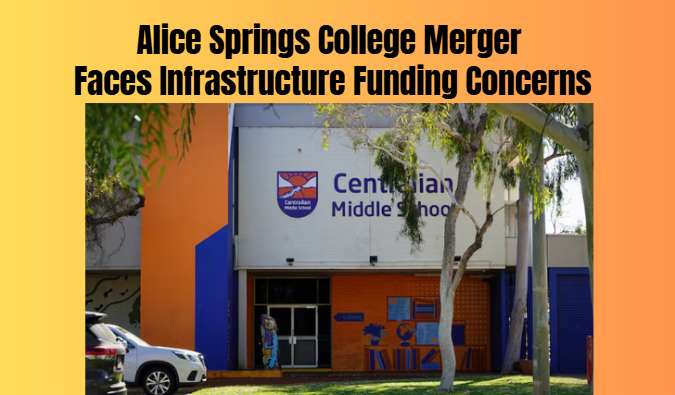
Community and education representatives have raised concerns that the initial $500,000 allocation may not cover the infrastructure upgrades needed for t...
Four public swimming pools across the Central Darling Shire are being opened for unsupervised access this season, with residents required to complete sa...
Ballarat’s redeveloped Mars Stadium has unveiled its expanded seating capacity and upgraded facilities ahead of the return of major AFLW events to the r...
Armidale Regional Council will replace an ageing cast-iron water main in Ampol and Miller Streets with a modern system, with construction scheduled to b...
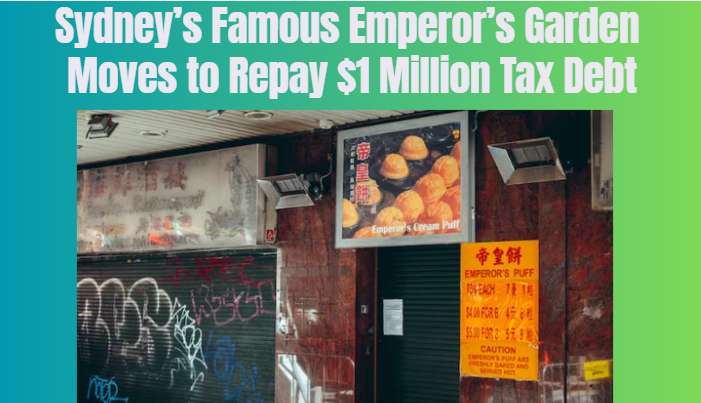
Sydney Chinatown institution Emperor’s Garden has reached an agreement to repay more than $1 million in tax debt, with discussions now underway about re...
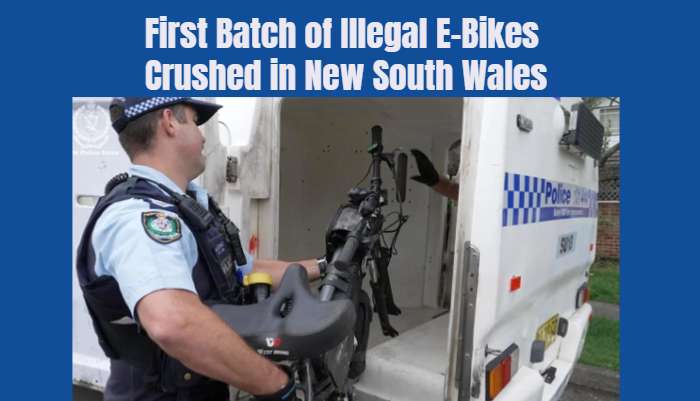
Authorities have crushed 23 confiscated electric bikes in Blacktown under new laws targeting non-compliant e-bikes, following a joint enforcement operat...
Thousands of Victorian doctors and allied health professionals have begun industrial action over stalled negotiations on pay and working conditions, wit...