Safety note: Admin approval is an initial review, not a guarantee that every detail is correct. Check important or urgent claims with official sources and report anything inaccurate or unsafe.
Source and credit: Contributor's own report
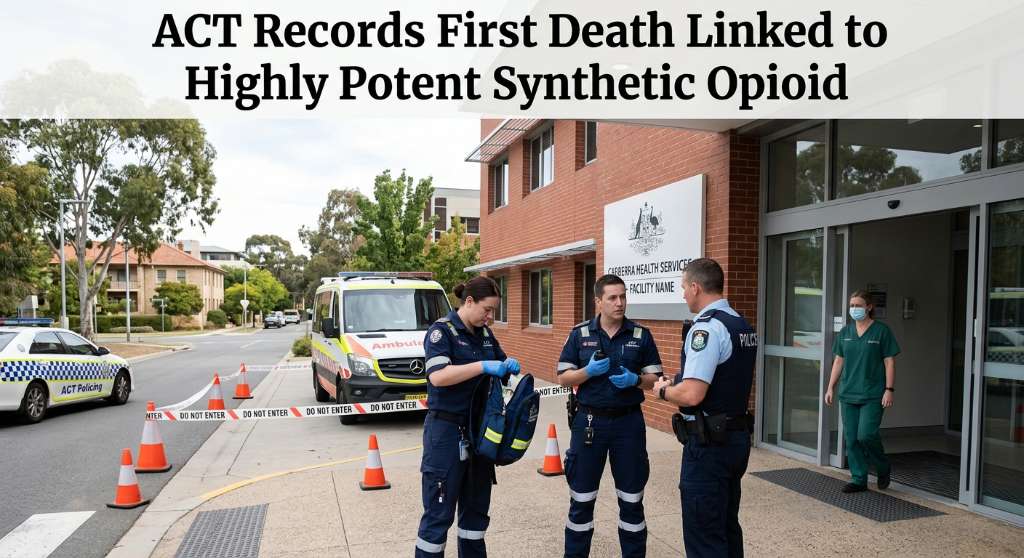
ACT Records First Death Linked to Highly Potent Synthetic Opioid - Canberra, ACT
Smart summary
A Canberra woman has become the first person in the ACT whose death has been linked to a highly potent synthetic opioid, prompting renewed concern about drug-related harm.
A Canberra woman has become the first person in the Australian Capital Territory to have a death linked to a highly potent synthetic opioid, according to newly reported ACT health information. The development has raised concerns about the risks posed by increasingly potent synthetic drugs and the challenges facing health and emergency services.
The death is significant because it represents the first confirmed fatality of this type recorded in the ACT. Synthetic opioids can be considerably more potent than many traditional opioids, meaning very small quantities can potentially result in life-threatening poisoning.
Health authorities have previously warned that people may not always know what substance they have taken, particularly when drugs are sold or supplied illegally. Unexpected contamination or the presence of highly potent synthetic opioids can substantially increase the risk of overdose.
The Canberra case has added urgency to discussions about harm reduction, overdose awareness and access to emergency assistance. People who experience or witness a suspected overdose are encouraged to seek emergency medical help immediately rather than attempting to manage a potentially life-threatening situation themselves.
The emergence of potent synthetic opioids is also a challenge for health systems because the substances can be difficult to identify without specialised testing. Their presence can change rapidly within illicit drug markets, making public health warnings and timely information particularly important.
For Canberra and the wider ACT community, the death serves as a warning that opioid-related risks are not limited to larger Australian cities. Local health services, emergency responders and community organisations continue to monitor drug-related harms and provide information aimed at preventing further deaths.
The case also highlights the importance of recognising overdose symptoms and responding quickly. Opioid poisoning can affect breathing and consciousness, and delays in receiving emergency treatment can have serious consequences.
Authorities and health organisations continue to encourage people to contact emergency services when an overdose is suspected. The immediate priority in such situations is keeping the affected person alive and obtaining professional medical assistance.
The ACT's first recorded death linked to this highly potent synthetic opioid is likely to contribute to further discussion around drug monitoring, public health alerts and harm-reduction measures across Canberra.
This is a genuinely new Canberra development reported today and is different from the two stories already covered above.
HealthPotentSyntheticEmergencyCanberra
A Canberra woman has become the first person in the Australian Capital Territory to have a death linked to a highly potent synthetic opioid, according to newly reported ACT health information. The development has raised concerns about the risks posed by increasingly potent synthetic drugs and the challenges facing health and emergency services.
The death is significant because it represents the first confirmed fatality of this type recorded in the ACT. Synthetic opioids can be considerably more potent than many traditional opioids, meaning very small quantities can potentially result in life-threatening poisoning.
Health authorities have previously warned that people may not always know what substance they have taken, particularly when drugs are sold or supplied illegally. Unexpected contamination or the presence of highly potent synthetic opioids can substantially increase the risk of overdose.
The Canberra case has added urgency to discussions about harm reduction, overdose awareness and access to emergency assistance. People who experience or witness a suspected overdose are encouraged to seek emergency medical help immediately rather than attempting to manage a potentially life-threatening situation themselves.
The emergence of potent synthetic opioids is also a challenge for health systems because the substances can be difficult to identify without specialised testing. Their presence can change rapidly within illicit drug markets, making public health warnings and timely information particularly important.
For Canberra and the wider ACT community, the death serves as a warning that opioid-related risks are not limited to larger Australian cities. Local health services, emergency responders and community organisations continue to monitor drug-related harms and provide information aimed at preventing further deaths.
The case also highlights the importance of recognising overdose symptoms and responding quickly. Opioid poisoning can affect breathing and consciousness, and delays in receiving emergency treatment can have serious consequences.
Authorities and health organisations continue to encourage people to contact emergency services when an overdose is suspected. The immediate priority in such situations is keeping the affected person alive and obtaining professional medical assistance.
The ACT's first recorded death linked to this highly potent synthetic opioid is likely to contribute to further discussion around drug monitoring, public health alerts and harm-reduction measures across Canberra.
This is a genuinely new Canberra development reported today and is different from the two stories already covered above.
Wagga Wagga New South Wales · Breaking News · 16 Sep 2026
Riverina Police have established a dedicated investigation, Strike Force Arctis, following a reported increase in serious property and violent offences across Wagga Wagga. The o...
A serious late-night collision on the Hume Highway in Sydney’s south-west has left several people injured, including children, with one man in critical...
The Federal Government is preparing new measures targeting temporary visas, visa overstayers, international students and visa-hopping, while maintaining...
One Nation’s proposed major reduction in migration has triggered warnings that a sharp cut to population growth could weaken Australia’s economy and cre...
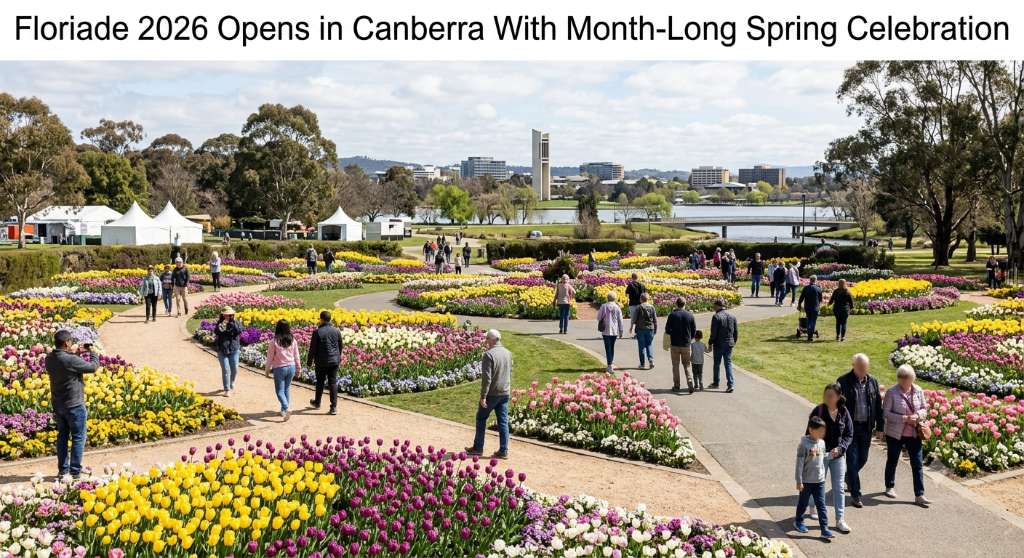
Canberra’s Commonwealth Park has welcomed visitors for the annual Floriade festival, bringing flowers, entertainment and spring activities to the city.
Cairns Regional Council has unanimously voted to seek $400,000 in Queensland Government funding for a program designed to connect local businesses with the region’s growing film...
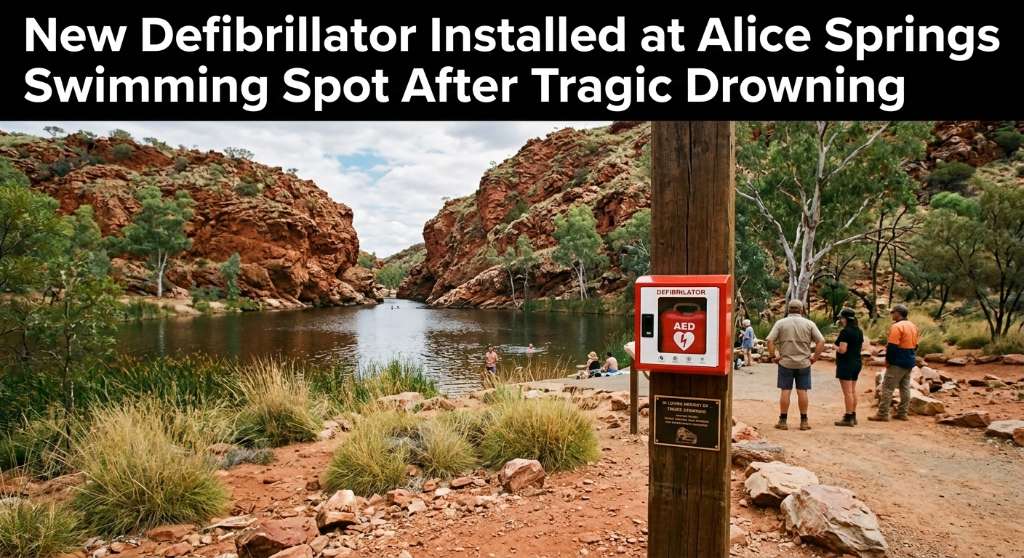
An automated external defibrillator and memorial plaque have been installed at Ellery Creek Big Hole following the death of disability advocate Ellen Fr...
Queensland firefighters spent several hours monitoring a significant grass fire at Mary Kinross Park in Bargara, near Bundaberg, after the blaze broke out on Wednesday evening....