Safety note: Admin approval is an initial review, not a guarantee that every detail is correct. Check important or urgent claims with official sources and report anything inaccurate or unsafe.
Source and credit: Contributor's own report
Australia Moves to Give Users Control Over Social-Media Algorithms - Canberra, ACT
Smart summary
Albanese government proposes a new Digital Duty of Care requiring platforms to let Australians choose between algorithmically recommended feeds and content from accounts they follow.
The Australian federal government has launched a major new proposal to regulate how social-media platforms use algorithms to determine what users see. Prime Minister Anthony Albanese and Communications Minister Anika Wells have released draft Digital Duty of Care legislation, describing it as an effort to give Australians greater control over their online experience while requiring technology companies to take stronger responsibility for foreseeable harms.
The centrepiece of the proposal is an initiative called “My Feed, My Way.” Under the proposed system, Australians aged 16 and over would have to be given a genuine choice about their primary social-media feed. Users could choose to continue receiving an algorithmically personalised feed, where the platform decides what content to recommend based on factors such as engagement and previous activity. Alternatively, they could select a following feed, showing content primarily from people, creators and accounts they have deliberately chosen to follow.
Importantly, users would not be locked into their initial decision. The government says people would be able to change their preference repeatedly, meaning the choice would have to remain available rather than being hidden permanently inside account settings.
The government argues that the proposal is about user empowerment rather than government censorship. Albanese has said the purpose is to shift some control away from large technology companies and put it back into the hands of Australian users. The government believes algorithmic recommendation systems can contribute to the spread of harmful material because platforms are often designed to maximise engagement.
The proposed legislation goes considerably further than simply giving users an algorithmic-feed option. It would establish a broader digital duty of care, requiring online services to take reasonable steps to prevent or minimise foreseeable harms to Australian users. The framework would apply beyond conventional social-media platforms and could cover certain gaming platforms, messaging services, apps and AI chatbots.
Protection against harmful content
The government specifically wants platforms to address content considered harmful to users, particularly children. The proposed framework identifies issues including:
content promoting eating disorders misogynistic material pornography material glorifying crime content associated with serious online harms harmful or illegal material affecting children.
The proposal would also require digital platforms to document the measures they take to address online harms and assess whether those measures continue to work effectively. This is intended to move regulation away from simply responding to individual complaints and toward requiring companies to proactively assess risks.
Greater powers for e Safety
Australia's e Safety Commissioner would receive additional responsibilities and enforcement powers under the broader framework. The proposed reforms include powers to seek the removal of certain harmful material, including material associated with nudify services, while existing cyber-abuse and cyberbullying mechanisms would also be streamlined.
The financial consequences for companies could be substantial. Under the proposed framework, companies could face penalties of around A$109.2 million for serious non-compliance. Reuters reports that the maximum penalty could reach that level for companies that fail to meet the new requirements.
Why the proposal is controversial
The proposal has generated criticism from parts of the Coalition, One Nation, technology companies and free-speech advocates.
The central concern is that giving government regulators greater authority over online platforms could eventually lead to excessive government intervention in online speech. Critics are questioning who ultimately decides what constitutes harmful content and how far regulatory powers should extend.
The government rejects the characterisation that the proposal is intended to control political speech. Its argument is that the legislation focuses on platform design, user safety and harmful content, rather than allowing the government to determine which political opinions Australians can see.
The Greens, meanwhile, have argued that simply allowing users to opt out may not go far enough. The debate therefore exists on both sides: some believe the government is going too far, while others believe it needs to impose stronger obligations on Big Tech.
United States dimension
The proposal has also created an international political issue.
The Trump administration in the United States has criticised Australia's approach, particularly the potential financial penalties affecting large US technology companies. The White House has described some Australian digital measures as problematic for American businesses.
Albanese has rejected the idea that Australia should change its domestic policies because of US pressure. He has emphasised that Australia is a sovereign country and will determine its policies according to the Australian national interest. At the same time, he has said his relationship with US President Donald Trump remains good.
What happens next?
The current proposal is an exposure draft, meaning the process is not yet complete. The government is consulting with stakeholders before the legislation is formally introduced to Parliament later in 2026.
If Parliament ultimately passes the legislation, Australians could see a significant change in how major social-media platforms operate.
The key question is no longer simply whether algorithms should exist. The political debate is increasingly about whether Australians should have a legally protected right to decide how much influence those algorithms have over what they see online.
GovernmentProposalUsersWouldCompanies
The Australian federal government has launched a major new proposal to regulate how social-media platforms use algorithms to determine what users see. Prime Minister Anthony Albanese and Communications Minister Anika Wells have released draft Digital Duty of Care legislation, describing it as an effort to give Australians greater control over their online experience while requiring technology companies to take stronger responsibility for foreseeable harms.
The centrepiece of the proposal is an initiative called “My Feed, My Way.” Under the proposed system, Australians aged 16 and over would have to be given a genuine choice about their primary social-media feed. Users could choose to continue receiving an algorithmically personalised feed, where the platform decides what content to recommend based on factors such as engagement and previous activity. Alternatively, they could select a following feed, showing content primarily from people, creators and accounts they have deliberately chosen to follow.
Importantly, users would not be locked into their initial decision. The government says people would be able to change their preference repeatedly, meaning the choice would have to remain available rather than being hidden permanently inside account settings.
The government argues that the proposal is about user empowerment rather than government censorship. Albanese has said the purpose is to shift some control away from large technology companies and put it back into the hands of Australian users. The government believes algorithmic recommendation systems can contribute to the spread of harmful material because platforms are often designed to maximise engagement.
The proposed legislation goes considerably further than simply giving users an algorithmic-feed option. It would establish a broader digital duty of care, requiring online services to take reasonable steps to prevent or minimise foreseeable harms to Australian users. The framework would apply beyond conventional social-media platforms and could cover certain gaming platforms, messaging services, apps and AI chatbots.
Protection against harmful content
The government specifically wants platforms to address content considered harmful to users, particularly children. The proposed framework identifies issues including:
content promoting eating disorders misogynistic material pornography material glorifying crime content associated with serious online harms harmful or illegal material affecting children.
The proposal would also require digital platforms to document the measures they take to address online harms and assess whether those measures continue to work effectively. This is intended to move regulation away from simply responding to individual complaints and toward requiring companies to proactively assess risks.
Greater powers for e Safety
Australia's e Safety Commissioner would receive additional responsibilities and enforcement powers under the broader framework. The proposed reforms include powers to seek the removal of certain harmful material, including material associated with nudify services, while existing cyber-abuse and cyberbullying mechanisms would also be streamlined.
The financial consequences for companies could be substantial. Under the proposed framework, companies could face penalties of around A$109.2 million for serious non-compliance. Reuters reports that the maximum penalty could reach that level for companies that fail to meet the new requirements.
Why the proposal is controversial
The proposal has generated criticism from parts of the Coalition, One Nation, technology companies and free-speech advocates.
The central concern is that giving government regulators greater authority over online platforms could eventually lead to excessive government intervention in online speech. Critics are questioning who ultimately decides what constitutes harmful content and how far regulatory powers should extend.
The government rejects the characterisation that the proposal is intended to control political speech. Its argument is that the legislation focuses on platform design, user safety and harmful content, rather than allowing the government to determine which political opinions Australians can see.
The Greens, meanwhile, have argued that simply allowing users to opt out may not go far enough. The debate therefore exists on both sides: some believe the government is going too far, while others believe it needs to impose stronger obligations on Big Tech.
United States dimension
The proposal has also created an international political issue.
The Trump administration in the United States has criticised Australia's approach, particularly the potential financial penalties affecting large US technology companies. The White House has described some Australian digital measures as problematic for American businesses.
Albanese has rejected the idea that Australia should change its domestic policies because of US pressure. He has emphasised that Australia is a sovereign country and will determine its policies according to the Australian national interest. At the same time, he has said his relationship with US President Donald Trump remains good.
What happens next?
The current proposal is an exposure draft, meaning the process is not yet complete. The government is consulting with stakeholders before the legislation is formally introduced to Parliament later in 2026.
If Parliament ultimately passes the legislation, Australians could see a significant change in how major social-media platforms operate.
The key question is no longer simply whether algorithms should exist. The political debate is increasingly about whether Australians should have a legally protected right to decide how much influence those algorithms have over what they see online.
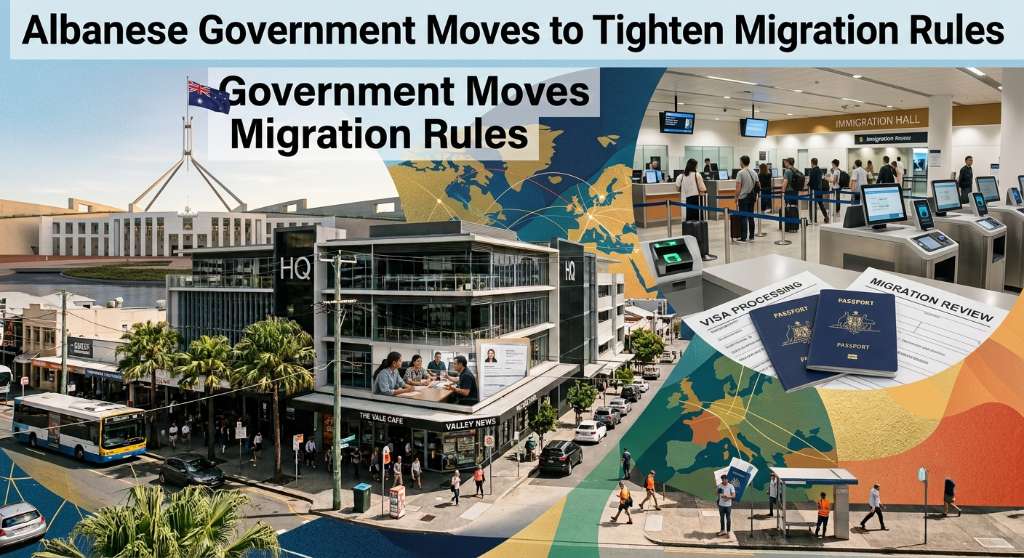
The Federal Government is preparing new measures targeting temporary visas, visa overstayers, international students and visa-hopping, while maintaining...
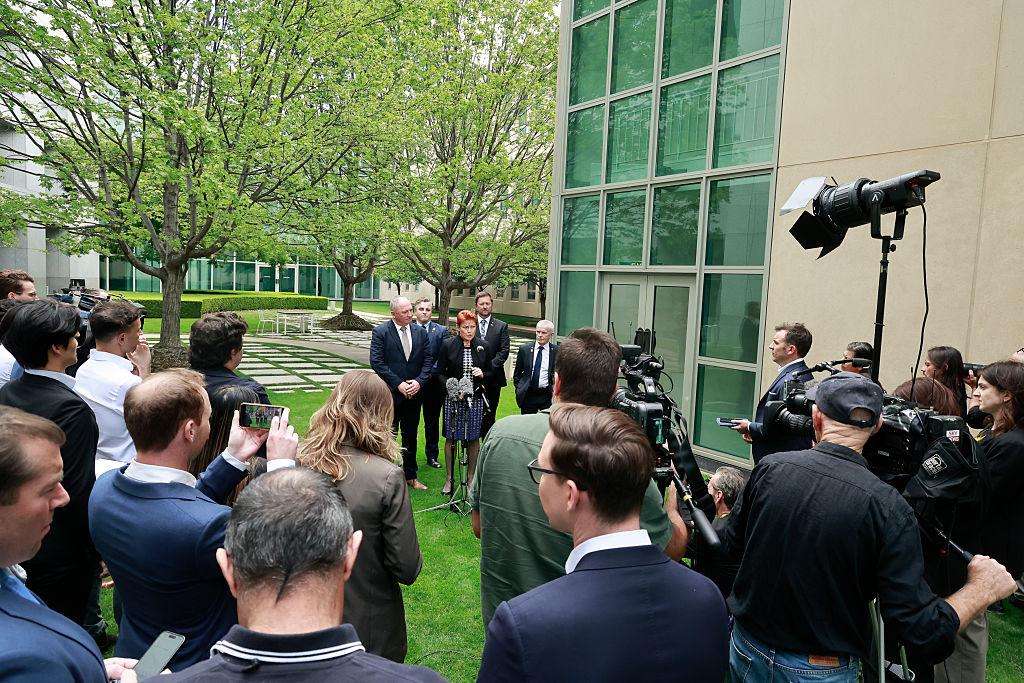
One Nation’s proposed major reduction in migration has triggered warnings that a sharp cut to population growth could weaken Australia’s economy and cre...
The Federal Government is preparing new measures targeting temporary visas, visa overstayers, international students and visa-hopping, while maintaining...
One Nation’s proposed major reduction in migration has triggered warnings that a sharp cut to population growth could weaken Australia’s economy and cre...
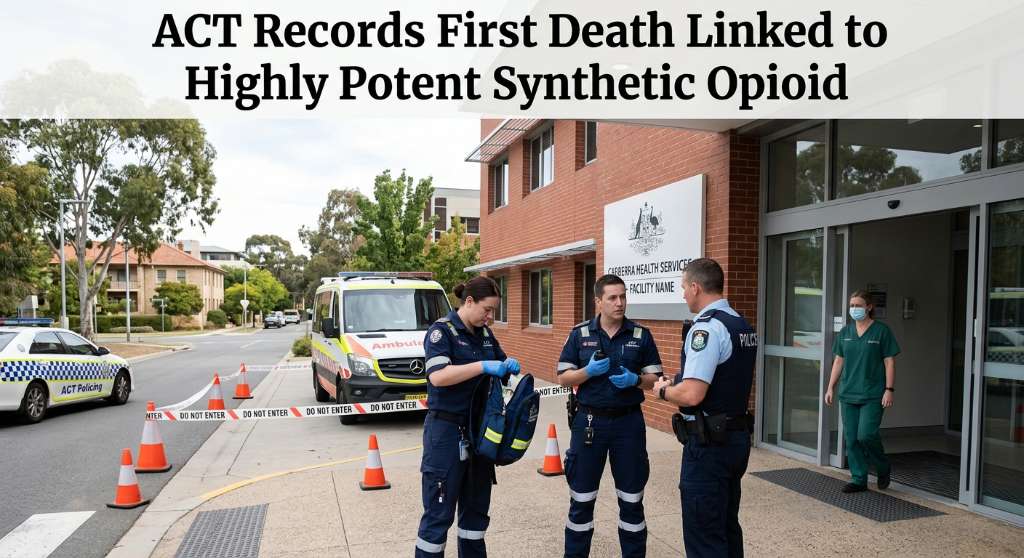
A Canberra woman has become the first person in the ACT whose death has been linked to a highly potent synthetic opioid, prompting renewed concern about...
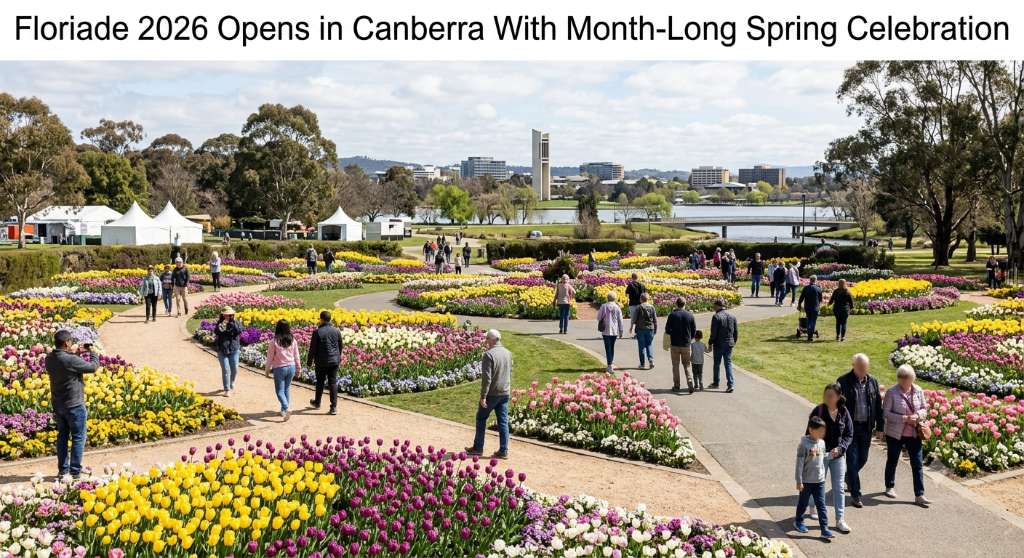
Canberra’s Commonwealth Park has welcomed visitors for the annual Floriade festival, bringing flowers, entertainment and spring activities to the city.
Cairns Regional Council has unanimously voted to seek $400,000 in Queensland Government funding for a program designed to connect local businesses with the region’s growing film...
An automated external defibrillator and memorial plaque have been installed at Ellery Creek Big Hole following the death of disability advocate Ellen Fr...
Queensland firefighters spent several hours monitoring a significant grass fire at Mary Kinross Park in Bargara, near Bundaberg, after the blaze broke out on Wednesday evening....