Australia's First Anthropic-Backed Data Centre Receives Environmental Approval in Queensland
By Chloe · Published 26 Nov 2026 · Updated 26 Nov 2026
Western Downs, QLD
Safety note: Admin approval is an initial review, not a guarantee that every detail is correct. Check important or urgent claims with official sources and report anything inaccurate or unsafe.
Source and credit: Contributor's own report
Australia's First Anthropic-Backed Data Centre Receives Environmental Approval in Queensland - Western Downs, QLD
Smart summary
A proposed $32 billion artificial intelligence data centre in Queensland has received federal environmental approval, paving the way for one of Australia's largest technology infrastructure developments.
A major technology infrastructure project worth approximately $32 billion has received federal environmental approval in Queensland, potentially transforming the Western Downs region into an important centre for Australia's growing artificial intelligence industry.
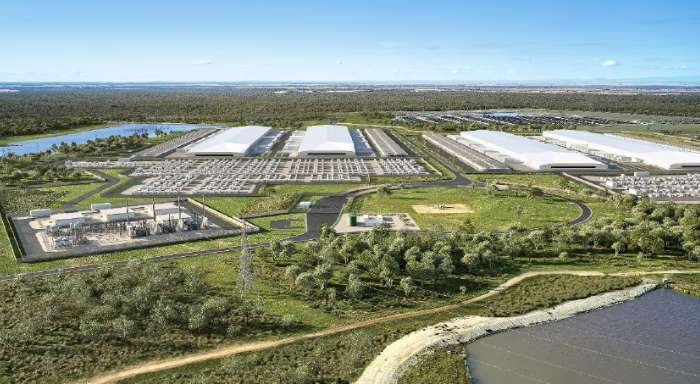
The proposed development, known as the Western Downs Digital Park, is planned near Dalby, approximately 250 kilometres west of Brisbane. The project is being developed by Zerra DC and has attracted international attention because of its proposed scale and connection with artificial intelligence company Anthropic.
On 26 November 2026, the federal government announced that the National Environmental Protection Agency had determined the project was unlikely to have a significant impact on matters of national environmental significance. As a result, the development will not require further federal environmental assessment under the current decision.
The assessment was completed in approximately two months, considerably faster than the average federal approval period for projects in Queensland, which exceeds three years according to a Queensland Productivity Commission report.
The proposed facility is planned for the site of the existing Wambo cattle feedlot near Dalby. It is expected to become Australia's largest proposed data centre, with a total energy capacity equivalent to approximately one-quarter of Queensland's daily electricity consumption.
The project is expected to create thousands of jobs and generate economic opportunities for businesses throughout the region.
Anthropic signed an agreement relating to the data centre hub in September 2026, with plans to begin using the facility in 2027. The agreement highlights Australia's growing importance as a destination for large-scale artificial intelligence infrastructure and digital investment.
Developer Zerra DC welcomed the federal environmental decision and said the Western Downs location was selected because of its existing energy infrastructure, industrial capabilities and potential to minimise impacts on nearby communities.
The company also outlined plans for a long-term community benefits framework. Proposed priorities include investment in local infrastructure, digital education, employment opportunities and support for community-led projects.
However, the development has also generated concerns among local residents and environmental advocates.
One major issue is the project's enormous electricity demand. A Climate Council report published the previous week identified the proposed facility as a potentially significant source of greenhouse gas emissions if its energy requirements are not met through renewable sources.
The report estimated that without renewable energy, the project's emissions could be equivalent to those produced by three million cars annually by 2035.
A community organisation called Western Downs Says Pause has also formed in Dalby to raise concerns about the speed of the development and its potential consequences for the region.
Residents want further consideration of environmental impacts, energy consumption and the long-term effects on local communities before construction progresses.
Despite receiving federal environmental clearance, the project has not received every required approval. It remains subject to Queensland state and local council approval processes.
The development therefore represents an important step for Australia's artificial intelligence industry, but its final construction and operation will depend on the remaining regulatory requirements.
The decision highlights the growing challenge facing Australia as it balances investment in advanced technology with electricity demand, environmental protection and the interests of regional communities.
EnvironmentalProjectFederalProposedQueensland
A major technology infrastructure project worth approximately $32 billion has received federal environmental approval in Queensland, potentially transforming the Western Downs region into an important centre for Australia's growing artificial intelligence industry.
The proposed development, known as the Western Downs Digital Park, is planned near Dalby, approximately 250 kilometres west of Brisbane. The project is being developed by Zerra DC and has attracted international attention because of its proposed scale and connection with artificial intelligence company Anthropic.
On 26 November 2026, the federal government announced that the National Environmental Protection Agency had determined the project was unlikely to have a significant impact on matters of national environmental significance. As a result, the development will not require further federal environmental assessment under the current decision.
The assessment was completed in approximately two months, considerably faster than the average federal approval period for projects in Queensland, which exceeds three years according to a Queensland Productivity Commission report.
The proposed facility is planned for the site of the existing Wambo cattle feedlot near Dalby. It is expected to become Australia's largest proposed data centre, with a total energy capacity equivalent to approximately one-quarter of Queensland's daily electricity consumption.
The project is expected to create thousands of jobs and generate economic opportunities for businesses throughout the region.
Anthropic signed an agreement relating to the data centre hub in September 2026, with plans to begin using the facility in 2027. The agreement highlights Australia's growing importance as a destination for large-scale artificial intelligence infrastructure and digital investment.
Developer Zerra DC welcomed the federal environmental decision and said the Western Downs location was selected because of its existing energy infrastructure, industrial capabilities and potential to minimise impacts on nearby communities.
The company also outlined plans for a long-term community benefits framework. Proposed priorities include investment in local infrastructure, digital education, employment opportunities and support for community-led projects.
However, the development has also generated concerns among local residents and environmental advocates.
One major issue is the project's enormous electricity demand. A Climate Council report published the previous week identified the proposed facility as a potentially significant source of greenhouse gas emissions if its energy requirements are not met through renewable sources.
The report estimated that without renewable energy, the project's emissions could be equivalent to those produced by three million cars annually by 2035.
A community organisation called Western Downs Says Pause has also formed in Dalby to raise concerns about the speed of the development and its potential consequences for the region.
Residents want further consideration of environmental impacts, energy consumption and the long-term effects on local communities before construction progresses.
Despite receiving federal environmental clearance, the project has not received every required approval. It remains subject to Queensland state and local council approval processes.
The development therefore represents an important step for Australia's artificial intelligence industry, but its final construction and operation will depend on the remaining regulatory requirements.
The decision highlights the growing challenge facing Australia as it balances investment in advanced technology with electricity demand, environmental protection and the interests of regional communities.
An Australian-owned energy company has developed a compact nuclear microreactor that reached a major testing milestone in just 155 days in the United St...
Uncovered an Iran-based influence operation that allegedly used artificial intelligence to create a fake journalist and publish misleading articles and...
Education experts warn that miniature cameras, wireless earpieces and artificial intelligence are creating new challenges for universities trying to pro...
Prime Minister Anthony Albanese secures an agreement with Chinese Premier Li Qiang to establish discussions on artificial intelligence, technology coope...
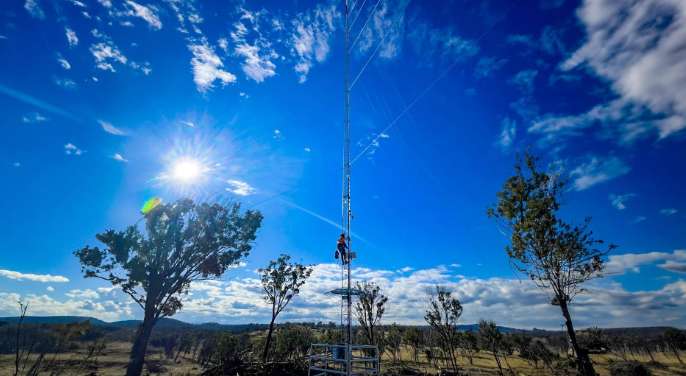
Renewable energy company Vestas has removed a 120-metre wind-monitoring tower from a proposed wind farm site on the Western Downs after local pilots rep...
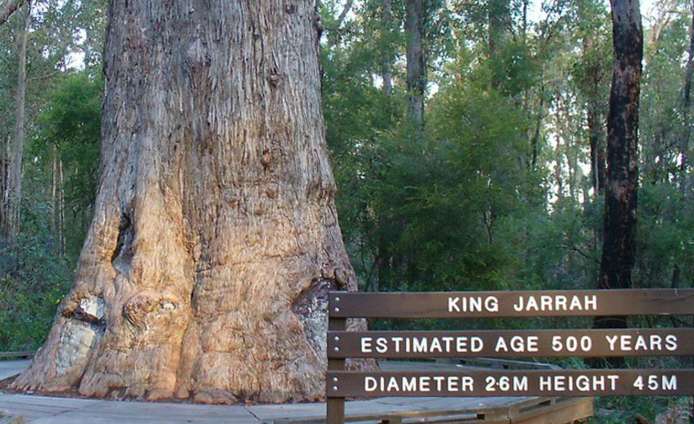
A landmark jarrah tree in Wellington National Park has been cut with a chainsaw near its base, prompting a police investigation and fears that the ancie...
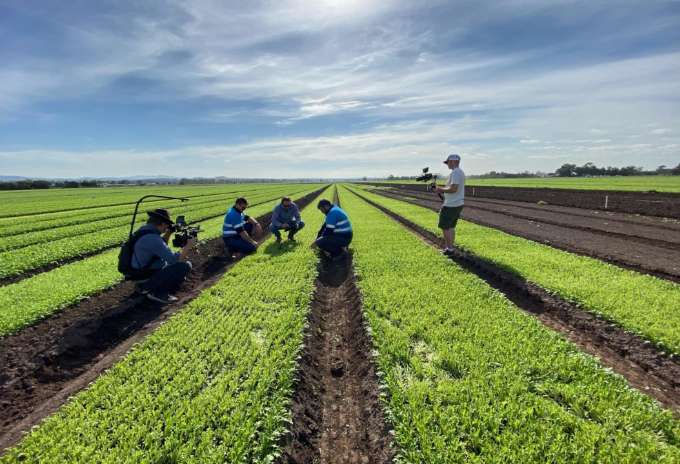
Victoria's Labour Hire Authority has uncovered alleged worker exploitation on three farms near Bairnsdale, with workers reportedly receiving up to 35 pe...
Emergency services are continuing their search for French-born kitesurfer Eric Metrot, who disappeared during a kitesurfing session near Five Finger Ree...
Renewable energy company Vestas has removed a 120-metre wind-monitoring tower from a proposed wind farm site on the Western Downs after local pilots rep...
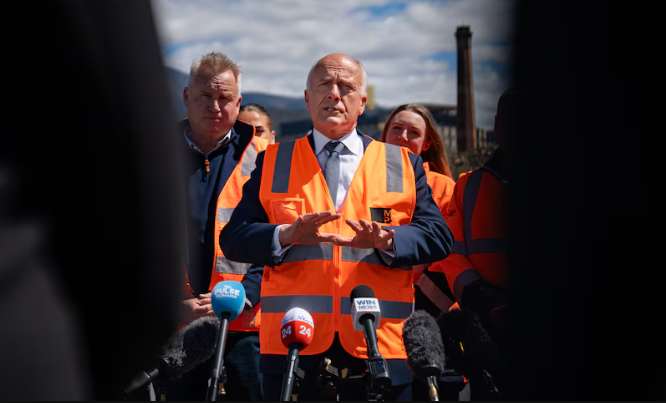
Tasmania's government expects to continue building the Macquarie Point stadium even if it cannot secure additional money from the federal government or...
A landmark jarrah tree in Wellington National Park has been cut with a chainsaw near its base, prompting a police investigation and fears that the ancie...
Victoria's Labour Hire Authority has uncovered alleged worker exploitation on three farms near Bairnsdale, with workers reportedly receiving up to 35 pe...