Australian Citizen Wrongfully Held in Immigration Detention for 945 Days
By Neha · Published 15 Oct 2026 · Updated 15 Oct 2026
Canberra, ACT · ACT News
Safety note: Admin approval is an initial review, not a guarantee that every detail is correct. Check important or urgent claims with official sources and report anything inaccurate or unsafe.
Source and credit: Contributor's own report
Australian Citizen Wrongfully Held in Immigration Detention for 945 Days - Canberra, ACT
Smart summary
A Commonwealth Ombudsman report identifies an Australian citizen who spent more than two and a half years in immigration detention because citizenship laws were incorrectly applied.
An Australian citizen was unlawfully held in immigration detention for 945 days after government authorities incorrectly applied citizenship laws, according to findings reported by the Commonwealth Ombudsman. The case has renewed scrutiny of Australia's immigration detention procedures, citizenship records and safeguards against administrative errors.
The individual, identified in the report as Mx B, was born in Australia to New Zealand parents. According to the findings, the person should have acquired Australian citizenship automatically on their tenth birthday under the applicable citizenship legislation. However, inadequate record-keeping meant that their citizenship was not properly recognised.
The consequences continued for years. Mx B was convicted of criminal offences and sentenced in 2010. During that period, the Department of Home Affairs cancelled their visa on character grounds. After the individual was released from prison in 2022, authorities placed them in immigration detention on the basis of their immigration status.
The Ombudsman's findings indicate that the detention was unlawful because Mx B was already an Australian citizen. The person was eventually released on strict conditions in April 2025, after spending approximately two and a half years in detention. The case demonstrates the serious consequences that can arise when citizenship information is incomplete or incorrectly recorded. Immigration decisions depend on accurate records and the correct application of legislation. When those processes fail, an individual can lose their liberty even when the legal basis for detention does not exist.
The report identified 30 cases of unlawful immigration detention between July 2024 and June 2025. According to the published account, many of the cases involved delays in communicating visa approvals to the relevant department. Such administrative problems can have significant effects when decisions about a person's legal status determine whether they remain in detention.
The Ombudsman's review raises questions about how government departments share information, check citizenship claims and respond when a person's legal status is disputed. Reliable record-keeping and effective internal review mechanisms are essential to preventing similar cases.
The findings also highlight the importance of timely access to legal advice and independent oversight for people in immigration detention. People affected by detention decisions need clear information about the reasons for those decisions and a practical way to challenge errors.
According to the report, none of the 30 people identified in the relevant cases had filed compensation claims against the government at the time covered by the findings. That does not establish whether compensation would be available in any particular case, but it illustrates that unlawful detention does not automatically result in a compensation claim.
The case of Mx B is particularly serious because the detention stemmed from the failure to recognise citizenship, rather than simply a dispute over an ordinary visa application. It shows why government agencies must verify legal status carefully before continuing to detain someone.
Further scrutiny may focus on whether existing administrative safeguards are sufficient, whether information-sharing procedures need improvement and how authorities ensure errors are corrected promptly.
The central finding remains that an Australian citizen was detained unlawfully for 945 days because their citizenship had not been properly recognised. The case raises significant questions about accountability, administrative accuracy and the protection of individual rights.
DetentionCitizenshipImmigrationCaseFindings
An Australian citizen was unlawfully held in immigration detention for 945 days after government authorities incorrectly applied citizenship laws, according to findings reported by the Commonwealth Ombudsman. The case has renewed scrutiny of Australia's immigration detention procedures, citizenship records and safeguards against administrative errors.
The individual, identified in the report as Mx B, was born in Australia to New Zealand parents. According to the findings, the person should have acquired Australian citizenship automatically on their tenth birthday under the applicable citizenship legislation. However, inadequate record-keeping meant that their citizenship was not properly recognised.
The consequences continued for years. Mx B was convicted of criminal offences and sentenced in 2010. During that period, the Department of Home Affairs cancelled their visa on character grounds. After the individual was released from prison in 2022, authorities placed them in immigration detention on the basis of their immigration status.
The Ombudsman's findings indicate that the detention was unlawful because Mx B was already an Australian citizen. The person was eventually released on strict conditions in April 2025, after spending approximately two and a half years in detention. The case demonstrates the serious consequences that can arise when citizenship information is incomplete or incorrectly recorded. Immigration decisions depend on accurate records and the correct application of legislation. When those processes fail, an individual can lose their liberty even when the legal basis for detention does not exist.
The report identified 30 cases of unlawful immigration detention between July 2024 and June 2025. According to the published account, many of the cases involved delays in communicating visa approvals to the relevant department. Such administrative problems can have significant effects when decisions about a person's legal status determine whether they remain in detention.
The Ombudsman's review raises questions about how government departments share information, check citizenship claims and respond when a person's legal status is disputed. Reliable record-keeping and effective internal review mechanisms are essential to preventing similar cases.
The findings also highlight the importance of timely access to legal advice and independent oversight for people in immigration detention. People affected by detention decisions need clear information about the reasons for those decisions and a practical way to challenge errors.
According to the report, none of the 30 people identified in the relevant cases had filed compensation claims against the government at the time covered by the findings. That does not establish whether compensation would be available in any particular case, but it illustrates that unlawful detention does not automatically result in a compensation claim.
The case of Mx B is particularly serious because the detention stemmed from the failure to recognise citizenship, rather than simply a dispute over an ordinary visa application. It shows why government agencies must verify legal status carefully before continuing to detain someone.
Further scrutiny may focus on whether existing administrative safeguards are sufficient, whether information-sharing procedures need improvement and how authorities ensure errors are corrected promptly.
The central finding remains that an Australian citizen was detained unlawfully for 945 days because their citizenship had not been properly recognised. The case raises significant questions about accountability, administrative accuracy and the protection of individual rights.
The Australian Greens say the concerns are being taken seriously and call for a fair, independent review of allegations concerning the Western Australia...
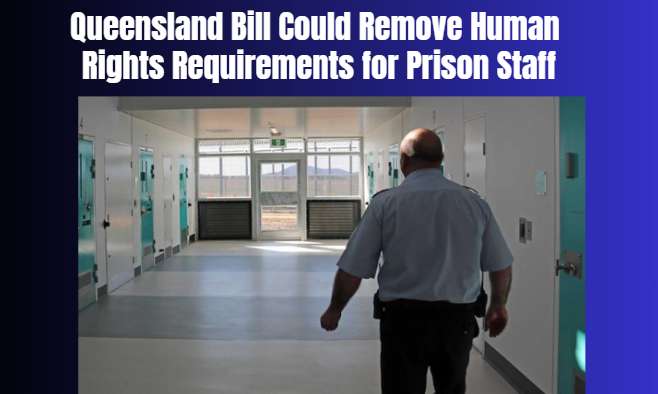
A proposed Queensland law would exempt corrective services staff from having to consider prisoners’ human rights when making certain decisions. Supporte...
A Tasmanian local-government conduct panel found that long-serving Glenorchy councillor Peter Ridler breached the council’s code of conduct through inap...
The Victorian Liberal Party has replaced Grant Hutchinson as its candidate for the marginal seat of Croydon, with opposition leader Jess Wilson citing n...
Australia’s Foreign Minister has criticised the postponement of Palestinian elections, warning that continued delays could undermine democratic accounta...
New government analysis estimates that 78,000 Australians aged 65 and over could leave private health insurance by 2030 if proposed changes to the rebat...
A 36-year-old man has been charged following two alleged hammer attacks on elderly men in Eastwood, Sydney’s north-west. One victim, aged 75, was report...
Northern Territory Police have charged a 26-year-old man with murder following the death of a 16-year-old girl in the remote community of Alpurrurulam,...
The Northern Territory government plans to introduce legislation requiring future operators of Darwin Private Hospital to provide private maternity serv...
A 67-year-old man employed as a speed camera operator has been charged with reckless driving after allegedly overtaking a road train in a way that force...