Australian Coalition Announces $31 Billion in Proposed Spending Cuts
By Chloe · Published 26 Oct 2026 · Updated 26 Oct 2026
Canberra, ACT · ACT News
Safety note: Admin approval is an initial review, not a guarantee that every detail is correct. Check important or urgent claims with official sources and report anything inaccurate or unsafe.
Source and credit: Contributor's own report
Australian Coalition Announces $31 Billion in Proposed Spending Cuts - Canberra, ACT
Smart summary
Opposition Leader Angus Taylor has outlined proposed savings of $31.3 billion over four years, targeting climate programs, housing initiatives and some welfare eligibility rules. The Coalition says the savings would h...
Australia’s federal opposition Coalition announced a proposed $31.3 billion in government spending cuts over four years on 26 October 2026, outlining plans to reverse several climate, housing and welfare policies introduced or supported by the Labor government.
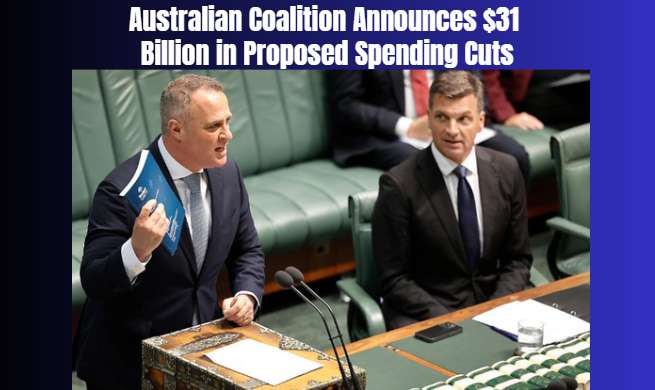
Opposition Leader Angus Taylor and Shadow Treasurer Tim Wilson presented the costings in Canberra. The Coalition said the proposed savings would help fund its income tax policy, which includes indexing income tax brackets to inflation and removing the $250 workers’ tax offset.
The figures were assessed by the independent Parliamentary Budget Office. However, the published costings cover only part of the Coalition’s broader policy commitments and do not account for all its proposed spending and tax changes. <Cite refs={["turn422579search0","turn422579search9"]}/>
Climate and energy programs account for more than half of the proposed savings. The Coalition estimates it could save $9.4 billion by reversing measures including the new vehicle efficiency standard, electric vehicle incentives, home battery subsidies and selected climate reporting requirements. A further $7.3 billion is attributed to ending industrial support for initiatives involving green aluminium, hydrogen, critical minerals and other projects funded through the National Reconstruction Fund.
Housing policy is another major target. The Coalition estimates that abandoning the Help to Buy shared-equity scheme, the social housing fund, build-to-rent tax incentives and payments to states meeting housing supply targets would save approximately $4.7 billion over four years.
The proposed changes would also restrict welfare payments and access to the National Disability Insurance Scheme for permanent residents and certain other non-citizens. The Coalition estimates that these restrictions could save another $2 billion over four years. The practical effects would depend on the final eligibility rules and how any changes were implemented.
Taylor argued that controlling government expenditure was necessary to address inflation and ease pressure on households. The opposition has linked elevated public spending with the cost of living and mortgage pressures, presenting its proposed savings as part of a broader economic policy.
Treasurer Jim Chalmers disputed the Coalition’s argument that government spending was responsible for persistent inflation. He said the government was budgeting responsibly and noted that private demand was growing faster than public demand. Chalmers also indicated that the government would announce further savings measures in December.
The announcement comes as the Reserve Bank of Australia prepares for its next monetary policy meeting, where interest rates will be considered. Inflation and household borrowing costs remain central issues in the debate between the government and opposition.
The proposed package has limitations. Although the costings indicate that the identified savings would exceed the estimated $9.7 billion cost of the Coalition’s income tax policy, they do not fully cover the cost of all its other commitments. These include proposed migration changes, additional defence spending and further tax measures.
The debate therefore concerns both the scale of potential savings and the consequences of reversing existing programs. Supporters of the Coalition’s approach argue that reducing expenditure could improve budget discipline, while critics may question the impact on housing affordability, clean-energy investment, disability support and household assistance.
No changes described in the announcement automatically take effect simply because the Coalition has released its proposals. Any policy implemented by a future government would require the relevant decisions, legislation or administrative changes.
The announcement marks a new stage in the federal debate over spending, taxation, inflation and public services as both major political sides present competing approaches to managing Australia’s economy.
CoalitionProposedGovernmentBillionPolicy
Australia’s federal opposition Coalition announced a proposed $31.3 billion in government spending cuts over four years on 26 October 2026, outlining plans to reverse several climate, housing and welfare policies introduced or supported by the Labor government.
Opposition Leader Angus Taylor and Shadow Treasurer Tim Wilson presented the costings in Canberra. The Coalition said the proposed savings would help fund its income tax policy, which includes indexing income tax brackets to inflation and removing the $250 workers’ tax offset.
The figures were assessed by the independent Parliamentary Budget Office. However, the published costings cover only part of the Coalition’s broader policy commitments and do not account for all its proposed spending and tax changes. <Cite refs={["turn422579search0","turn422579search9"]}/>
Climate and energy programs account for more than half of the proposed savings. The Coalition estimates it could save $9.4 billion by reversing measures including the new vehicle efficiency standard, electric vehicle incentives, home battery subsidies and selected climate reporting requirements. A further $7.3 billion is attributed to ending industrial support for initiatives involving green aluminium, hydrogen, critical minerals and other projects funded through the National Reconstruction Fund.
Housing policy is another major target. The Coalition estimates that abandoning the Help to Buy shared-equity scheme, the social housing fund, build-to-rent tax incentives and payments to states meeting housing supply targets would save approximately $4.7 billion over four years.
The proposed changes would also restrict welfare payments and access to the National Disability Insurance Scheme for permanent residents and certain other non-citizens. The Coalition estimates that these restrictions could save another $2 billion over four years. The practical effects would depend on the final eligibility rules and how any changes were implemented.
Taylor argued that controlling government expenditure was necessary to address inflation and ease pressure on households. The opposition has linked elevated public spending with the cost of living and mortgage pressures, presenting its proposed savings as part of a broader economic policy.
Treasurer Jim Chalmers disputed the Coalition’s argument that government spending was responsible for persistent inflation. He said the government was budgeting responsibly and noted that private demand was growing faster than public demand. Chalmers also indicated that the government would announce further savings measures in December.
The announcement comes as the Reserve Bank of Australia prepares for its next monetary policy meeting, where interest rates will be considered. Inflation and household borrowing costs remain central issues in the debate between the government and opposition.
The proposed package has limitations. Although the costings indicate that the identified savings would exceed the estimated $9.7 billion cost of the Coalition’s income tax policy, they do not fully cover the cost of all its other commitments. These include proposed migration changes, additional defence spending and further tax measures.
The debate therefore concerns both the scale of potential savings and the consequences of reversing existing programs. Supporters of the Coalition’s approach argue that reducing expenditure could improve budget discipline, while critics may question the impact on housing affordability, clean-energy investment, disability support and household assistance.
No changes described in the announcement automatically take effect simply because the Coalition has released its proposals. Any policy implemented by a future government would require the relevant decisions, legislation or administrative changes.
The announcement marks a new stage in the federal debate over spending, taxation, inflation and public services as both major political sides present competing approaches to managing Australia’s economy.
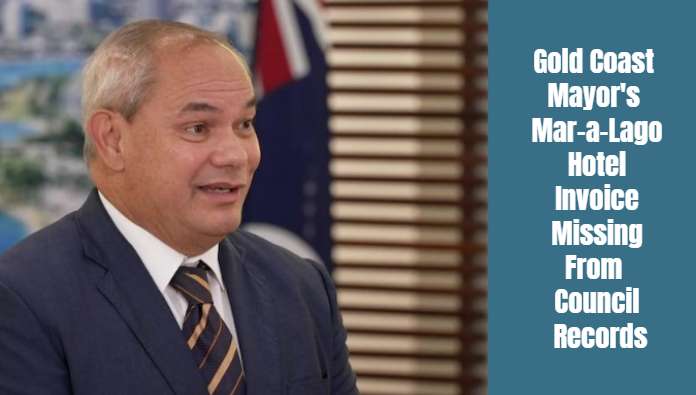
A freedom of information request has revealed that Gold Coast Council does not hold a copy of the invoice for Mayor Tom Tate's three-day stay at Donald...
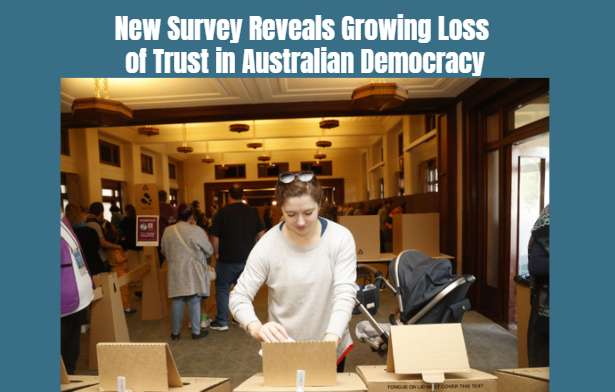
A nationwide survey of 4,000 Australians reveals declining confidence in politicians, growing dissatisfaction with democracy and significant differences...
New figures reveal more than $3 million in government spending on promotional merchandise, including unusual items such as condoms and lollies, raising...
Australia's antisemitism envoy has recommended stronger protest rules, additional visa checks and independent oversight of public broadcasters as part o...
The Australian government has launched a parliamentary investigation into whether Australia Post is keeping up with changing customer needs as tradition...
A psychiatric report presented to South Australia's Supreme Court has raised questions about Tamika Chesser's mental competence in the case involving th...
A freedom of information request has revealed that Gold Coast Council does not hold a copy of the invoice for Mayor Tom Tate's three-day stay at Donald...