Safety note: Admin approval is an initial review, not a guarantee that every detail is correct. Check important or urgent claims with official sources and report anything inaccurate or unsafe.
Source and credit: Contributor's own report
Australian Government Reports $6 Billion Improvement in Budget Deficit - Canberra, ACT
Smart summary
Treasurer Jim Chalmers says the federal budget bottom line has improved by $6 billion compared with the May forecast, while the government faces pressure over inflation and expected higher interest rates.
Australia’s federal government has reported a $6 billion improvement in the underlying budget deficit compared with the forecast contained in the May 2026 Budget.
Treasurer Jim Chalmers confirmed the result on September 28, saying the underlying deficit was $22.3 billion, compared with the $28.3 billion figure previously forecast. The improvement was attributed largely to stronger-than-expected receipts and lower government payments.
According to the government, receipts were about $4.6 billion higher than expected, while payments were $1.4 billion lower. Chalmers said the improvement was largely associated with higher superannuation and investor income rather than stronger mining profits or higher wages-tax receipts.
The improved budget result comes at a difficult time for the federal government, with inflation remaining above the level policymakers would prefer and the Reserve Bank of Australia meeting to consider interest rates.
The Reserve Bank board is expected to announce its latest interest-rate decision on September 29. The cash rate is widely expected to rise to 4.6 per cent, which would represent a 15-year high. Any increase would add pressure to households and businesses with variable-rate loans and could increase borrowing costs across the economy.
Prime Minister Anthony Albanese said the government was aware that higher borrowing costs would create additional pressure for Australians. He pointed to measures including expanded access to bulk billing and fee-free TAFE as part of the government's broader cost-of-living response.
The government has also faced criticism from the opposition over spending and inflation. Opposition Leader Angus Taylor argued that government spending had contributed to inflation and higher interest rates. These are political claims from the opposition rather than an independent finding about the causes of current inflation.
Chalmers has instead pointed to international factors, particularly the continuing conflict in the Middle East and its effect on energy prices. He has argued that higher fuel costs are contributing to Australia's inflation pressures.
The final budget outcome also showed government spending had increased as a share of the economy, from 26.6 per cent to 26.9 per cent of gross domestic product. Shadow Treasurer Tim Wilson criticised the government's spending approach, while the government defended its fiscal position.
The budget improvement provides the government with a stronger result compared with its May forecast, but it does not remove the broader economic pressures facing households. Inflation data for August is due to be released by the Australian Bureau of Statistics on September 30, providing another important indicator of price pressures.
The Reserve Bank's interest-rate decision on September 29 will also be closely watched by households, businesses and financial markets. The decision will provide an updated indication of how policymakers are responding to inflation and economic conditions.
The latest figures therefore place Australia's federal budget, inflation and interest-rate outlook at the centre of economic and political debate as the government prepares for further financial pressures in the months ahead.
GovernmentInflationBudgetBillionHigher
Australia’s federal government has reported a $6 billion improvement in the underlying budget deficit compared with the forecast contained in the May 2026 Budget.
Treasurer Jim Chalmers confirmed the result on September 28, saying the underlying deficit was $22.3 billion, compared with the $28.3 billion figure previously forecast. The improvement was attributed largely to stronger-than-expected receipts and lower government payments.
According to the government, receipts were about $4.6 billion higher than expected, while payments were $1.4 billion lower. Chalmers said the improvement was largely associated with higher superannuation and investor income rather than stronger mining profits or higher wages-tax receipts.
The improved budget result comes at a difficult time for the federal government, with inflation remaining above the level policymakers would prefer and the Reserve Bank of Australia meeting to consider interest rates.
The Reserve Bank board is expected to announce its latest interest-rate decision on September 29. The cash rate is widely expected to rise to 4.6 per cent, which would represent a 15-year high. Any increase would add pressure to households and businesses with variable-rate loans and could increase borrowing costs across the economy.
Prime Minister Anthony Albanese said the government was aware that higher borrowing costs would create additional pressure for Australians. He pointed to measures including expanded access to bulk billing and fee-free TAFE as part of the government's broader cost-of-living response.
The government has also faced criticism from the opposition over spending and inflation. Opposition Leader Angus Taylor argued that government spending had contributed to inflation and higher interest rates. These are political claims from the opposition rather than an independent finding about the causes of current inflation.
Chalmers has instead pointed to international factors, particularly the continuing conflict in the Middle East and its effect on energy prices. He has argued that higher fuel costs are contributing to Australia's inflation pressures.
The final budget outcome also showed government spending had increased as a share of the economy, from 26.6 per cent to 26.9 per cent of gross domestic product. Shadow Treasurer Tim Wilson criticised the government's spending approach, while the government defended its fiscal position.
The budget improvement provides the government with a stronger result compared with its May forecast, but it does not remove the broader economic pressures facing households. Inflation data for August is due to be released by the Australian Bureau of Statistics on September 30, providing another important indicator of price pressures.
The Reserve Bank's interest-rate decision on September 29 will also be closely watched by households, businesses and financial markets. The decision will provide an updated indication of how policymakers are responding to inflation and economic conditions.
The latest figures therefore place Australia's federal budget, inflation and interest-rate outlook at the centre of economic and political debate as the government prepares for further financial pressures in the months ahead.
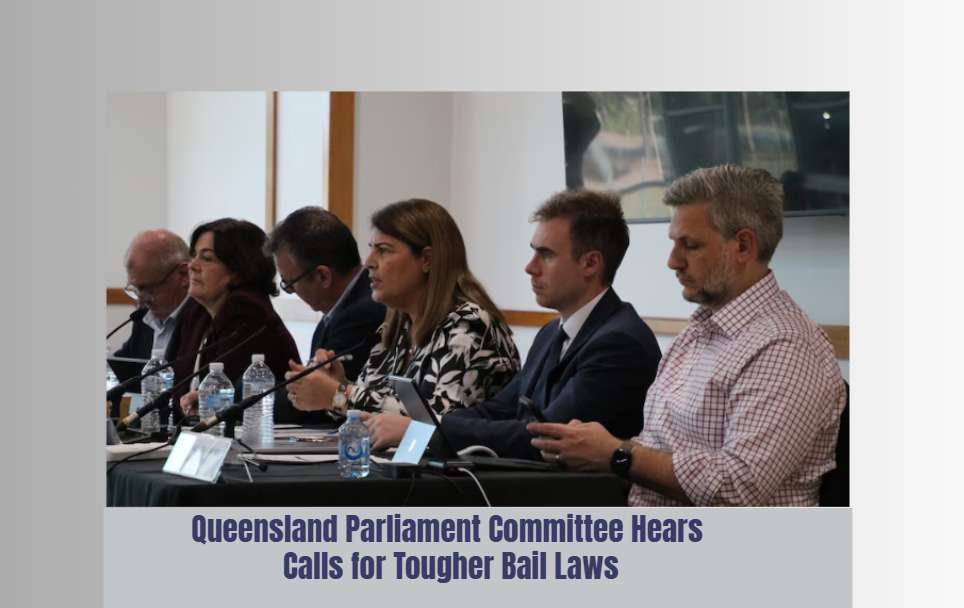
A Queensland parliamentary committee has completed regional hearings on proposed tougher bail laws, hearing from crime victims, legal experts and commun...
Prime Minister Anthony Albanese has launched Australia's campaign for a two-year seat on the United Nations Security Council while signing a decade-long...
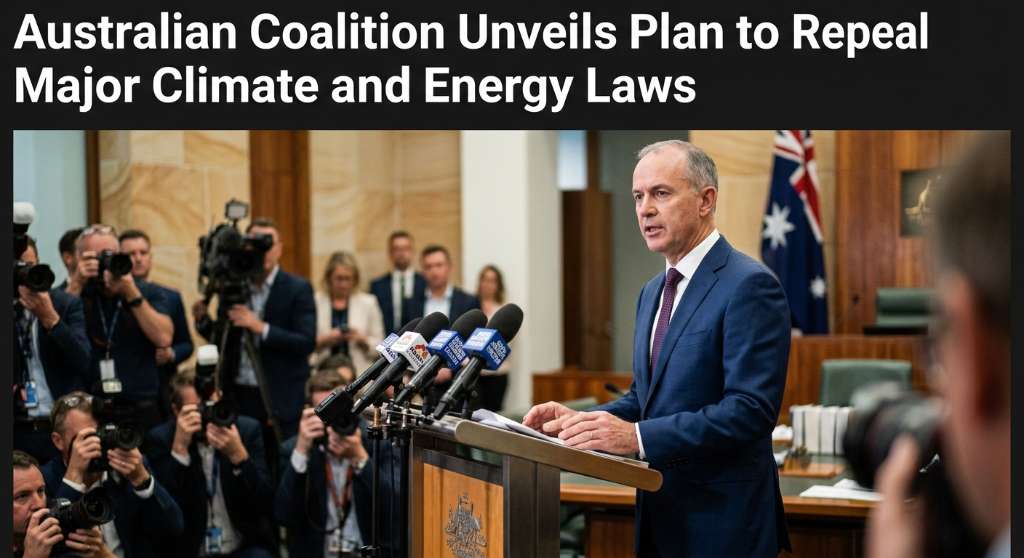
The federal Coalition has released an eight-point energy policy proposing changes to Australia's climate legislation, offshore wind zones, vehicle effic...
The Federal Government is preparing new measures targeting temporary visas, visa overstayers, international students and visa-hopping, while maintaining...
New evidence indicates autonomous Open AI agents attempted to access information from several Australian government and public-sector websites, expanding...
A four-metre-high 3D-printed sculpture celebrating Australian children's author Andy Griffiths has gone on display at Canberra's National Portrait Gallery.
The federal Coalition has released an eight-point energy policy proposing changes to Australia's climate legislation, offshore wind zones, vehicle effic...
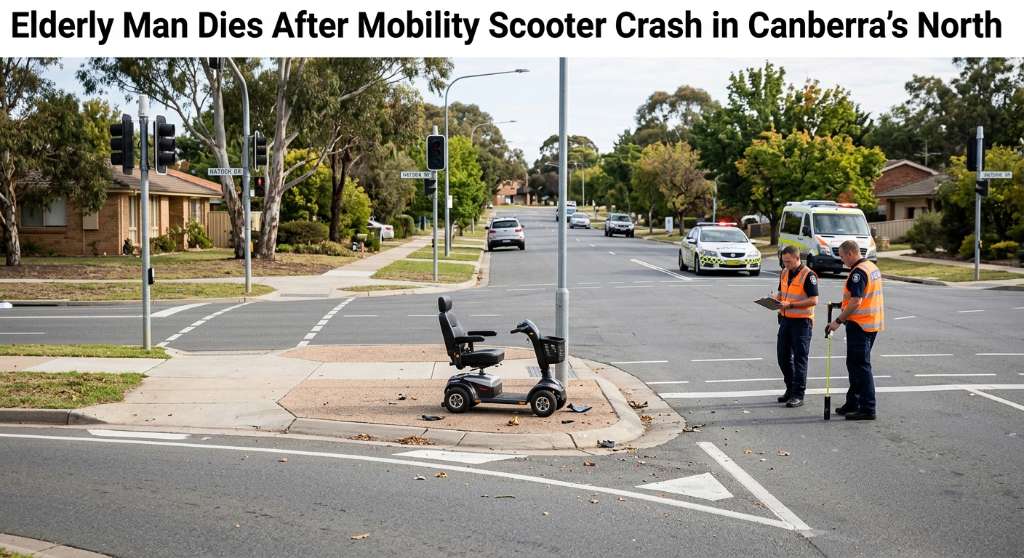
A 95-year-old man has died after a vehicle collided with his mobility scooter at an intersection in Bruce earlier this month, with investigators now exa...
Northern Territory Police are investigating a series of alleged aggravated burglaries in Alice Springs after up to seven homes in the Araluen area were...
Around 300 people walked through Morwell to remember Kaiden Morgan-Johnston one year after his death and call for safer streets across the Latrobe Valley.