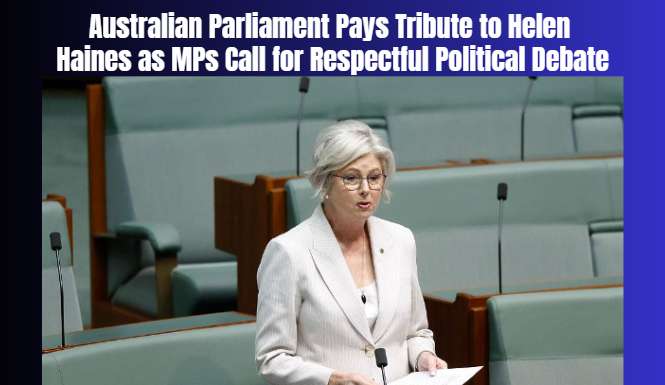
Australian Parliament Pays Tribute to Helen Haines as MPs Call for Respectful Political Debate
By Chloe · Published 26 Oct 2026 · Updated 26 Oct 2026
Canberra, ACT · ACT News
Safety note: Admin approval is an initial review, not a guarantee that every detail is correct. Check important or urgent claims with official sources and report anything inaccurate or unsafe.
Source and credit: Contributor's own report
Australian Parliament Pays Tribute to Helen Haines as MPs Call for Respectful Political Debate - Canberra, ACT
Smart summary
Parliament resumes in Canberra with tributes to independent MP Helen Haines, renewed calls for respectful political discussion and increased attention to the safety of elected representatives.
Australia's federal Parliament has resumed in Canberra with emotional tributes to independent MP Helen Haines following an alleged attack that left her seriously injured. The parliamentary proceedings on 26 October 2026 brought renewed attention to the safety of elected representatives and the responsibility of political leaders to maintain respectful public debate.
Haines, who represents the Victorian electorate of Indi, was seriously injured in an alleged vehicle attack outside her electorate office in Wangaratta on 19 October. The incident shocked political colleagues across party lines and prompted discussion about threats against politicians, their staff and their families.
When Parliament resumed, Prime Minister Anthony Albanese paid tribute to Haines, describing her as a fighter and recognising her contribution to public life. Members of Parliament acknowledged her service and expressed support for her recovery. Her vacant seat became a focal point for the day's proceedings, symbolising both her absence and the concern felt by colleagues.
Haines's husband, Phil Haines, conveyed messages about her experience and her hopes for the future. He also urged parliamentarians to reflect on the tone of political debate and the impact their words can have beyond the parliamentary chamber. His message encouraged elected representatives to demonstrate greater respect and responsibility in public discussion.
Independent MP Zali Steggall, who sits beside Haines in the House of Representatives, said the incident should prompt politicians to consider how their language and behaviour influence the wider community. She argued that political disagreement is an essential part of democracy but should not become personal hostility or intimidation.
Independent MP Monique Ryan also called for change in political conduct following the attack. She criticised remarks made during Opposition Leader Angus Taylor's tribute, saying leaders should recognise that public language can have consequences. Taylor, however, rejected the suggestion that robust parliamentary debate directly causes political violence.
The debate highlighted different views among politicians about the relationship between public rhetoric and threats against elected officials. Some parliamentarians argued that aggressive language and online abuse can contribute to a hostile environment, while others cautioned against assuming a direct link between political disagreement and individual acts of violence.
Social Services Minister Tanya Plibersek addressed concerns about whether public life remains safe for women. She said political participation continues to be important and encouraged women not to be deterred by threats or intimidation. Her comments reflected broader concerns about the disproportionate abuse that women in public positions can experience, particularly through social media.
The parliamentary discussion also covered the need to protect staff and members of the public who interact with elected representatives. Security arrangements around Parliament and electorate offices have received increased attention following the incident. Authorities continue to assess risks while ensuring representatives can maintain contact with their communities.
Haines has been granted leave of absence until at least 26 November, although Parliament has indicated that arrangements can be reconsidered if she becomes ready to return earlier. Her recovery remains a priority for colleagues and supporters.
The incident has renewed calls for a parliamentary civility pledge and greater responsibility in political communication. Supporters of such measures argue that respectful disagreement can strengthen democratic debate without diminishing scrutiny or accountability. Others have questioned whether formal pledges alone would be enough to change behaviour.
The alleged attack remains a matter for investigators, and no political motive should be assumed without evidence. Nevertheless, the parliamentary response has become a wider discussion about democratic participation, personal safety and the standards expected of public officials.
The events of 26 October placed Haines's recovery and the safety of Australia's political representatives at the centre of national debate. Parliament's challenge will be to translate expressions of support into practical steps that protect elected officials while preserving open, robust and respectful democratic discussion.
PoliticalHainesDebateParliamentParliamentary
Australia's federal Parliament has resumed in Canberra with emotional tributes to independent MP Helen Haines following an alleged attack that left her seriously injured. The parliamentary proceedings on 26 October 2026 brought renewed attention to the safety of elected representatives and the responsibility of political leaders to maintain respectful public debate.
Haines, who represents the Victorian electorate of Indi, was seriously injured in an alleged vehicle attack outside her electorate office in Wangaratta on 19 October. The incident shocked political colleagues across party lines and prompted discussion about threats against politicians, their staff and their families.
When Parliament resumed, Prime Minister Anthony Albanese paid tribute to Haines, describing her as a fighter and recognising her contribution to public life. Members of Parliament acknowledged her service and expressed support for her recovery. Her vacant seat became a focal point for the day's proceedings, symbolising both her absence and the concern felt by colleagues.
Haines's husband, Phil Haines, conveyed messages about her experience and her hopes for the future. He also urged parliamentarians to reflect on the tone of political debate and the impact their words can have beyond the parliamentary chamber. His message encouraged elected representatives to demonstrate greater respect and responsibility in public discussion.
Independent MP Zali Steggall, who sits beside Haines in the House of Representatives, said the incident should prompt politicians to consider how their language and behaviour influence the wider community. She argued that political disagreement is an essential part of democracy but should not become personal hostility or intimidation.
Independent MP Monique Ryan also called for change in political conduct following the attack. She criticised remarks made during Opposition Leader Angus Taylor's tribute, saying leaders should recognise that public language can have consequences. Taylor, however, rejected the suggestion that robust parliamentary debate directly causes political violence.
The debate highlighted different views among politicians about the relationship between public rhetoric and threats against elected officials. Some parliamentarians argued that aggressive language and online abuse can contribute to a hostile environment, while others cautioned against assuming a direct link between political disagreement and individual acts of violence.
Social Services Minister Tanya Plibersek addressed concerns about whether public life remains safe for women. She said political participation continues to be important and encouraged women not to be deterred by threats or intimidation. Her comments reflected broader concerns about the disproportionate abuse that women in public positions can experience, particularly through social media.
The parliamentary discussion also covered the need to protect staff and members of the public who interact with elected representatives. Security arrangements around Parliament and electorate offices have received increased attention following the incident. Authorities continue to assess risks while ensuring representatives can maintain contact with their communities.
Haines has been granted leave of absence until at least 26 November, although Parliament has indicated that arrangements can be reconsidered if she becomes ready to return earlier. Her recovery remains a priority for colleagues and supporters.
The incident has renewed calls for a parliamentary civility pledge and greater responsibility in political communication. Supporters of such measures argue that respectful disagreement can strengthen democratic debate without diminishing scrutiny or accountability. Others have questioned whether formal pledges alone would be enough to change behaviour.
The alleged attack remains a matter for investigators, and no political motive should be assumed without evidence. Nevertheless, the parliamentary response has become a wider discussion about democratic participation, personal safety and the standards expected of public officials.
The events of 26 October placed Haines's recovery and the safety of Australia's political representatives at the centre of national debate. Parliament's challenge will be to translate expressions of support into practical steps that protect elected officials while preserving open, robust and respectful democratic discussion.
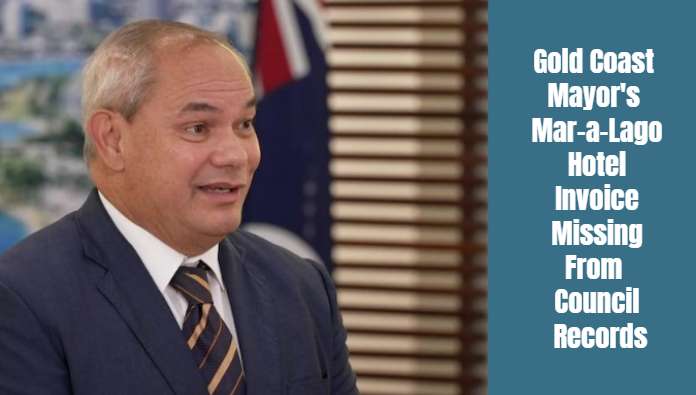
A freedom of information request has revealed that Gold Coast Council does not hold a copy of the invoice for Mayor Tom Tate's three-day stay at Donald...
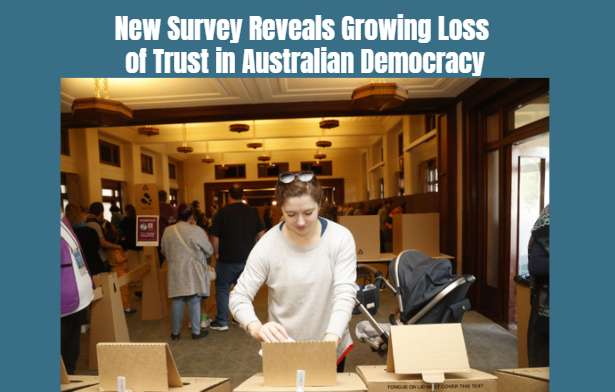
A nationwide survey of 4,000 Australians reveals declining confidence in politicians, growing dissatisfaction with democracy and significant differences...
New figures reveal more than $3 million in government spending on promotional merchandise, including unusual items such as condoms and lollies, raising...
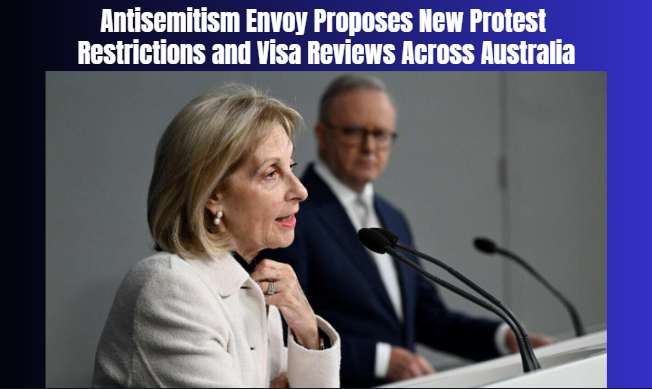
Australia's antisemitism envoy has recommended stronger protest rules, additional visa checks and independent oversight of public broadcasters as part o...
The Australian government has launched a parliamentary investigation into whether Australia Post is keeping up with changing customer needs as tradition...
A psychiatric report presented to South Australia's Supreme Court has raised questions about Tamika Chesser's mental competence in the case involving th...
A freedom of information request has revealed that Gold Coast Council does not hold a copy of the invoice for Mayor Tom Tate's three-day stay at Donald...