Safety note: Admin approval is an initial review, not a guarantee that every detail is correct. Check important or urgent claims with official sources and report anything inaccurate or unsafe.
Source and credit: Contributor's own report
Authorities Crack Down on Australia's Illegal Seafood Trade - National, ACT
Smart summary
Fisheries authorities are increasing enforcement against illegal seafood sales, with raids, fines and boat seizures targeting a growing black-market industry across several Australian states.
Australian fisheries authorities are stepping up efforts to combat the illegal seafood trade, with enforcement operations targeting people who catch and sell fish and other seafood outside the legal system.
The crackdown is taking place across several states and territories, with fisheries officers conducting inspections, investigations and raids aimed at identifying illegally caught seafood and people involved in its sale.
In Queensland, authorities have targeted illegal mud-crab fishing in waterways between Brisbane and Russell Island. Mud crabs can command high prices, making them an attractive target for people attempting to sell seafood outside the regulated commercial system.
One Queensland man was previously convicted after fisheries officers discovered illegally caught seafood at his property. He was fined $10,000 and his boat was destroyed as part of the enforcement action.
Authorities say illegal fishing can involve exceeding catch limits, taking undersized seafood, using prohibited equipment, fishing in restricted areas or selling recreationally caught seafood commercially.
The activity can have consequences for both the environment and legitimate fishing businesses. Illegal catches can reduce fish populations and undermine the rules designed to manage Australia's fisheries sustainably.
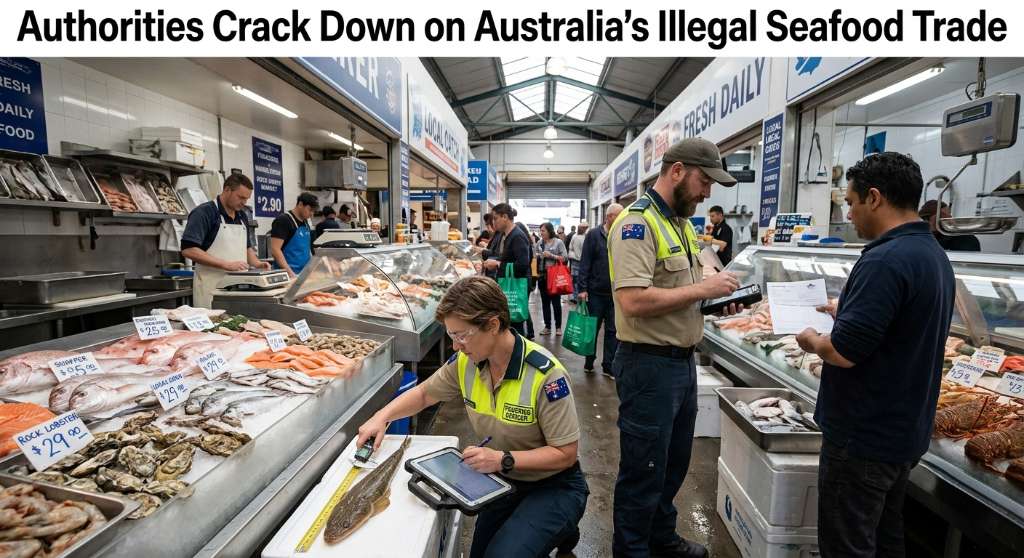
Fisheries officers in New South Wales have also been conducting inspections of seafood retailers in Sydney's south-west. Officers checked seafood products, measured fish to determine whether they met legal size requirements and examined documentation showing where products had been obtained.
During one inspection, officers found packages of abalone that were not correctly labelled. The seafood was valued at approximately $4,000. Authorities are continuing to investigate whether the product was legally sourced.
New South Wales has recently introduced stronger penalties for people involved in illicit seafood trading, with maximum fines of up to $44,000 under new legislation.
Authorities are also increasing the use of technology to detect illegal activity. Night-vision equipment and other surveillance tools are being considered or deployed to help fisheries officers identify people operating illegally, particularly in remote or difficult-to-monitor areas.
Illegal fishing is not limited to recreational anglers. Authorities also investigate commercial operations and international fishing activity where regulations are breached.
Enforcement figures show that authorities across Australia continue to deal with thousands of reports and offences involving illegal fishing. Western Australia, the Northern Territory, Queensland, New South Wales and Victoria have all recorded enforcement activity in recent years.
Officials say the black-market seafood trade can also create risks for consumers because illegally sourced products may not have passed through normal inspection, storage and labelling requirements.
Authorities are encouraging people who purchase seafood to consider where the product came from and to be cautious about seafood being offered outside established legal channels.
The nationwide crackdown is expected to continue as fisheries agencies increase inspections, surveillance and enforcement operations.
For legitimate commercial fishers, stronger enforcement is intended to protect businesses that operate under Australia's fishing rules while helping maintain fish stocks and marine ecosystems.
SeafoodAuthoritiesFishingIllegalFisheries
Australian fisheries authorities are stepping up efforts to combat the illegal seafood trade, with enforcement operations targeting people who catch and sell fish and other seafood outside the legal system.
The crackdown is taking place across several states and territories, with fisheries officers conducting inspections, investigations and raids aimed at identifying illegally caught seafood and people involved in its sale.
In Queensland, authorities have targeted illegal mud-crab fishing in waterways between Brisbane and Russell Island. Mud crabs can command high prices, making them an attractive target for people attempting to sell seafood outside the regulated commercial system.
One Queensland man was previously convicted after fisheries officers discovered illegally caught seafood at his property. He was fined $10,000 and his boat was destroyed as part of the enforcement action.
Authorities say illegal fishing can involve exceeding catch limits, taking undersized seafood, using prohibited equipment, fishing in restricted areas or selling recreationally caught seafood commercially.
The activity can have consequences for both the environment and legitimate fishing businesses. Illegal catches can reduce fish populations and undermine the rules designed to manage Australia's fisheries sustainably.
Fisheries officers in New South Wales have also been conducting inspections of seafood retailers in Sydney's south-west. Officers checked seafood products, measured fish to determine whether they met legal size requirements and examined documentation showing where products had been obtained.
During one inspection, officers found packages of abalone that were not correctly labelled. The seafood was valued at approximately $4,000. Authorities are continuing to investigate whether the product was legally sourced.
New South Wales has recently introduced stronger penalties for people involved in illicit seafood trading, with maximum fines of up to $44,000 under new legislation.
Authorities are also increasing the use of technology to detect illegal activity. Night-vision equipment and other surveillance tools are being considered or deployed to help fisheries officers identify people operating illegally, particularly in remote or difficult-to-monitor areas.
Illegal fishing is not limited to recreational anglers. Authorities also investigate commercial operations and international fishing activity where regulations are breached.
Enforcement figures show that authorities across Australia continue to deal with thousands of reports and offences involving illegal fishing. Western Australia, the Northern Territory, Queensland, New South Wales and Victoria have all recorded enforcement activity in recent years.
Officials say the black-market seafood trade can also create risks for consumers because illegally sourced products may not have passed through normal inspection, storage and labelling requirements.
Authorities are encouraging people who purchase seafood to consider where the product came from and to be cautious about seafood being offered outside established legal channels.
The nationwide crackdown is expected to continue as fisheries agencies increase inspections, surveillance and enforcement operations.
For legitimate commercial fishers, stronger enforcement is intended to protect businesses that operate under Australia's fishing rules while helping maintain fish stocks and marine ecosystems.
A man has been banned from future Oz Comic-Con events after an alleged altercation involving an artist at the Brisbane Convention and Exhibition Centre.
A South Australian inquest is examining how a woman with an intellectual disability died without accessing the $75,000 in NDIS funding she had been appr...
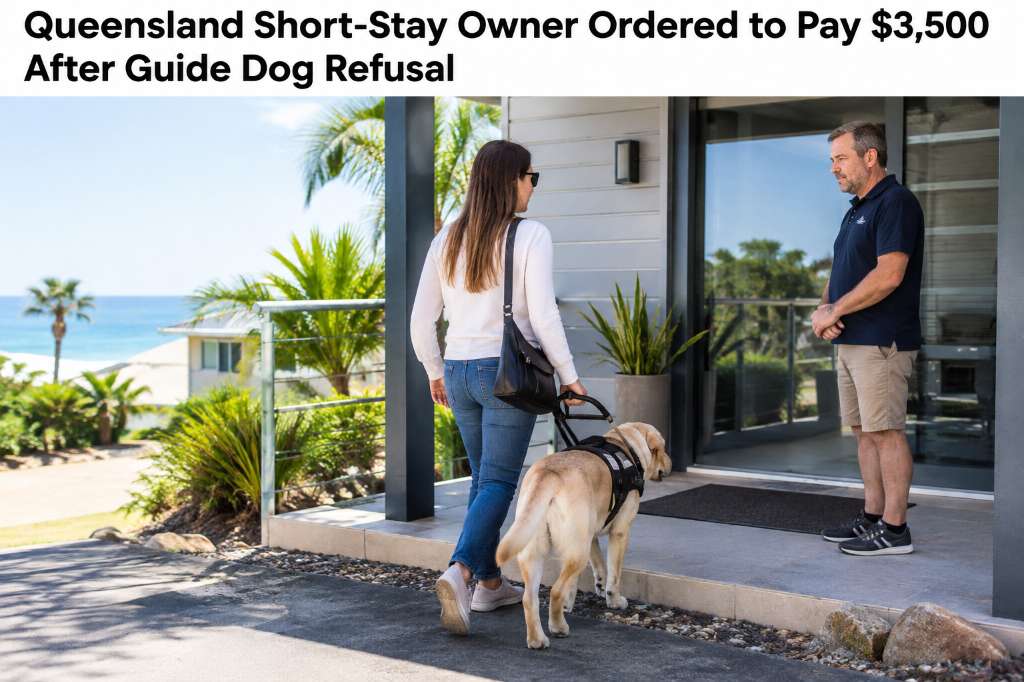
A Queensland short-stay accommodation owner has been ordered to pay $3,500 compensation after refusing accommodation to a legally blind woman because sh...
A man has died and another man has been seriously injured after both were found on a Maffra street late Sunday night, with homicide detectives investiga...
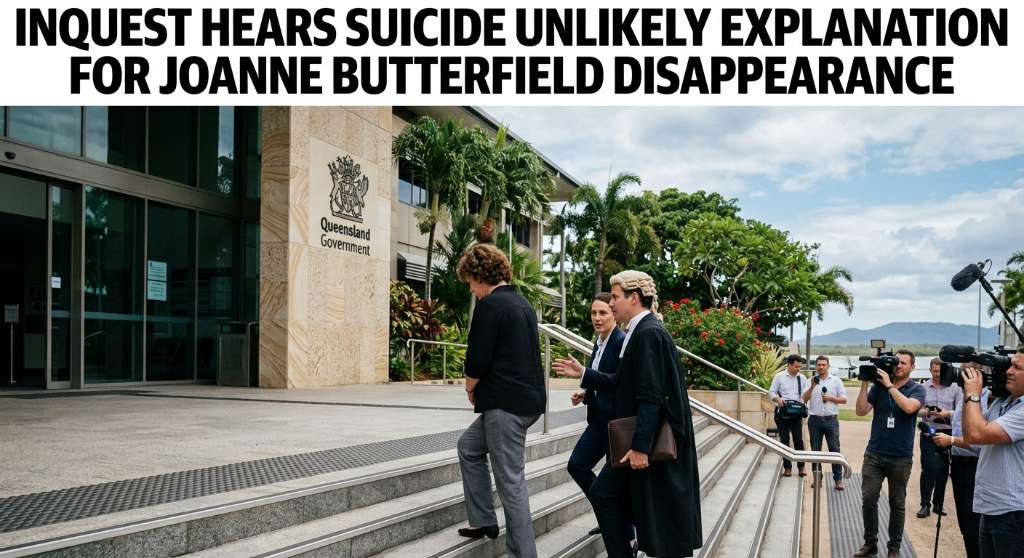
A coronial inquest in Cairns has heard evidence from witnesses who questioned the theory that missing Mossman mother Joanne Butterfield took her own lif...
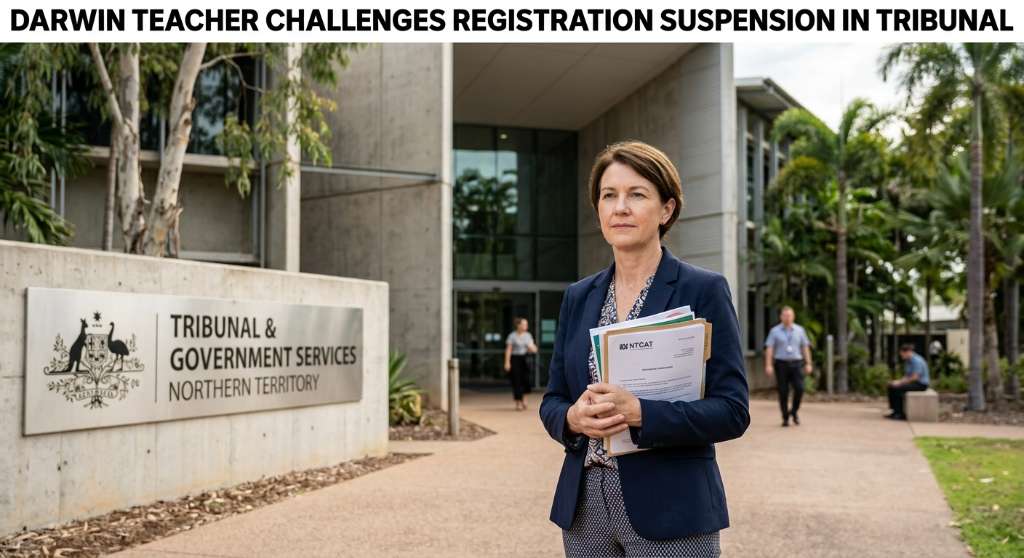
A Darwin teacher is challenging an interim decision to suspend her registration while the Northern Territory Teacher Registration Board investigates all...
A man has been banned from future Oz Comic-Con events after an alleged altercation involving an artist at the Brisbane Convention and Exhibition Centre.
A South Australian inquest is examining how a woman with an intellectual disability died without accessing the $75,000 in NDIS funding she had been appr...
An 11-year-old boy is in serious condition after being shot inside a home in Sydney's north-west, with police investigating the circumstances surroundin...