Safety note: Admin approval is an initial review, not a guarantee that every detail is correct. Check important or urgent claims with official sources and report anything inaccurate or unsafe.
Blueberry Farm Owners Fined $100,000 Over Illegal Dam Near Coffs Harbour
Smart summary
The owners of a commercial blueberry farm near Coffs Harbour have been fined a combined $100,000 after a New South Wales court found they had illegally constructed a dam without obtaining the necessary environmental a...
The owners of a commercial blueberry farm near Coffs Harbour have been fined a combined $100,000 after a New South Wales court found they had illegally constructed a dam without obtaining the necessary environmental approvals. The case has highlighted the importance of complying with environmental and water management laws when undertaking major works on rural properties.
According to evidence presented in court, the dam was constructed on a blueberry farm at Bucca during a period when the property required additional water for agricultural operations. The court heard the decision to build the dam was made quickly in response to water concerns, but the required approvals from the relevant authorities had not been obtained before construction commenced.
Environmental regulators investigated the matter after becoming aware of the unauthorised works. Officers assessed the site and determined that the construction had breached environmental planning and water management requirements. Authorities stressed that approval processes exist to ensure developments do not adversely affect waterways, neighbouring landowners or local ecosystems.
During the court proceedings, it was acknowledged that the farm operators were attempting to secure water for their commercial blueberry business. However, the court ruled that this did not excuse failing to comply with the legal approval process. The magistrate noted that environmental regulations apply equally to all landowners and that proper authorisation must be obtained before carrying out significant earthworks or water infrastructure projects.
The combined penalties of $100,000 reflect the seriousness of the offences and serve as a reminder that environmental laws are designed to protect natural resources while ensuring fair and responsible land management practices. Regulators said compliance with approval requirements helps balance agricultural development with environmental conservation across regional New South Wales.
Authorities also encouraged farmers and rural landowners to seek professional advice before undertaking projects involving dams, waterways or major land modifications. Obtaining approvals in advance can help avoid costly legal action while ensuring developments meet environmental standards and community expectations. Agriculture remains one of the key industries across the Coffs Harbour region, with blueberry production contributing significantly to the local economy. Officials recognised the importance of supporting farming businesses but emphasised that sustainable agricultural practices must operate within the law to protect the region's natural environment.
Environmental agencies said they will continue monitoring compliance with planning and water management legislation across rural areas. They also encouraged landowners to work cooperatively with government departments when planning future infrastructure projects.
The case serves as a reminder that even where commercial pressures exist, environmental approval processes remain mandatory. Authorities believe the outcome reinforces the importance of responsible land management and sustainable farming practices throughout regional New South Wales.
EnvironmentalWaterBlueberryCourtManagement
The owners of a commercial blueberry farm near Coffs Harbour have been fined a combined $100,000 after a New South Wales court found they had illegally constructed a dam without obtaining the necessary environmental approvals. The case has highlighted the importance of complying with environmental and water management laws when undertaking major works on rural properties.
According to evidence presented in court, the dam was constructed on a blueberry farm at Bucca during a period when the property required additional water for agricultural operations. The court heard the decision to build the dam was made quickly in response to water concerns, but the required approvals from the relevant authorities had not been obtained before construction commenced.
Environmental regulators investigated the matter after becoming aware of the unauthorised works. Officers assessed the site and determined that the construction had breached environmental planning and water management requirements. Authorities stressed that approval processes exist to ensure developments do not adversely affect waterways, neighbouring landowners or local ecosystems.
During the court proceedings, it was acknowledged that the farm operators were attempting to secure water for their commercial blueberry business. However, the court ruled that this did not excuse failing to comply with the legal approval process. The magistrate noted that environmental regulations apply equally to all landowners and that proper authorisation must be obtained before carrying out significant earthworks or water infrastructure projects.
The combined penalties of $100,000 reflect the seriousness of the offences and serve as a reminder that environmental laws are designed to protect natural resources while ensuring fair and responsible land management practices. Regulators said compliance with approval requirements helps balance agricultural development with environmental conservation across regional New South Wales.
Authorities also encouraged farmers and rural landowners to seek professional advice before undertaking projects involving dams, waterways or major land modifications. Obtaining approvals in advance can help avoid costly legal action while ensuring developments meet environmental standards and community expectations. Agriculture remains one of the key industries across the Coffs Harbour region, with blueberry production contributing significantly to the local economy. Officials recognised the importance of supporting farming businesses but emphasised that sustainable agricultural practices must operate within the law to protect the region's natural environment.
Environmental agencies said they will continue monitoring compliance with planning and water management legislation across rural areas. They also encouraged landowners to work cooperatively with government departments when planning future infrastructure projects.
The case serves as a reminder that even where commercial pressures exist, environmental approval processes remain mandatory. Authorities believe the outcome reinforces the importance of responsible land management and sustainable farming practices throughout regional New South Wales.
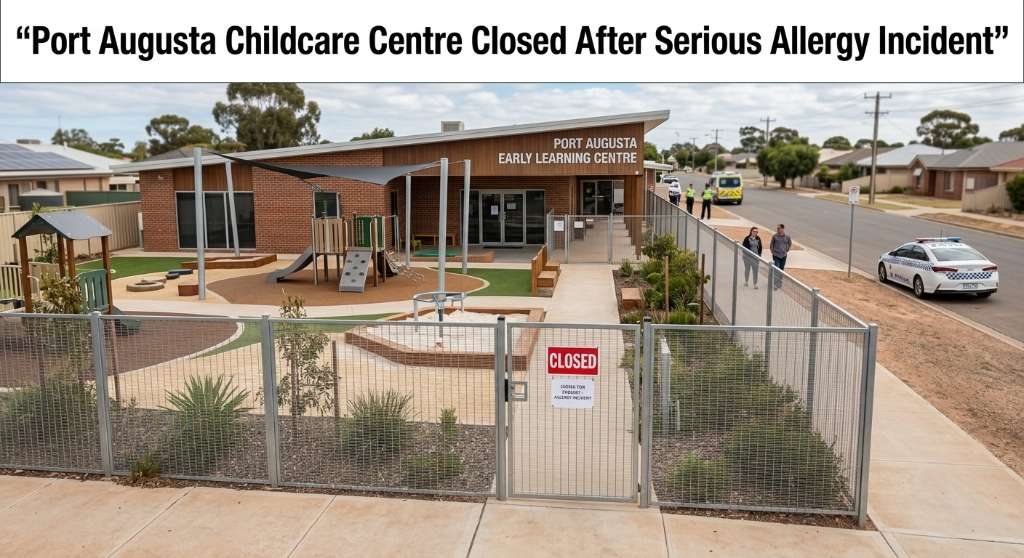
An Edge Early Learning centre in Port Augusta has been ordered to close for two weeks after a child with allergies was hospitalised after being given fo...
The statewide scheme allows eligible renters to transfer their existing bond directly to a new rental property instead of paying a second bond upfront.
Global diesel shortages and disrupted shipping routes are pushing up fuel costs and creating growing risks for Australia’s farmers, miners and wider eco...
Central Coast New South Wales · General News · 15 Sep 2026
A teenager accused of negligent driving following a fatal crash on the NSW Central Coast has been refused bail in court today, Tuesday, September 15, 2026. The case follows a se...
Coffs Harbour New South Wales · Crime News · 01 Sep 2026
The Australian Federal Police charged a 53-year-old man from Woolgoolga, within the Coffs Harbour area, following an investigation into allegedly offensive and threatening socia...
Coffs Harbour New South Wales · Other News · 01 Sep 2026
A Safe Work NSW inspection blitz across the Coffs Harbour region has uncovered dozens of workplace-safety issues in the horticulture industry. The operation followed concerns ab...
Coffs Harbour New South Wales · Crime News · 01 Sep 2026
Coffs Harbour Local Court is hearing a range of matters today, Tuesday 1 September 2026, with the day's court list published as part of local court reporting. The list provides...
Coffs Harbour New South Wales · Crime News · 25 Aug 2026
A major criminal case involving the alleged importation and commercial supply of co-caine has continued in Coffs Harbour, with a 27-year-old man pleading guilty to a charge conn...
Bathurst New South Wales · Community News · 17 Sep 2026
Kerry “Pecky” Peck, a long-standing Bathurst radio personality, has been inducted into the Bathurst Business Hall of Fame in recognition of his extensive contribution to the loc...
Orange New South Wales · Community News · 17 Sep 2026
Orange City Council has elected a new Deputy Mayor for the next two years, with the decision announced today, 17 September 2026. The council said the election took place during...
Wagga Wagga New South Wales · Crime News · 17 Sep 2026
Riverina Police have established a specialised task force in Wagga Wagga to investigate a series of aggravated break-and-enter offences, home invasions and firearm-related incid...
Albury New South Wales · Business News · 17 Sep 2026
An Australian artificial intelligence company has purchased the former Visy paper mill site at Ettamogah, north of Albury, in a significant local business The company, Sharon AI...
Cairns Regional Council has unanimously voted to seek $400,000 in Queensland Government funding for a program designed to connect local businesses with the region’s growing film...
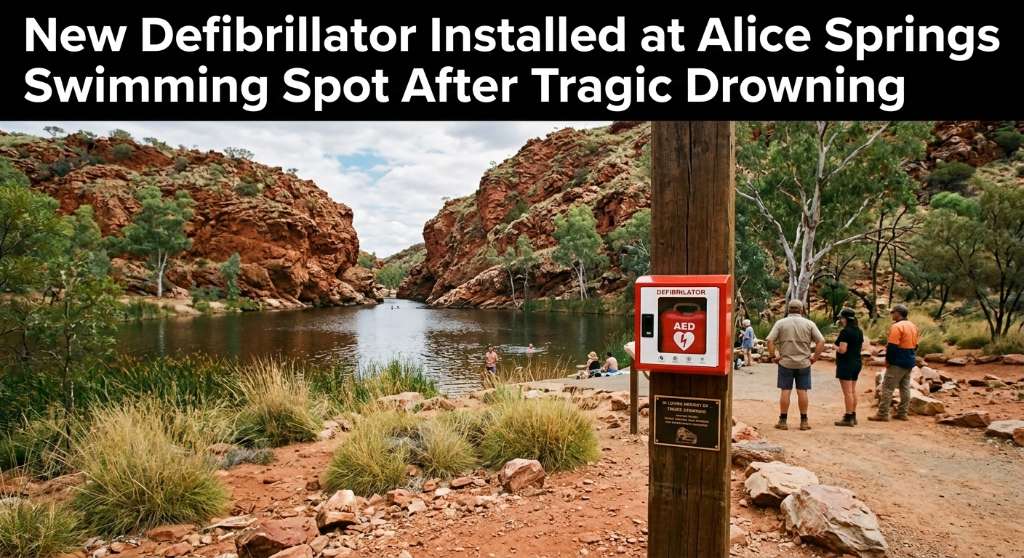
An automated external defibrillator and memorial plaque have been installed at Ellery Creek Big Hole following the death of disability advocate Ellen Fr...
Queensland firefighters spent several hours monitoring a significant grass fire at Mary Kinross Park in Bargara, near Bundaberg, after the blaze broke out on Wednesday evening....