Safety note: Admin approval is an initial review, not a guarantee that every detail is correct. Check important or urgent claims with official sources and report anything inaccurate or unsafe.
Source and credit: Contributor's own report
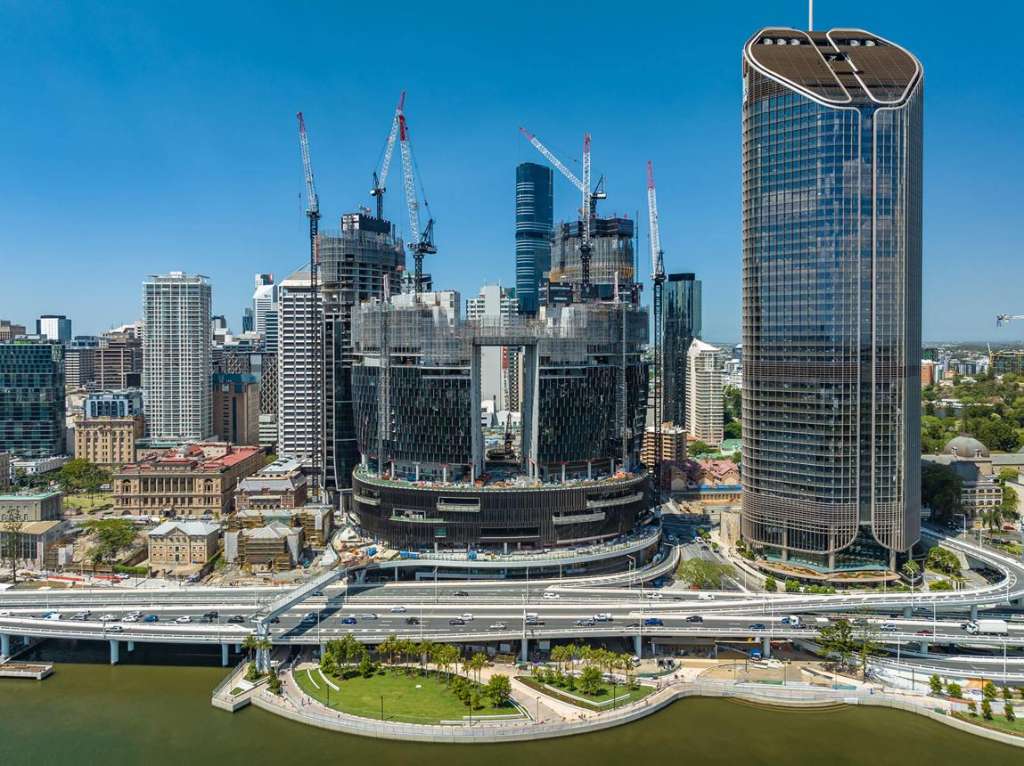
Brisbane Construction Sector Remains Strong Despite Rising Development Costs - Brisbane, Queensland
Smart summary
Major commercial and infrastructure projects continue as industry warns of future supply challenges.
Brisbane's construction industry continues to show resilience, with major commercial, residential and infrastructure projects progressing across the city despite increasing building costs and labour shortages. Industry leaders say demand for high-quality developments remains strong, supported by population growth, business investment and preparations for the Brisbane 2032 Olympic and Paralympic Games.
Recent market activity has been driven by demand for premium office buildings, transport infrastructure and urban renewal projects. Developers continue to invest in Brisbane's CBD and surrounding suburbs, while government-backed infrastructure works are creating additional opportunities for contractors and suppliers. The city's strong economic performance has encouraged businesses to commit to long-term expansion plans, increasing demand for new commercial space.
Construction industry representatives have warned, however, that rising material costs, skilled labour shortages and limited availability of development sites could slow future projects if additional investment and planning reforms are not introduced. They have called for streamlined approval processes and incentives to encourage new commercial developments before demand exceeds supply.
Queensland's ongoing infrastructure program includes transport upgrades, Olympic venue planning and urban redevelopment projects designed to improve connectivity and accommodate future population growth. These initiatives are expected to generate employment opportunities while supporting local businesses across engineering, architecture, construction and related industries.
Economists believe Brisbane remains one of Australia's fastest-growing capital cities for commercial investment, with relatively strong business confidence compared with several other metropolitan markets. Continued migration into South East Queensland, combined with preparations for international sporting events, is expected to sustain construction activity over the coming years.
Industry groups have emphasised that continued collaboration between government, developers and local communities will be essential to ensure Brisbane can meet future demand while maintaining sustainable urban growth. Additional planning announcements are expected later this year as several large-scale projects progress through approval stages.
BrisbaneConstructionDemandProjectsCommercial
Brisbane's construction industry continues to show resilience, with major commercial, residential and infrastructure projects progressing across the city despite increasing building costs and labour shortages. Industry leaders say demand for high-quality developments remains strong, supported by population growth, business investment and preparations for the Brisbane 2032 Olympic and Paralympic Games.
Recent market activity has been driven by demand for premium office buildings, transport infrastructure and urban renewal projects. Developers continue to invest in Brisbane's CBD and surrounding suburbs, while government-backed infrastructure works are creating additional opportunities for contractors and suppliers. The city's strong economic performance has encouraged businesses to commit to long-term expansion plans, increasing demand for new commercial space.
Construction industry representatives have warned, however, that rising material costs, skilled labour shortages and limited availability of development sites could slow future projects if additional investment and planning reforms are not introduced. They have called for streamlined approval processes and incentives to encourage new commercial developments before demand exceeds supply.
Queensland's ongoing infrastructure program includes transport upgrades, Olympic venue planning and urban redevelopment projects designed to improve connectivity and accommodate future population growth. These initiatives are expected to generate employment opportunities while supporting local businesses across engineering, architecture, construction and related industries.
Economists believe Brisbane remains one of Australia's fastest-growing capital cities for commercial investment, with relatively strong business confidence compared with several other metropolitan markets. Continued migration into South East Queensland, combined with preparations for international sporting events, is expected to sustain construction activity over the coming years.
Industry groups have emphasised that continued collaboration between government, developers and local communities will be essential to ensure Brisbane can meet future demand while maintaining sustainable urban growth. Additional planning announcements are expected later this year as several large-scale projects progress through approval stages.
Central Coast New South Wales · Business News · 18 Sep 2026
More than 130 oyster-lease operators on the Central Coast are set to benefit from reforms announced by the NSW Government, with the changes designed to provide greater certainty...
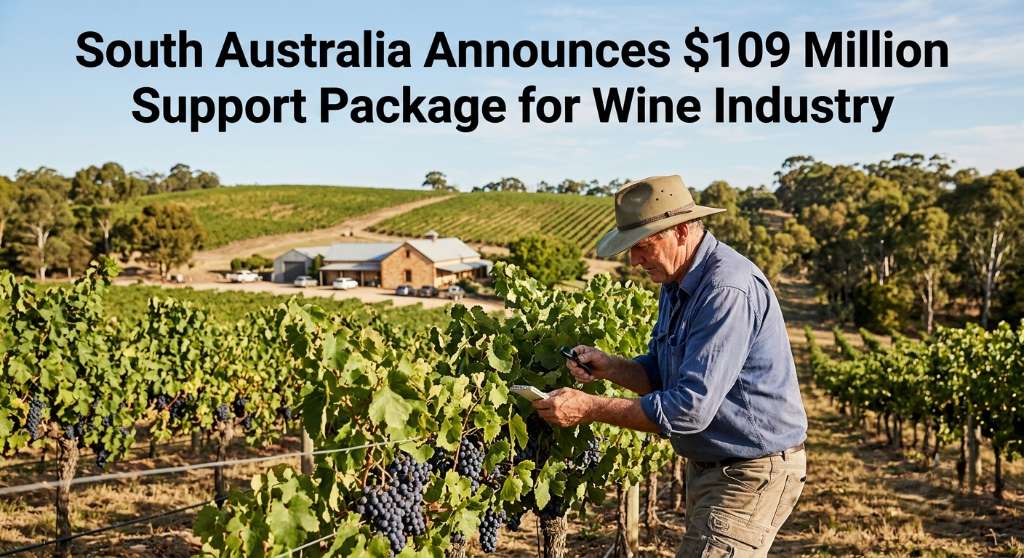
The South Australian Government has announced a $109 million package aimed at supporting the state's wine industry through financial assistance, market...
Cairns Regional Council has unanimously voted to seek $400,000 in Queensland Government funding for a program designed to connect local businesses with the region’s growing film...
Albury New South Wales · Business News · 17 Sep 2026
An Australian artificial intelligence company has purchased the former Visy paper mill site at Ettamogah, north of Albury, in a significant local business The company, Sharon AI...
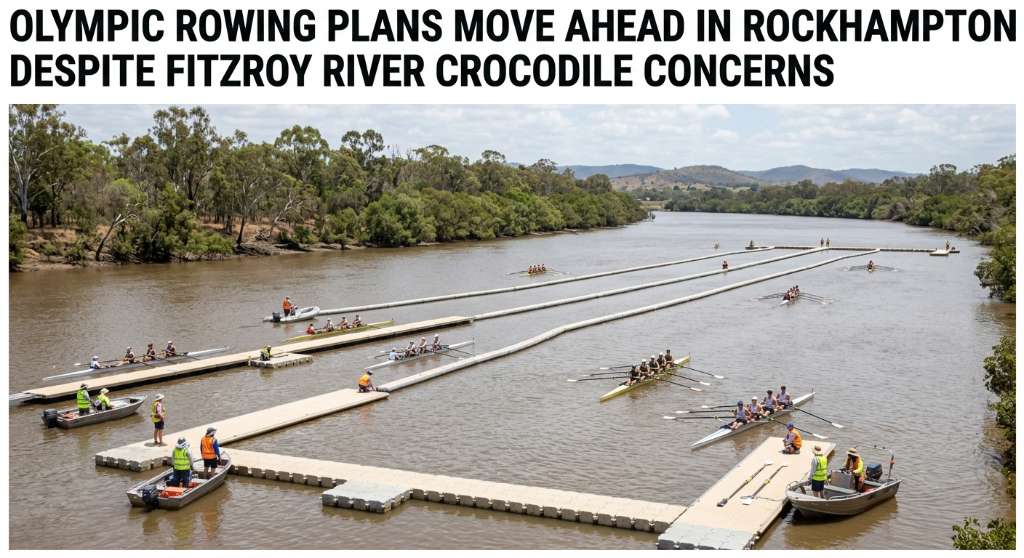
Plans for the 2032 Brisbane Olympic rowing events to be held on Rockhampton’s Fitzroy River are progressing, while questions remain about crocodile safe...
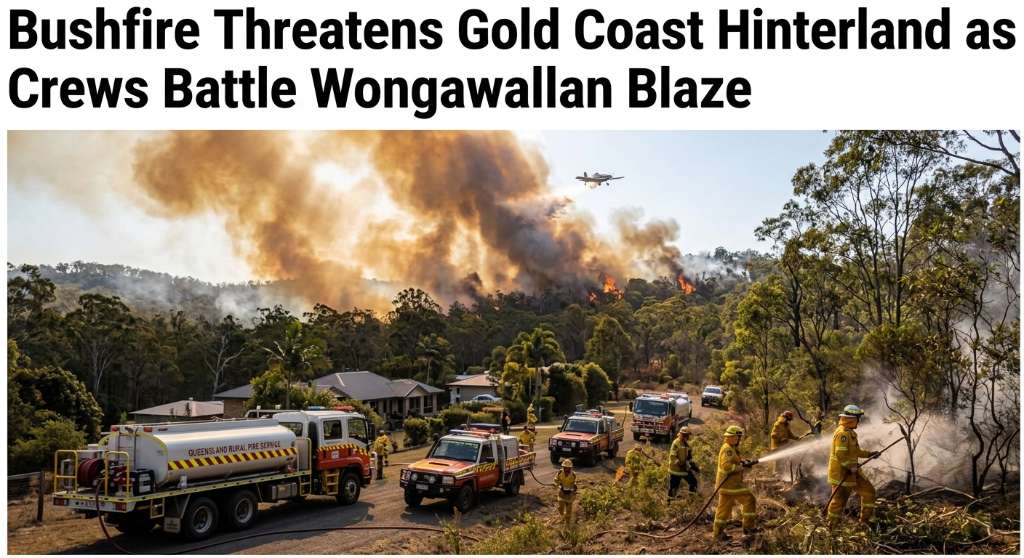
Firefighters have worked through the night to contain a fast-moving bushfire at Wongawallan in the Gold Coast hinterland, with crews protecting homes as...
Newcastle New South Wales · Travel News · 19 Sep 2026
A driver has come under police investigation in Newcastle after allegedly being detected travelling at 148km/h on the M1 on 19 September 2026. The incident is listed among Newca...
Emergency services were called to a home on Chambers Avenue in Bondi Beach at about 5:15pm on Saturday, 19 September 2026, following reports of a stabbing. NSW Police and parame...