Severe Heatwave Warning Issued Across North and North-West Queensland
By Chloe · Published 04 Nov 2026 · Updated 04 Nov 2026
Townsville, QLD · Queensland News
Safety note: Admin approval is an initial review, not a guarantee that every detail is correct. Check important or urgent claims with official sources and report anything inaccurate or unsafe.
Source and credit: Contributor's own report
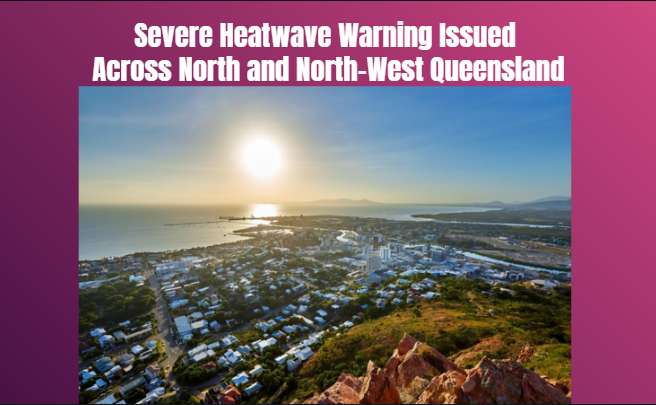
Severe Heatwave Warning Issued Across North and North-West Queensland - Townsville, QLD
Smart summary
Residents are being urged to take precautions as high temperatures affect several regions, with some inland communities expected to experience maximum temperatures in the low 40s.
Residents across northern and north-western Queensland are being urged to take care as severe and lower-intensity heatwave conditions affect several parts of the state.
The Bureau of Meteorology has issued heatwave warnings covering areas including the Peninsula, Gulf Country, Northern Goldfields and Upper Flinders, North Tropical Coast, Tablelands, and Herbert and Lower Burdekin regions. The warnings highlight the risk of prolonged hot conditions and the need for residents to take precautions, particularly people who are more vulnerable to extreme heat.
Western Cape York Peninsula has experienced particularly high temperatures in recent days, with both minimum and maximum temperatures recorded at around three degrees above average. This means the region has not only experienced hot afternoons but has also faced warmer nights, giving people less opportunity to cool down.
Conditions are also affecting inland communities west of Townsville. Bureau of Meteorology community information officer Daniel Hayes said a lower-intensity heatwave was extending across areas west of the city. Maximum temperatures in the low 40s were common in locations stretching from Charters Towers towards Mount Isa and Camooweal.
For residents, prolonged heat can create difficulties with everyday activities. Outdoor workers, construction employees, farmers, transport workers and people involved in other physically demanding jobs may face increased exposure to high temperatures. People travelling long distances through remote areas also need to consider water supplies, vehicle conditions and access to assistance.
Health authorities generally recommend drinking water regularly, limiting strenuous outdoor activity during the hottest part of the day and spending time in cool or air-conditioned places where possible. Children, older people and those with existing health vulnerabilities can be particularly affected by extreme temperatures. Residents are also encouraged to check on neighbours, relatives and anyone who may need help during prolonged hot weather.
The heatwave conditions may also place additional pressure on electricity use as households and businesses rely more heavily on cooling systems. Outdoor activities, sporting events and work schedules may need to be adjusted when temperatures become difficult to manage.
Northern Queensland regularly experiences hot weather, but extended periods of above-average temperatures can still create risks for communities, particularly in inland and remote locations. The current warnings are a reminder that preparation is important even for people who are accustomed to the region's summer climate.
Residents should continue checking official Bureau of Meteorology warnings for their specific area, as conditions can vary between coastal, inland and elevated locations. Taking sensible precautions can help reduce the effects of prolonged heat while conditions remain elevated.
ConditionsTemperaturesPeopleAlsoHeatwave
Residents across northern and north-western Queensland are being urged to take care as severe and lower-intensity heatwave conditions affect several parts of the state.
The Bureau of Meteorology has issued heatwave warnings covering areas including the Peninsula, Gulf Country, Northern Goldfields and Upper Flinders, North Tropical Coast, Tablelands, and Herbert and Lower Burdekin regions. The warnings highlight the risk of prolonged hot conditions and the need for residents to take precautions, particularly people who are more vulnerable to extreme heat.
Western Cape York Peninsula has experienced particularly high temperatures in recent days, with both minimum and maximum temperatures recorded at around three degrees above average. This means the region has not only experienced hot afternoons but has also faced warmer nights, giving people less opportunity to cool down.
Conditions are also affecting inland communities west of Townsville. Bureau of Meteorology community information officer Daniel Hayes said a lower-intensity heatwave was extending across areas west of the city. Maximum temperatures in the low 40s were common in locations stretching from Charters Towers towards Mount Isa and Camooweal.
For residents, prolonged heat can create difficulties with everyday activities. Outdoor workers, construction employees, farmers, transport workers and people involved in other physically demanding jobs may face increased exposure to high temperatures. People travelling long distances through remote areas also need to consider water supplies, vehicle conditions and access to assistance.
Health authorities generally recommend drinking water regularly, limiting strenuous outdoor activity during the hottest part of the day and spending time in cool or air-conditioned places where possible. Children, older people and those with existing health vulnerabilities can be particularly affected by extreme temperatures. Residents are also encouraged to check on neighbours, relatives and anyone who may need help during prolonged hot weather.
The heatwave conditions may also place additional pressure on electricity use as households and businesses rely more heavily on cooling systems. Outdoor activities, sporting events and work schedules may need to be adjusted when temperatures become difficult to manage.
Northern Queensland regularly experiences hot weather, but extended periods of above-average temperatures can still create risks for communities, particularly in inland and remote locations. The current warnings are a reminder that preparation is important even for people who are accustomed to the region's summer climate.
Residents should continue checking official Bureau of Meteorology warnings for their specific area, as conditions can vary between coastal, inland and elevated locations. Taking sensible precautions can help reduce the effects of prolonged heat while conditions remain elevated.
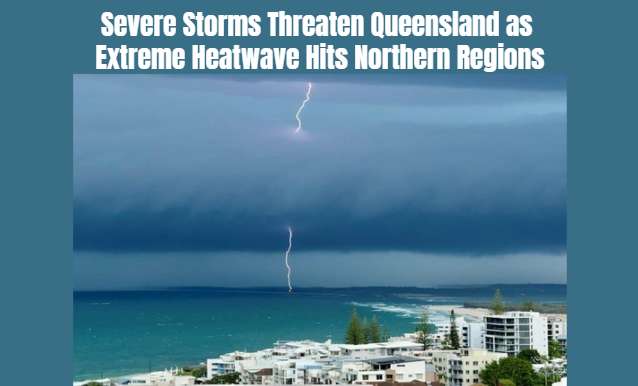
Severe thunderstorms bringing possible large hail, damaging winds and flash flooding are forecast across south-east Queensland, while temperatures in th...
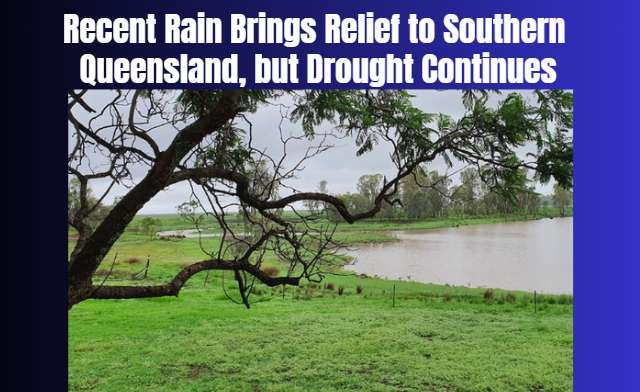
Heavy October rainfall has replenished some farm dams, but Queensland's agriculture minister warns that several drought-declared regions still need sust...
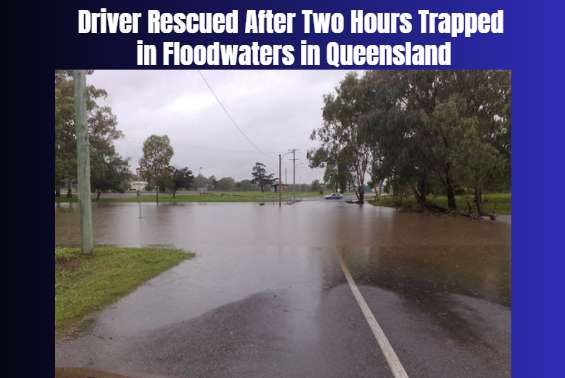
Emergency crews rescued a driver stranded near Mullens Road in Talgai as heavy rain and flash flooding disrupted communities across Queensland’s Souther...
Residents across Adelaide and surrounding areas reported shaking after an earthquake struck offshore, prompting Geoscience Australia to warn that afters...
New training technology at Mount Isa TAFE is giving students the opportunity to experience mining, construction and transport machinery before entering...
A new report has highlighted a growing healthcare funding gap between regional and metropolitan Australia, raising concerns about access to specialist t...
Two men have died after a ute collided with a heavy truck at Bluewater, north of Townsville, prompting a police investigation by Queensland's Forensic C...
A local resident has called for better lighting along a coastal walkway in Geraldton after a woman was assaulted in the area, renewing concerns about sa...
Regional leaders have called for action on deteriorating roads, water security and essential services during a meeting with Queensland ministers and sen...
Five artificial intelligence-powered cameras are expected to be installed across Gippsland ahead of the 2027 fire season, helping emergency services det...
A collision involving two heavy vehicles has closed part of the Great Eastern Highway near Meckering in Western Australia's Wheatbelt, prompting an emer...