Recent Rain Brings Relief to Southern Queensland, but Drought Continues
By Chloe · Published 29 Oct 2026 · Updated 29 Oct 2026
Southern QLD, QLD
Safety note: Admin approval is an initial review, not a guarantee that every detail is correct. Check important or urgent claims with official sources and report anything inaccurate or unsafe.
Source and credit: Contributor's own report
Recent Rain Brings Relief to Southern Queensland, but Drought Continues - Southern QLD, QLD
Smart summary
Heavy October rainfall has replenished some farm dams, but Queensland's agriculture minister warns that several drought-declared regions still need sustained rain before conditions improve significantly.
Recent rainfall across parts of Southern Queensland has provided welcome relief for farmers and rural communities, but authorities have warned that the rain is not enough to bring the region's prolonged drought to an end. The Queensland government says several areas continue to face difficult conditions, highlighting the challenges that remain for agricultural businesses heading into the warmer months.
In a regional news briefing published on 29 October 2026, Queensland Minister for Primary Industries Tony Perrett said the recent rainfall was encouraging but insufficient to break the drought. Goondiwindi, Balonne, Southern Downs and parts of Maranoa Shire have been drought-declared since July.
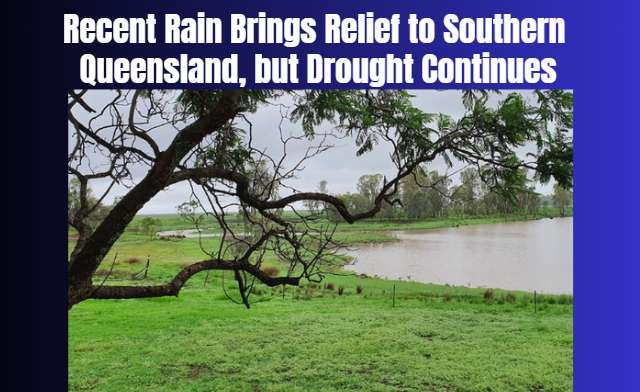
The rain has nevertheless made a noticeable difference on some properties. Samantha Wakerley, a Highland cattle breeder in the region, reported that all seven dams on her property had been empty since April but had filled following more than 200 millimetres of rainfall during October. The improvement demonstrates how quickly local water supplies can respond to substantial rainfall after an extended dry period.
For livestock producers, reliable water supplies are essential for maintaining animal health and managing farm operations. When dams and other water sources dry up, farmers may need to arrange alternative supplies, move livestock or spend more on transporting water and feed. These additional expenses can place pressure on businesses already managing uncertain conditions.
However, rainfall at one property does not necessarily indicate that an entire region has recovered. Rain can be unevenly distributed, with some catchments receiving substantial falls while neighbouring properties receive much less. Water that collects in farm dams also does not automatically restore soil moisture, replenish every water source or reverse the effects of months of dry weather.
Drought conditions can affect several parts of agricultural production at once. Reduced pasture growth can force cattle producers to purchase supplementary feed, while dry soil can limit planting opportunities and affect crop development. Farmers may also face increased operating costs as they manage water supplies and make decisions about stocking levels. The effects can extend to rural businesses that depend on agricultural spending.
The recent rain offers some encouragement as producers prepare for the next stage of the season. Improved dam levels can reduce immediate water concerns on properties that received good falls, while additional rainfall could help support pasture growth and soil moisture. The longer-term outlook, however, depends on where rain falls, how much is received and whether further precipitation follows.
For communities in drought-declared areas, recovery is likely to be gradual rather than immediate. Farmers must assess their individual properties and water supplies, while agricultural authorities continue monitoring conditions across the region.
As of 29 October 2026, the Queensland government's position remains that the rainfall has brought some relief but has not ended the drought. Continued rain will be important for improving conditions across Southern Queensland and easing the pressure on farming families and regional economies.
WaterRainRainfallQueenslandConditions
Recent rainfall across parts of Southern Queensland has provided welcome relief for farmers and rural communities, but authorities have warned that the rain is not enough to bring the region's prolonged drought to an end. The Queensland government says several areas continue to face difficult conditions, highlighting the challenges that remain for agricultural businesses heading into the warmer months.
In a regional news briefing published on 29 October 2026, Queensland Minister for Primary Industries Tony Perrett said the recent rainfall was encouraging but insufficient to break the drought. Goondiwindi, Balonne, Southern Downs and parts of Maranoa Shire have been drought-declared since July.
The rain has nevertheless made a noticeable difference on some properties. Samantha Wakerley, a Highland cattle breeder in the region, reported that all seven dams on her property had been empty since April but had filled following more than 200 millimetres of rainfall during October. The improvement demonstrates how quickly local water supplies can respond to substantial rainfall after an extended dry period.
For livestock producers, reliable water supplies are essential for maintaining animal health and managing farm operations. When dams and other water sources dry up, farmers may need to arrange alternative supplies, move livestock or spend more on transporting water and feed. These additional expenses can place pressure on businesses already managing uncertain conditions.
However, rainfall at one property does not necessarily indicate that an entire region has recovered. Rain can be unevenly distributed, with some catchments receiving substantial falls while neighbouring properties receive much less. Water that collects in farm dams also does not automatically restore soil moisture, replenish every water source or reverse the effects of months of dry weather.
Drought conditions can affect several parts of agricultural production at once. Reduced pasture growth can force cattle producers to purchase supplementary feed, while dry soil can limit planting opportunities and affect crop development. Farmers may also face increased operating costs as they manage water supplies and make decisions about stocking levels. The effects can extend to rural businesses that depend on agricultural spending.
The recent rain offers some encouragement as producers prepare for the next stage of the season. Improved dam levels can reduce immediate water concerns on properties that received good falls, while additional rainfall could help support pasture growth and soil moisture. The longer-term outlook, however, depends on where rain falls, how much is received and whether further precipitation follows.
For communities in drought-declared areas, recovery is likely to be gradual rather than immediate. Farmers must assess their individual properties and water supplies, while agricultural authorities continue monitoring conditions across the region.
As of 29 October 2026, the Queensland government's position remains that the rainfall has brought some relief but has not ended the drought. Continued rain will be important for improving conditions across Southern Queensland and easing the pressure on farming families and regional economies.
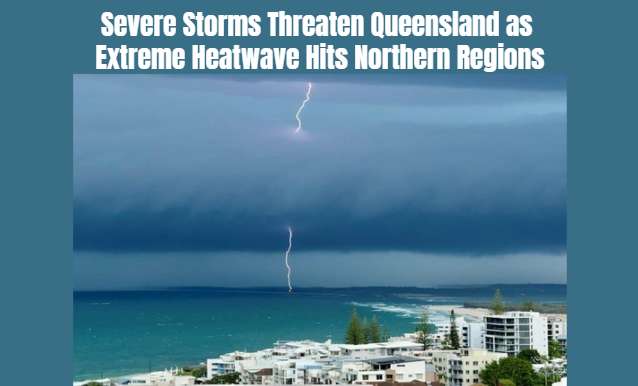
Severe thunderstorms bringing possible large hail, damaging winds and flash flooding are forecast across south-east Queensland, while temperatures in th...
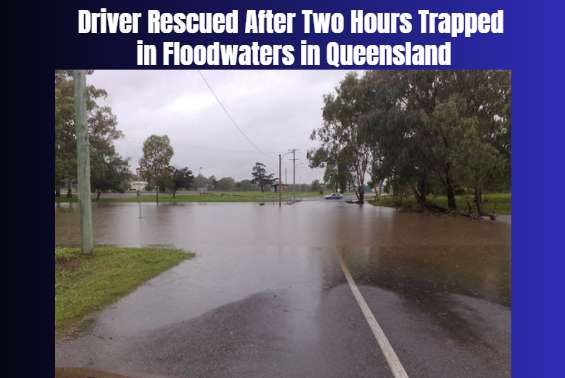
Emergency crews rescued a driver stranded near Mullens Road in Talgai as heavy rain and flash flooding disrupted communities across Queensland’s Souther...
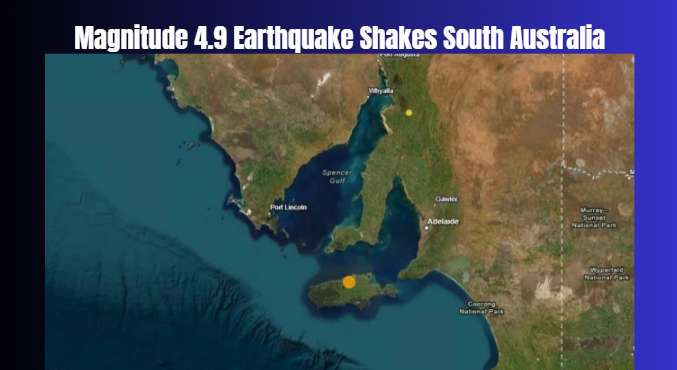
Residents across Adelaide and surrounding areas reported shaking after an earthquake struck offshore, prompting Geoscience Australia to warn that afters...
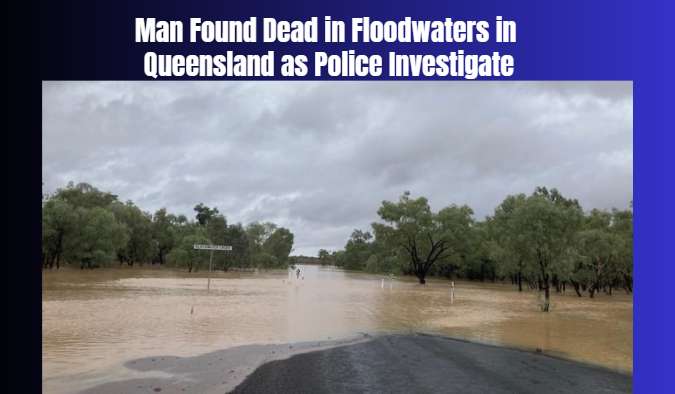
Emergency services found a man dead in floodwaters at Smothering Creek after being called to Boompa Road. Police are investigating the circumstances and...
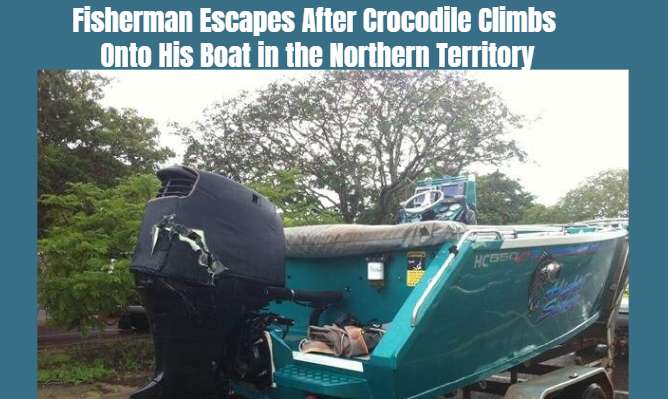
A fisherman escaped unharmed after a large crocodile climbed onto his boat while he was fishing alone on the Mary River, prompting renewed safety warnin...
A filmmaker from Bourke in western New South Wales has taken over leadership of an Indigenous film festival in Paris, creating an opportunity to bring A...
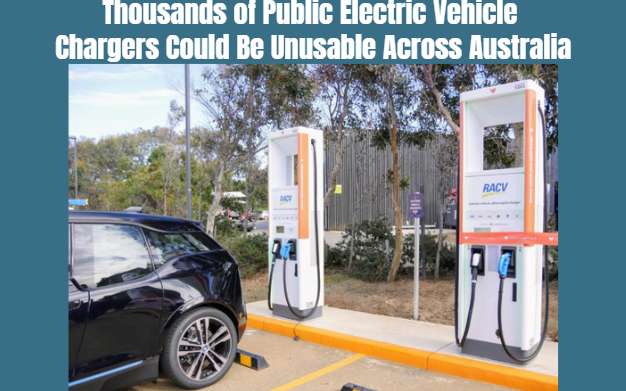
Concerns are growing over the reliability and availability of Australia's public electric vehicle charging network, with thousands of charging points po...
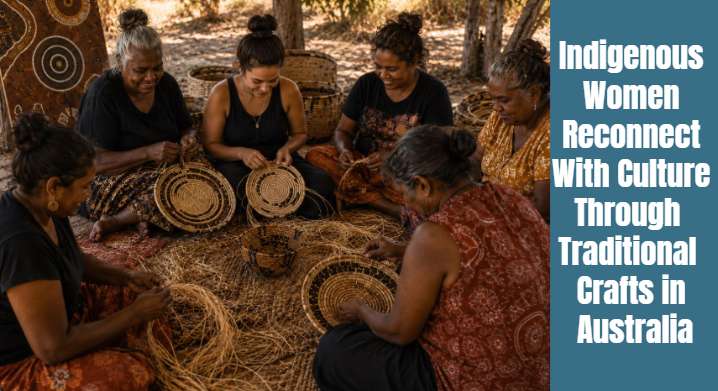
Indigenous women are using traditional weaving and craft-making to strengthen cultural connections, preserve knowledge passed down through generations a...
Eight people have died in separate road crashes across Victoria during the Melbourne Cup long weekend, with four of the fatal incidents involving motorc...
A fisherman escaped unharmed after a large crocodile climbed onto his boat while he was fishing alone on the Mary River, prompting renewed safety warnin...
New South Wales has begun accepting firearms under the national gun buyback scheme, but limited appointment availability has created an early challenge...
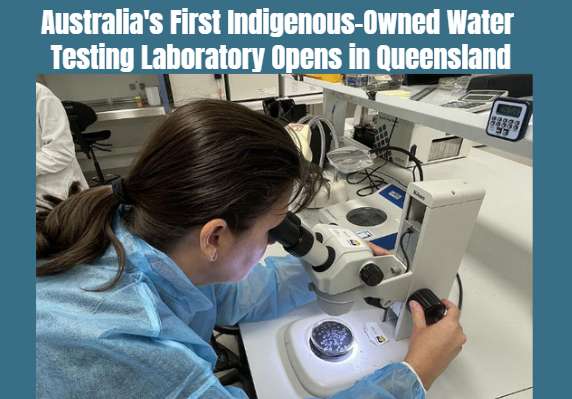
The new laboratory in Bundaberg will allow Indigenous rangers and traditional owner groups to test water locally, strengthening environmental management...