By Chloe · Published 27 Oct 2026 · Updated 27 Oct 2026
Adelaide, SA · South Australia News
Safety note: Admin approval is an initial review, not a guarantee that every detail is correct. Check important or urgent claims with official sources and report anything inaccurate or unsafe.
Source and credit: Contributor's own report
Magnitude 4.9 Earthquake Shakes South Australia - Adelaide, SA
Smart summary
Residents across Adelaide and surrounding areas reported shaking after an earthquake struck offshore, prompting Geoscience Australia to warn that aftershocks are possible.
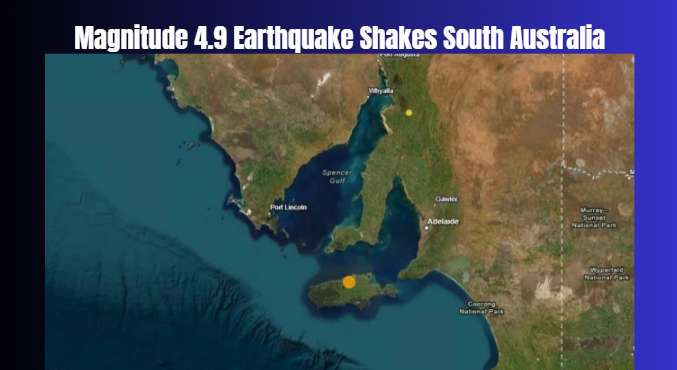
A magnitude-4.9 earthquake struck offshore from South Australia on Tuesday morning, with residents across Adelaide and surrounding regional communities reporting noticeable shaking. The earthquake occurred at approximately 7:50 am local time, according to Geoscience Australia, and was felt more than 100 kilometres from its epicentre.
The earthquake's epicentre was located in waters roughly 100 kilometres offshore, between Kangaroo Island and the state's south-east coast. Its preliminary depth was approximately 10 kilometres, making the tremor noticeable across a broad area.
Residents described furniture moving, windows rattling and objects vibrating as the shaking continued for several seconds. Reports came from Adelaide suburbs, Mount Barker, Goolwa, Kangaroo Island and communities further south-east, including areas around Cape Jaffa and Naracoorte.
Residents report sudden shaking
People across the region initially struggled to identify the source of the movement. Some residents said their homes appeared to shake briefly, while others heard a low rumbling sound or noticed plants and household objects moving.
In Reynella, in Adelaide's southern suburbs, one resident reported that the movement caused coffee to spill. Residents in Goolwa described vibrating plants and a rumbling noise, while people in the Adelaide Hills reported rattling windows.
More than 600 reports had been submitted to Geoscience Australia's earthquake monitoring system as information about the event continued to come in. The reports helped authorities understand how widely the tremor had been felt.
Despite the widespread shaking, early accounts included reports of rattling household objects without damage. Authorities continued monitoring information about the event as more reports became available.
What caused the earthquake
Geoscience Australia said the earthquake was associated with tectonic movement. The Australian continent is moving northwards by approximately seven centimetres each year, and stresses within the Earth's crust can cause sudden movements along faults.
Although Australia does not experience earthquakes as frequently as some regions around the Pacific, significant tremors can occur both inland and offshore. Earthquakes can be felt over large distances depending on their magnitude, depth and the geological conditions through which seismic waves travel.
The offshore location meant the earthquake was felt across several communities without reports in the initial coverage of major damage.
Aftershock monitoring and tsunami risk
Geoscience Australia warned that aftershocks were possible following an earthquake of this size. Aftershocks can occur as the Earth's crust adjusts after the initial movement, although their timing and magnitude cannot be predicted precisely.
A senior seismologist said the earthquake was considered too small to be likely to trigger a tsunami. Offshore earthquakes can generate tsunamis under certain circumstances, but the risk depends on factors such as the earthquake's magnitude, depth and whether it causes significant vertical displacement of the seabed.
Residents who experience further shaking should follow standard earthquake safety guidance, including moving away from windows and protecting themselves from falling objects.
A reminder of Australia's earthquake risk
The event follows other smaller earthquakes reported in South Australia and Victoria in recent weeks. While many earthquakes cause little or no damage, the latest tremor demonstrates that seismic activity can affect populated areas far from the epicentre.
Authorities rely on monitoring networks and public reports to assess earthquakes and improve understanding of their effects. Residents can report what they felt through Geoscience Australia's official earthquake monitoring service.
The magnitude-4.9 earthquake was widely felt across South Australia on Tuesday morning. Officials continued monitoring for aftershocks and assessing reports from affected communities as further information became available.
EarthquakeResidentsEarthquakesFeltMagnitude
A magnitude-4.9 earthquake struck offshore from South Australia on Tuesday morning, with residents across Adelaide and surrounding regional communities reporting noticeable shaking. The earthquake occurred at approximately 7:50 am local time, according to Geoscience Australia, and was felt more than 100 kilometres from its epicentre.
The earthquake's epicentre was located in waters roughly 100 kilometres offshore, between Kangaroo Island and the state's south-east coast. Its preliminary depth was approximately 10 kilometres, making the tremor noticeable across a broad area.
Residents described furniture moving, windows rattling and objects vibrating as the shaking continued for several seconds. Reports came from Adelaide suburbs, Mount Barker, Goolwa, Kangaroo Island and communities further south-east, including areas around Cape Jaffa and Naracoorte.
Residents report sudden shaking
People across the region initially struggled to identify the source of the movement. Some residents said their homes appeared to shake briefly, while others heard a low rumbling sound or noticed plants and household objects moving.
In Reynella, in Adelaide's southern suburbs, one resident reported that the movement caused coffee to spill. Residents in Goolwa described vibrating plants and a rumbling noise, while people in the Adelaide Hills reported rattling windows.
More than 600 reports had been submitted to Geoscience Australia's earthquake monitoring system as information about the event continued to come in. The reports helped authorities understand how widely the tremor had been felt.
Despite the widespread shaking, early accounts included reports of rattling household objects without damage. Authorities continued monitoring information about the event as more reports became available.
What caused the earthquake
Geoscience Australia said the earthquake was associated with tectonic movement. The Australian continent is moving northwards by approximately seven centimetres each year, and stresses within the Earth's crust can cause sudden movements along faults.
Although Australia does not experience earthquakes as frequently as some regions around the Pacific, significant tremors can occur both inland and offshore. Earthquakes can be felt over large distances depending on their magnitude, depth and the geological conditions through which seismic waves travel.
The offshore location meant the earthquake was felt across several communities without reports in the initial coverage of major damage.
Aftershock monitoring and tsunami risk
Geoscience Australia warned that aftershocks were possible following an earthquake of this size. Aftershocks can occur as the Earth's crust adjusts after the initial movement, although their timing and magnitude cannot be predicted precisely.
A senior seismologist said the earthquake was considered too small to be likely to trigger a tsunami. Offshore earthquakes can generate tsunamis under certain circumstances, but the risk depends on factors such as the earthquake's magnitude, depth and whether it causes significant vertical displacement of the seabed.
Residents who experience further shaking should follow standard earthquake safety guidance, including moving away from windows and protecting themselves from falling objects.
A reminder of Australia's earthquake risk
The event follows other smaller earthquakes reported in South Australia and Victoria in recent weeks. While many earthquakes cause little or no damage, the latest tremor demonstrates that seismic activity can affect populated areas far from the epicentre.
Authorities rely on monitoring networks and public reports to assess earthquakes and improve understanding of their effects. Residents can report what they felt through Geoscience Australia's official earthquake monitoring service.
The magnitude-4.9 earthquake was widely felt across South Australia on Tuesday morning. Officials continued monitoring for aftershocks and assessing reports from affected communities as further information became available.
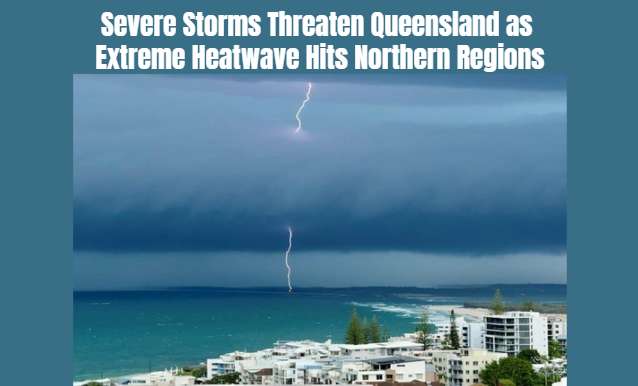
Severe thunderstorms bringing possible large hail, damaging winds and flash flooding are forecast across south-east Queensland, while temperatures in th...
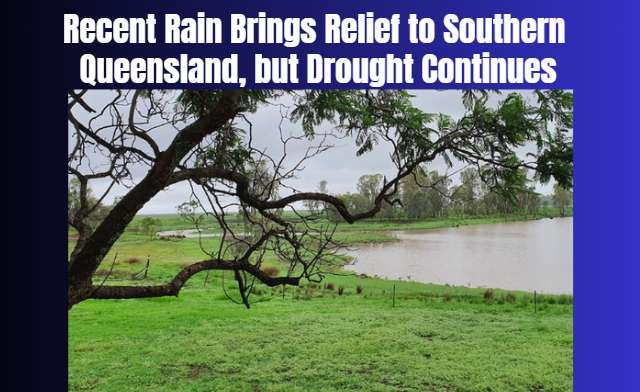
Heavy October rainfall has replenished some farm dams, but Queensland's agriculture minister warns that several drought-declared regions still need sust...
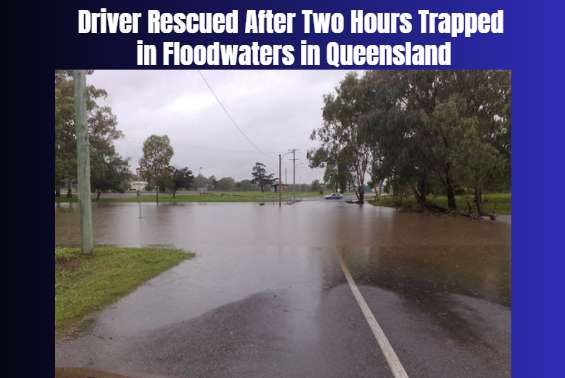
Emergency crews rescued a driver stranded near Mullens Road in Talgai as heavy rain and flash flooding disrupted communities across Queensland’s Souther...
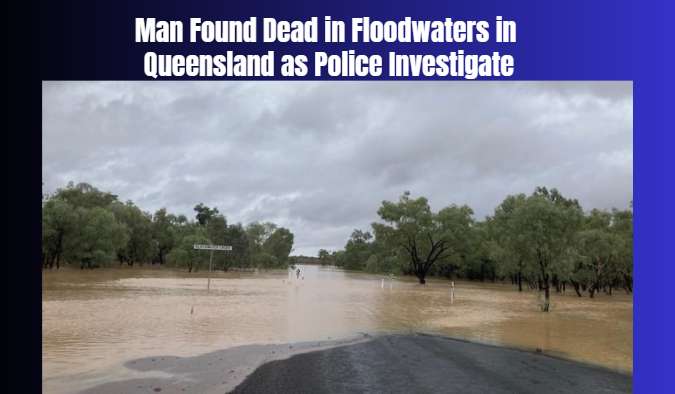
Emergency services found a man dead in floodwaters at Smothering Creek after being called to Boompa Road. Police are investigating the circumstances and...
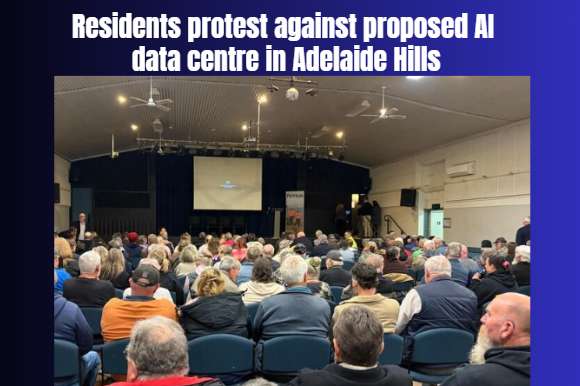
Residents have rallied against a proposed 1,200-megawatt artificial intelligence data centre near Tungkillo, raising concerns about water supplies, land...
South Australian health authorities report 22 meningococcal disease cases this year and urge eligible residents to receive vaccination as contact tracin...
South Australian detectives have arrested a second man over a series of alleged business break-ins, thefts and property damage incidents across metropol...
South Australian police are investigating a fatal shooting in Firle after officers responding to reports of a woman allegedly armed with an axe opened f...
Eight people have died in separate road crashes across Victoria during the Melbourne Cup long weekend, with four of the fatal incidents involving motorc...
A fisherman escaped unharmed after a large crocodile climbed onto his boat while he was fishing alone on the Mary River, prompting renewed safety warnin...
New South Wales has begun accepting firearms under the national gun buyback scheme, but limited appointment availability has created an early challenge...