Safety note: Admin approval is an initial review, not a guarantee that every detail is correct. Check important or urgent claims with official sources and report anything inaccurate or unsafe.
Source and credit: Contributor's own report
Bushfire Smoke Causes Dangerous Air Quality Across Brisbane - Brisbane, QLD
Smart summary
Smoke from multiple Queensland bushfires is affecting Brisbane as hot, dry conditions continue to create difficult firefighting conditions across southeast Queensland.
Brisbane is experiencing a significant deterioration in air quality as smoke from multiple bushfires burning across southeast Queensland moves into the metropolitan area, creating a visible haze and raising concerns for residents sensitive to smoke and airborne pollution.
The smoke comes as Queensland experiences an extended period of unusually hot and dry weather. Bushfires have been burning across several parts of the state's south-east, with authorities closely monitoring fires that have the potential to spread quickly under difficult conditions.
One of the major fires affecting the region has been burning near Plainland in the Lockyer Valley, west of Brisbane. On Sunday, authorities issued a Prepare to Leave warning for the area as the fire threatened nearby properties and caused major disruption to the Warrego Highway.
The highway was temporarily closed in both directions between Brisbane and Toowoomba as emergency crews worked to manage the fire. The road was later reopened after conditions improved, although authorities warned that the fire was expected to continue burning for several days.
The fire also threatened homes in the surrounding area. Lockyer Valley Regional Council said as many as 20 homes could have been at risk, with Queensland Police conducting door-to-door notifications. Some residents voluntarily evacuated while others remained at their properties.
Fire crews faced challenging conditions because of strong northerly winds, high temperatures and very dry vegetation. Emergency services deployed numerous firefighting appliances as well as water-bombing aircraft to assist crews on the ground.
The broader fire situation has contributed to smoke spreading towards Brisbane. Monday's conditions have resulted in a noticeable decline in air quality across parts of the city, with bushfire smoke and fine particles affecting the atmosphere.
The situation is particularly relevant for people with asthma, respiratory conditions or sensitivity to smoke. Residents may notice symptoms such as coughing, throat irritation, difficulty breathing or eye irritation when smoke concentrations increase.
Authorities continue to monitor the movement of smoke and the behaviour of active fires. Residents are encouraged to follow official emergency warnings and monitor local air-quality information, particularly if smoke becomes heavy in their area.
The extreme weather has also contributed to the elevated fire danger. Temperatures across parts of southeast Queensland were reported to be five to 10 degrees above average for September, with inland areas reaching approximately 34 to 36 degrees Celsius.
Meteorologists said some areas experienced their hottest September conditions in several years, increasing the pressure on firefighters dealing with multiple simultaneous incidents.
The bushfire situation remains dynamic, and conditions can change rapidly depending on wind direction, temperature and humidity. Residents should remain alert to emergency warnings and avoid entering areas affected by active fires or heavy smoke.
For Brisbane, the immediate concern is the impact of smoke on air quality rather than a major fire burning within the central city itself. Smoke drifting into the metropolitan area can nevertheless create hazardous conditions and reduce visibility.
Emergency authorities continue to monitor the situation as firefighters work to contain the fires across southeast Queensland.
SmokeConditionsFireAcrossBrisbane
Brisbane is experiencing a significant deterioration in air quality as smoke from multiple bushfires burning across southeast Queensland moves into the metropolitan area, creating a visible haze and raising concerns for residents sensitive to smoke and airborne pollution.
The smoke comes as Queensland experiences an extended period of unusually hot and dry weather. Bushfires have been burning across several parts of the state's south-east, with authorities closely monitoring fires that have the potential to spread quickly under difficult conditions.
One of the major fires affecting the region has been burning near Plainland in the Lockyer Valley, west of Brisbane. On Sunday, authorities issued a Prepare to Leave warning for the area as the fire threatened nearby properties and caused major disruption to the Warrego Highway.
The highway was temporarily closed in both directions between Brisbane and Toowoomba as emergency crews worked to manage the fire. The road was later reopened after conditions improved, although authorities warned that the fire was expected to continue burning for several days.
The fire also threatened homes in the surrounding area. Lockyer Valley Regional Council said as many as 20 homes could have been at risk, with Queensland Police conducting door-to-door notifications. Some residents voluntarily evacuated while others remained at their properties.
Fire crews faced challenging conditions because of strong northerly winds, high temperatures and very dry vegetation. Emergency services deployed numerous firefighting appliances as well as water-bombing aircraft to assist crews on the ground.
The broader fire situation has contributed to smoke spreading towards Brisbane. Monday's conditions have resulted in a noticeable decline in air quality across parts of the city, with bushfire smoke and fine particles affecting the atmosphere.
The situation is particularly relevant for people with asthma, respiratory conditions or sensitivity to smoke. Residents may notice symptoms such as coughing, throat irritation, difficulty breathing or eye irritation when smoke concentrations increase.
Authorities continue to monitor the movement of smoke and the behaviour of active fires. Residents are encouraged to follow official emergency warnings and monitor local air-quality information, particularly if smoke becomes heavy in their area.
The extreme weather has also contributed to the elevated fire danger. Temperatures across parts of southeast Queensland were reported to be five to 10 degrees above average for September, with inland areas reaching approximately 34 to 36 degrees Celsius.
Meteorologists said some areas experienced their hottest September conditions in several years, increasing the pressure on firefighters dealing with multiple simultaneous incidents.
The bushfire situation remains dynamic, and conditions can change rapidly depending on wind direction, temperature and humidity. Residents should remain alert to emergency warnings and avoid entering areas affected by active fires or heavy smoke.
For Brisbane, the immediate concern is the impact of smoke on air quality rather than a major fire burning within the central city itself. Smoke drifting into the metropolitan area can nevertheless create hazardous conditions and reduce visibility.
Emergency authorities continue to monitor the situation as firefighters work to contain the fires across southeast Queensland.
Queensland firefighters spent several hours monitoring a significant grass fire at Mary Kinross Park in Bargara, near Bundaberg, after the blaze broke out on Wednesday evening....
Paramedics responding to an emergency in Alice Springs were forced to use a stretcher as a barricade after an armed and allegedly intoxicated group beca...
Queensland's emerging football prospects are coming together for a three-day Brisbane Lions State Academy showcase, giving young players an opportunity...
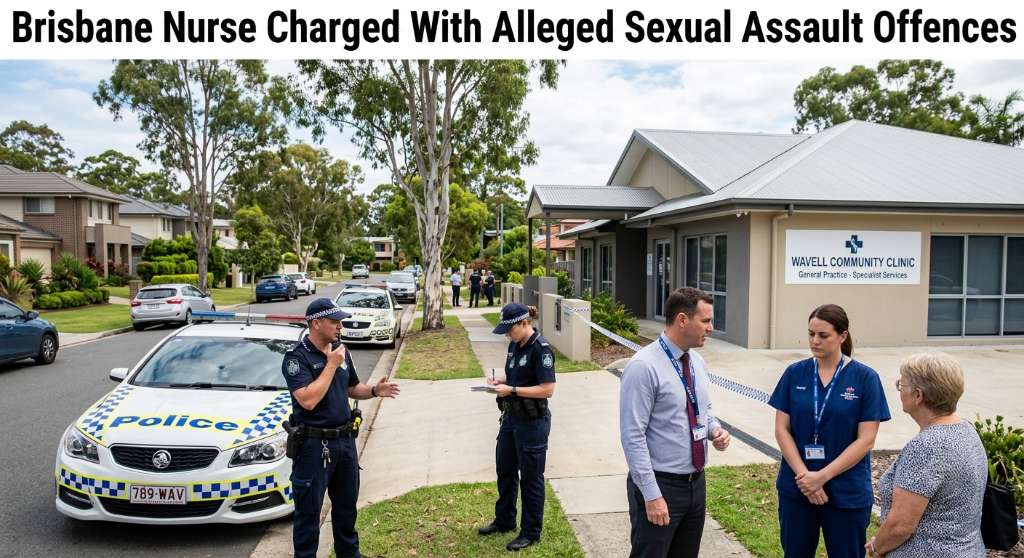
A Wavell Heights enrolled nurse has been charged with four counts of alleged sexual assault and one count of wilful exposure, with his professional regi...
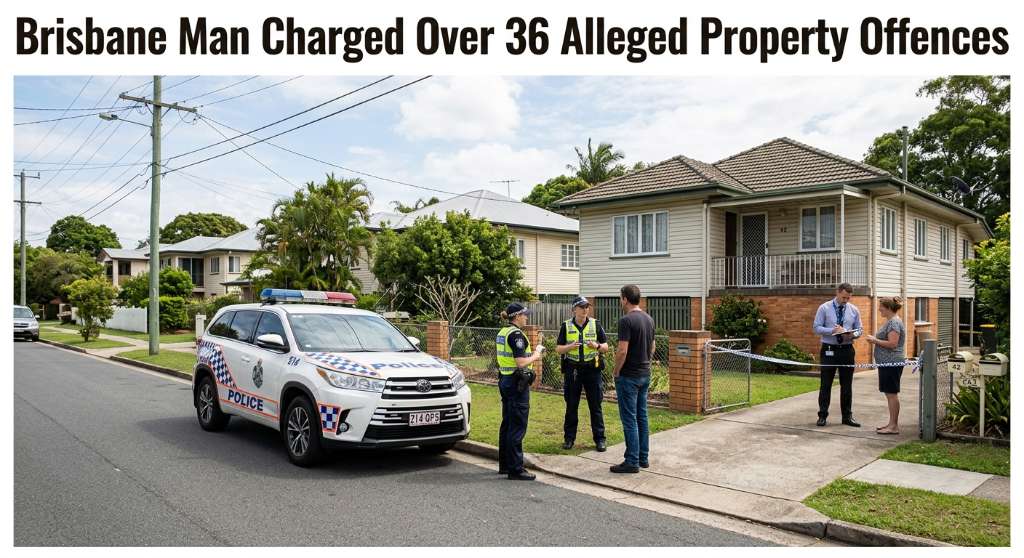
A 24-year-old Carina Heights man has been charged with 36 offences following an investigation into alleged break-ins, vehicle offences and other propert...
Cairns Regional Council has unanimously voted to seek $400,000 in Queensland Government funding for a program designed to connect local businesses with the region’s growing film...
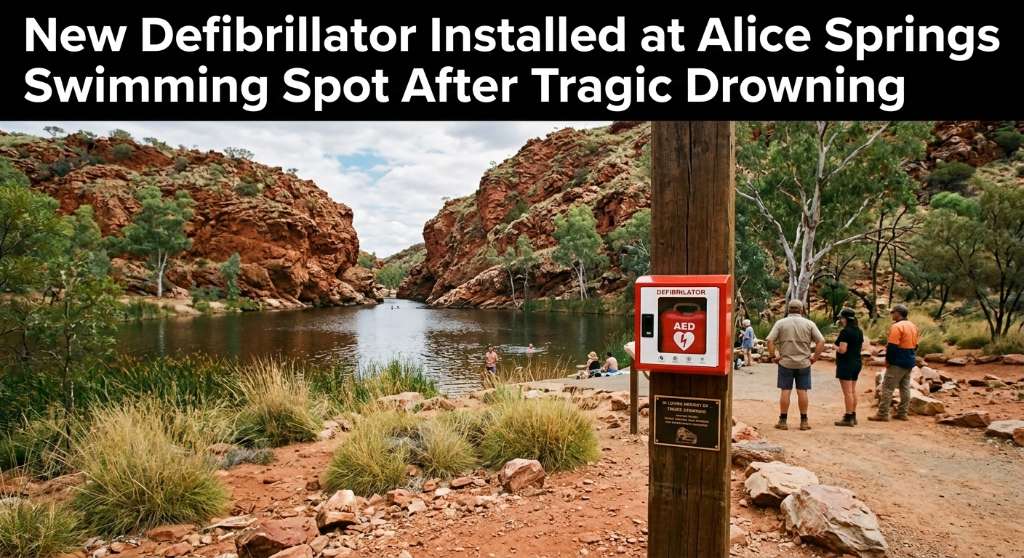
An automated external defibrillator and memorial plaque have been installed at Ellery Creek Big Hole following the death of disability advocate Ellen Fr...
Queensland firefighters spent several hours monitoring a significant grass fire at Mary Kinross Park in Bargara, near Bundaberg, after the blaze broke out on Wednesday evening....