Safety note: Admin approval is an initial review, not a guarantee that every detail is correct. Check important or urgent claims with official sources and report anything inaccurate or unsafe.
Source and credit: Contributor's own report
Changing Australian Nightlife and Pub Culture in the Riverina - Wagga Wagga, NSW
Smart summary
A shift in drinking habits and social life is reshaping pubs across regional Australia, with young people moving away from heavy nightlife toward earlier, healthier, and more activity-based socialising.
Across the Riverina region of New South Wales, pubs and nightlife are undergoing a noticeable cultural shift as younger generations change how they socialise, drink, and spend their evenings.
According to reporting from ABC Riverina, traditional “big night out” culture—once defined by late finishes, heavy drinking, and crowded pubs—has been steadily declining. Instead, many young people are now choosing earlier, shorter, and more activity-focused social experiences, often involving light drinking or none at all.
One university student described how post-COVID changes, stricter campus rules, and shifting attitudes toward alcohol have all contributed to a quieter nightlife scene. He noted that while people still go out, the culture of getting heavily intoxicated is far less common than it used to be.
Why nightlife is changing
Several key factors are driving the shift:
1. Health-conscious generation
Young Australians—particularly Gen Z—are more aware of health impacts of alcohol and are increasingly likely to:
drink less overall choose low-alcohol or alcohol-free options prioritise fitness routines like running clubs or gym sessions
The idea of “getting up at 5am instead of getting home at 5am” has become a cultural reference point for this lifestyle change.
2. Cost of living pressures
Going out has become more expensive:
higher drink prices transport costs venue entry or event costs
This has encouraged more selective and occasional nightlife participation.
3. Post-COVID behaviour shift
After lockdown periods, many people:
reduced large social gatherings became more comfortable with smaller group meetups shifted toward daytime or early-evening activities 4. Changing pub identity
Pubs in regional Australia are no longer just drinking venues. They are evolving into:
dining destinations function spaces live music and event hubs community meeting places
Many venues now rely more on food, events, and non-alcoholic offerings than alcohol sales alone.
Impact on Riverina pubs
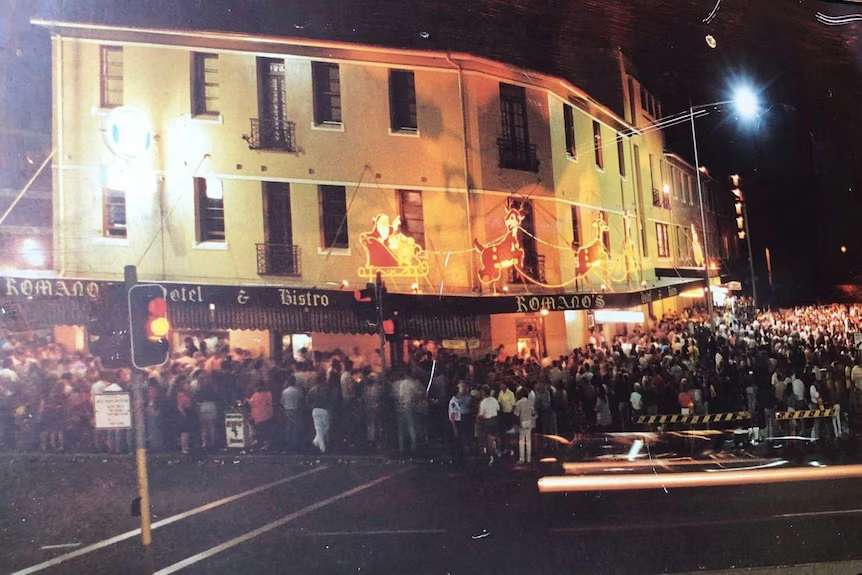
In towns like Wagga Wagga, pubs that once hosted packed late-night crowds now describe a more moderate and mixed-use environment.
Live music still exists but is less alcohol-driven More patrons arrive earlier and leave earlier Food and dining have become central to revenue Non-alcoholic beverages are increasingly common
Industry voices say pubs are adapting by becoming more flexible entertainment venues rather than purely nightlife-focused spaces.
Broader national trend
Research suggests Australia-wide changes in drinking culture:
fewer people drinking at risky levels compared to previous decades increasing abstention among younger adults growth of alternative social activities (fitness clubs, cafés, daytime events)
These changes are reshaping not only nightlife but also how regional communities use pubs as social infrastructure.
PubsNightlifeDrinkingCulturePeople
Across the Riverina region of New South Wales, pubs and nightlife are undergoing a noticeable cultural shift as younger generations change how they socialise, drink, and spend their evenings.
According to reporting from ABC Riverina, traditional “big night out” culture—once defined by late finishes, heavy drinking, and crowded pubs—has been steadily declining. Instead, many young people are now choosing earlier, shorter, and more activity-focused social experiences, often involving light drinking or none at all.
One university student described how post-COVID changes, stricter campus rules, and shifting attitudes toward alcohol have all contributed to a quieter nightlife scene. He noted that while people still go out, the culture of getting heavily intoxicated is far less common than it used to be.
Why nightlife is changing
Several key factors are driving the shift:
1. Health-conscious generation
Young Australians—particularly Gen Z—are more aware of health impacts of alcohol and are increasingly likely to:
drink less overall choose low-alcohol or alcohol-free options prioritise fitness routines like running clubs or gym sessions
The idea of “getting up at 5am instead of getting home at 5am” has become a cultural reference point for this lifestyle change.
2. Cost of living pressures
Going out has become more expensive:
higher drink prices transport costs venue entry or event costs
This has encouraged more selective and occasional nightlife participation.
3. Post-COVID behaviour shift
After lockdown periods, many people:
reduced large social gatherings became more comfortable with smaller group meetups shifted toward daytime or early-evening activities 4. Changing pub identity
Pubs in regional Australia are no longer just drinking venues. They are evolving into:
dining destinations function spaces live music and event hubs community meeting places
Many venues now rely more on food, events, and non-alcoholic offerings than alcohol sales alone.
Impact on Riverina pubs
In towns like Wagga Wagga, pubs that once hosted packed late-night crowds now describe a more moderate and mixed-use environment.
Live music still exists but is less alcohol-driven More patrons arrive earlier and leave earlier Food and dining have become central to revenue Non-alcoholic beverages are increasingly common
Industry voices say pubs are adapting by becoming more flexible entertainment venues rather than purely nightlife-focused spaces.
Broader national trend
Research suggests Australia-wide changes in drinking culture:
fewer people drinking at risky levels compared to previous decades increasing abstention among younger adults growth of alternative social activities (fitness clubs, cafés, daytime events)
These changes are reshaping not only nightlife but also how regional communities use pubs as social infrastructure.
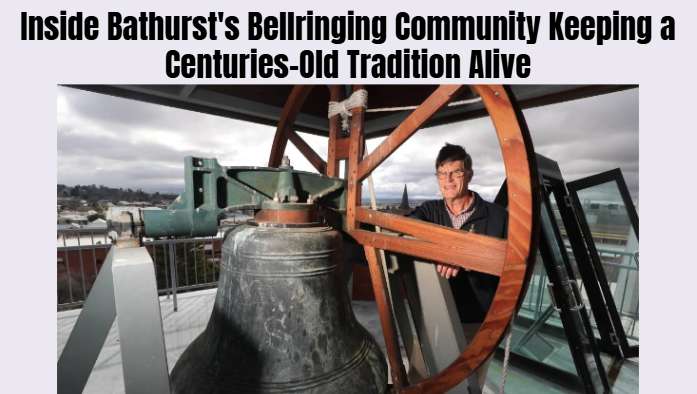
Bathurst bellringers are preparing to gather to celebrate a historic tradition dating back to 17th-century England, bringing together a community dedica...
Changes to Australia’s working holiday visa program have raised concerns among tourism and hospitality businesses in Far North Queensland, where backpac...
Bluebottles measuring up to three times the usual size have been washing onto Gold Coast beaches earlier than expected, prompting questions from scienti...
A high-tech greenhouse at Pacific Pines State High School is giving students hands-on experience in growing fresh produce, learning science and developi...
A 33-year-old man has been charged with six offences following a police pursuit and arrest on the NSW Central Coast. Police say the incident began with...
Bathurst bellringers are preparing to gather to celebrate a historic tradition dating back to 17th-century England, bringing together a community dedica...
New South Wales senator David Shoebridge has been elected leader of the Australian Greens following an internal party-room ballot, succeeding Larissa Wa...
Transport for NSW plans to hire local graziers and station owners to help repair roads damaged by months of heavy rain in the state’s Far West. However,...
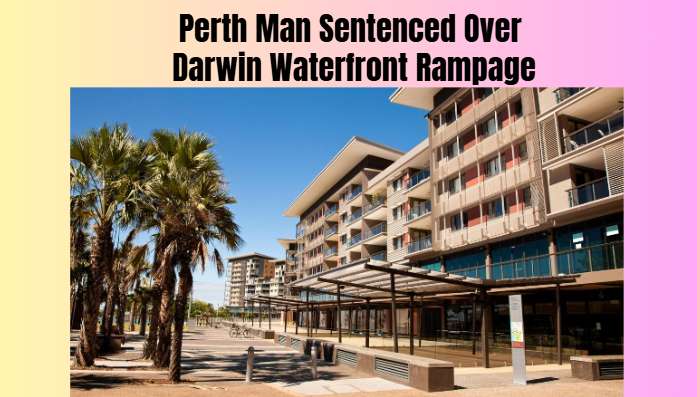
A 36-year-old man extradited from Perth has received a suspended prison sentence after being convicted over a violent incident involving four people at...
Darwin's Frontier Bar and Grill manager Aston Bell has received two industry awards, recognising her leadership, customer service and contribution to th...
A teenager from Devonport has died and four other people were injured after a serious crash involving a ute on Mersey Main Road near Latrobe, Tasmania.