Safety note: Admin approval is an initial review, not a guarantee that every detail is correct. Check important or urgent claims with official sources and report anything inaccurate or unsafe.
Source and credit: Contributor's own report
A bright streak of light moving across the night sky over Queensland.
Smart summary
Residents across Queensland witnessed a brilliant streak of light in the night sky, identified by experts as likely debris from a Chinese rocket re-entering the Earth's atmosphere.
Residents across Queensland were treated to a rare celestial spectacle this week as a bright object illuminated the night sky, sparking widespread discussion and a flood of sightings across social media platforms. Witnesses from Brisbane, the Gold Coast, the Sunshine Coast, and several regional communities reported seeing a brilliant, glowing streak moving across the horizon during the evening hours.
While many observers initially mistook the phenomenon for a meteor or a shooting star, astronomers and space-tracking experts later indicated the object was likely associated with debris from a Chinese launch vehicle returning to Earth. As the rocket fragments entered the atmosphere at high speeds, atmospheric friction generated intense heat, causing the debris to glow brightly and create a dramatic trail visible across large parts of the state.
Observers described seeing a long, glowing object breaking into multiple fragments as it travelled across the sky. Some reported seeing a green, orange, or white glow, which are colours commonly associated with different metallic materials burning during atmospheric re-entry. The event lasted only a short time, but it was visible long enough for many residents to capture videos and photographs of the display.
Space debris re-entries occur regularly around the world, although most pass unnoticed because they happen over oceans or remote, unpopulated regions. Experts have noted that there was no indication that the Queensland sightings posed any danger to the public, as the majority of such objects burn up completely before reaching the ground.
This event has highlighted the increasing amount of human-made material currently orbiting Earth. Thousands of satellites, rocket stages, and other objects circle the planet, with many eventually re-entering the atmosphere after completing their missions. International space agencies continue to monitor larger objects to assess potential risks and predict re-entry paths.
As space activity increases globally, the sighting serves as a reminder of humanity's growing presence in orbit and the ongoing challenges associated with managing space debris. Experts stressed that while such events can be startling, they are generally harmless and provide a fascinating opportunity for the public to observe the interaction between human-made objects and the Earth's atmosphere. Further details may be updated as more information becomes available.
Residents across Queensland were treated to a rare celestial spectacle after a bright object believed to be debris from a Chinese rocket illuminated the night sky, sparking widespread discussion and a flood of sightings on social media.
Witnesses from Brisbane, the Gold Coast, Sunshine Coast and several regional communities reported seeing a brilliant streak of light moving across the sky during the evening. Many initially mistook the phenomenon for a meteor or shooting star, while others speculated it could be space debris re-entering the Earth's atmosphere.
Astronomers and space-tracking experts later indicated the object was likely associated with debris from a Chinese launch vehicle returning to Earth. As the rocket fragments entered the atmosphere at extremely high speeds, friction generated intense heat, causing the debris to glow brightly and create a dramatic trail visible across large areas of Queensland.
Observers described seeing a long, glowing object breaking into multiple fragments as it travelled across the sky. Some reported a green, orange or white glow, colours commonly associated with different materials burning during atmospheric re-entry. The event lasted only a short time but was visible long enough for many people to record videos and photographs.
Space debris re-entries occur regularly around the world, although most pass unnoticed because they happen over oceans or remote regions. The majority of objects burn up completely before reaching the ground. Experts noted there was no indication that the Queensland sightings posed any danger to the public.
The event highlighted the increasing amount of human-made material orbiting Earth. Thousands of satellites, rocket stages and other objects circle the planet, with some eventually re-entering the atmosphere after completing their missions. International space agencies closely monitor larger objects to assess potential risks and predict re-entry paths.
China has become one of the world's most active spacefaring nations, conducting numerous satellite launches, lunar missions and space-station operations.
Some of the country's larger rocket stages have previously attracted global attention when uncontrolled re-entries occurred, prompting discussions about international standards for managing space debris.
Astronomers explained that atmospheric re-entries can often resemble meteor events. However, unlike natural meteors, which originate from space rocks entering Earth's atmosphere, rocket debris typically moves more slowly and may fragment into multiple pieces that remain visible for a longer period.
Social media platforms were quickly filled with videos captured by Queensland residents, with many expressing amazement at witnessing the unusual sight. Amateur astronomers and space enthusiasts also shared tracking information to help identify the object responsible for the display.
The sighting served as a reminder of humanity's growing presence in space and the challenges associated with managing orbital debris. As space activity increases globally, governments and space agencies continue working on technologies and policies aimed at reducing long-term debris risks.
Experts stressed that such events are generally harmless and can provide a fascinating opportunity for the public to observe the interaction between human-made objects and Earth's atmosphere. For many Queenslanders, the unexpected light show became a memorable moment that briefly transformed an ordinary evening into an extraordinary astronomical experience.
DebrisSpaceAcrossAtmosphereEarth
Residents across Queensland were treated to a rare celestial spectacle this week as a bright object illuminated the night sky, sparking widespread discussion and a flood of sightings across social media platforms. Witnesses from Brisbane, the Gold Coast, the Sunshine Coast, and several regional communities reported seeing a brilliant, glowing streak moving across the horizon during the evening hours.
While many observers initially mistook the phenomenon for a meteor or a shooting star, astronomers and space-tracking experts later indicated the object was likely associated with debris from a Chinese launch vehicle returning to Earth. As the rocket fragments entered the atmosphere at high speeds, atmospheric friction generated intense heat, causing the debris to glow brightly and create a dramatic trail visible across large parts of the state.
Observers described seeing a long, glowing object breaking into multiple fragments as it travelled across the sky. Some reported seeing a green, orange, or white glow, which are colours commonly associated with different metallic materials burning during atmospheric re-entry. The event lasted only a short time, but it was visible long enough for many residents to capture videos and photographs of the display.
Space debris re-entries occur regularly around the world, although most pass unnoticed because they happen over oceans or remote, unpopulated regions. Experts have noted that there was no indication that the Queensland sightings posed any danger to the public, as the majority of such objects burn up completely before reaching the ground.
This event has highlighted the increasing amount of human-made material currently orbiting Earth. Thousands of satellites, rocket stages, and other objects circle the planet, with many eventually re-entering the atmosphere after completing their missions. International space agencies continue to monitor larger objects to assess potential risks and predict re-entry paths.
As space activity increases globally, the sighting serves as a reminder of humanity's growing presence in orbit and the ongoing challenges associated with managing space debris. Experts stressed that while such events can be startling, they are generally harmless and provide a fascinating opportunity for the public to observe the interaction between human-made objects and the Earth's atmosphere. Further details may be updated as more information becomes available.
Residents across Queensland were treated to a rare celestial spectacle after a bright object believed to be debris from a Chinese rocket illuminated the night sky, sparking widespread discussion and a flood of sightings on social media.
Witnesses from Brisbane, the Gold Coast, Sunshine Coast and several regional communities reported seeing a brilliant streak of light moving across the sky during the evening. Many initially mistook the phenomenon for a meteor or shooting star, while others speculated it could be space debris re-entering the Earth's atmosphere.
Astronomers and space-tracking experts later indicated the object was likely associated with debris from a Chinese launch vehicle returning to Earth. As the rocket fragments entered the atmosphere at extremely high speeds, friction generated intense heat, causing the debris to glow brightly and create a dramatic trail visible across large areas of Queensland.
Observers described seeing a long, glowing object breaking into multiple fragments as it travelled across the sky. Some reported a green, orange or white glow, colours commonly associated with different materials burning during atmospheric re-entry. The event lasted only a short time but was visible long enough for many people to record videos and photographs.
Space debris re-entries occur regularly around the world, although most pass unnoticed because they happen over oceans or remote regions. The majority of objects burn up completely before reaching the ground. Experts noted there was no indication that the Queensland sightings posed any danger to the public.
The event highlighted the increasing amount of human-made material orbiting Earth. Thousands of satellites, rocket stages and other objects circle the planet, with some eventually re-entering the atmosphere after completing their missions. International space agencies closely monitor larger objects to assess potential risks and predict re-entry paths.
China has become one of the world's most active spacefaring nations, conducting numerous satellite launches, lunar missions and space-station operations.
Some of the country's larger rocket stages have previously attracted global attention when uncontrolled re-entries occurred, prompting discussions about international standards for managing space debris.
Astronomers explained that atmospheric re-entries can often resemble meteor events. However, unlike natural meteors, which originate from space rocks entering Earth's atmosphere, rocket debris typically moves more slowly and may fragment into multiple pieces that remain visible for a longer period.
Social media platforms were quickly filled with videos captured by Queensland residents, with many expressing amazement at witnessing the unusual sight. Amateur astronomers and space enthusiasts also shared tracking information to help identify the object responsible for the display.
The sighting served as a reminder of humanity's growing presence in space and the challenges associated with managing orbital debris. As space activity increases globally, governments and space agencies continue working on technologies and policies aimed at reducing long-term debris risks.
Experts stressed that such events are generally harmless and can provide a fascinating opportunity for the public to observe the interaction between human-made objects and Earth's atmosphere. For many Queenslanders, the unexpected light show became a memorable moment that briefly transformed an ordinary evening into an extraordinary astronomical experience.
Tesla is preparing to bring its driverless Cybercab to Australia for a preview, giving Australians an early look at the company’s autonomous vehicle tec...
A 15-year-old Pacific Lutheran College student has developed a privacy-first women’s health app and presented her work at a major national cyber event.
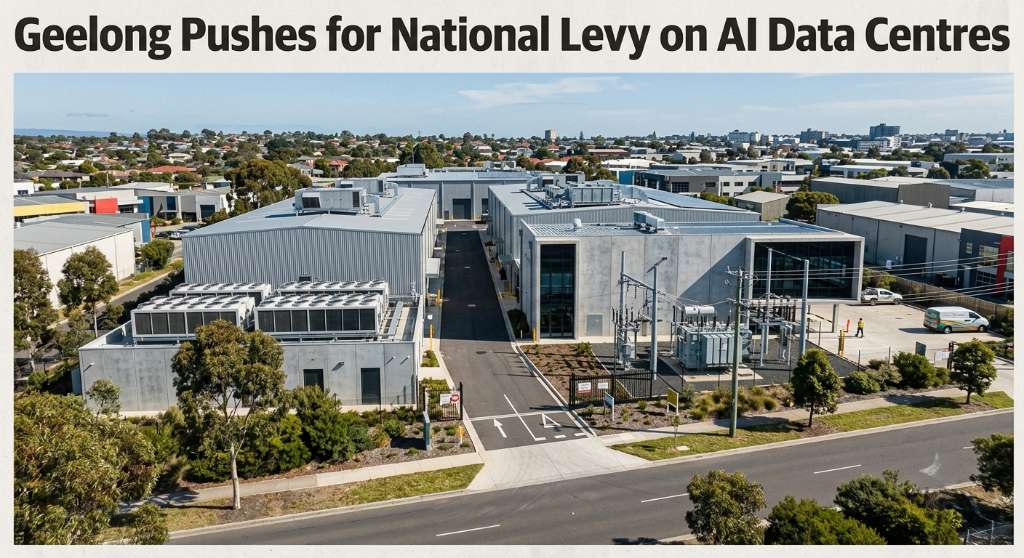
Greater Geelong Council wants data-centre operators to contribute to local infrastructure as community concerns grow over energy, water use and developm...
The Gold Coast is set to build excitement for one of Queensland’s biggest annual sporting events, with Supercars announcing a free community launch event ahead of the 2026 Boost...
A former boarding student at The Southport School (TSS) on the Gold Coast has made serious allegations concerning his experiences at the prestigious Queensland school in the ear...
Gold Coast Queensland · Community News · 07 Sep 2026
Queensland authorities have suspended 39 working-with-children blue cards since the state’s new reportable-conduct scheme began, with more than 660 complaints recorded under the...
Gold Coast Queensland · Entertainment News · 07 Sep 2026
The Gold Coast is hosting a new production of Mamma Mia!, with The Very Popular Theatre Company bringing the ABBA-filled musical to audiences at The Star Gold Coast in Broadbeac...
Queensland's emerging football prospects are coming together for a three-day Brisbane Lions State Academy showcase, giving young players an opportunity...
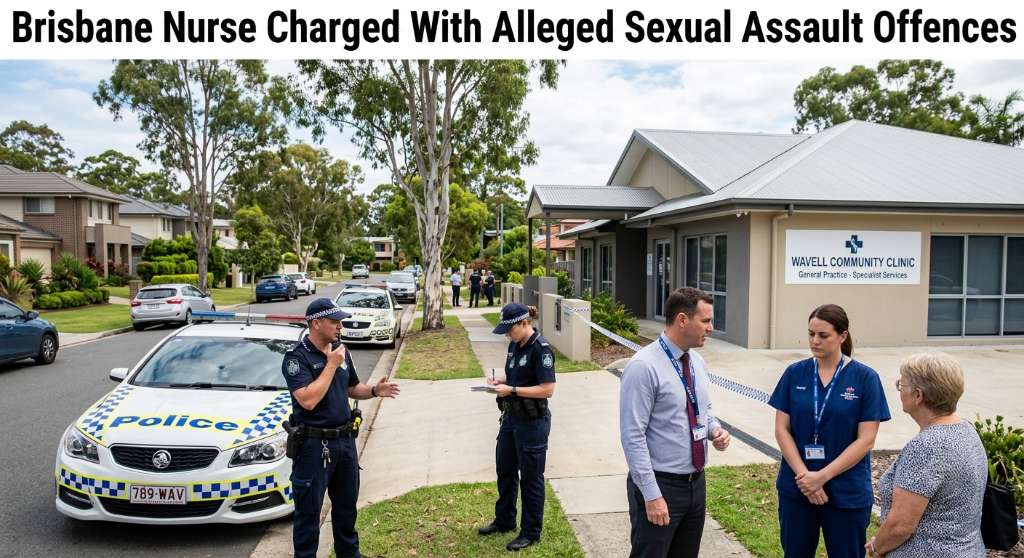
A Wavell Heights enrolled nurse has been charged with four counts of alleged sexual assault and one count of wilful exposure, with his professional regi...
A 24-year-old Carina Heights man has been charged with 36 offences following an investigation into alleged break-ins, vehicle offences and other propert...
Cairns Regional Council has unanimously voted to seek $400,000 in Queensland Government funding for a program designed to connect local businesses with the region’s growing film...
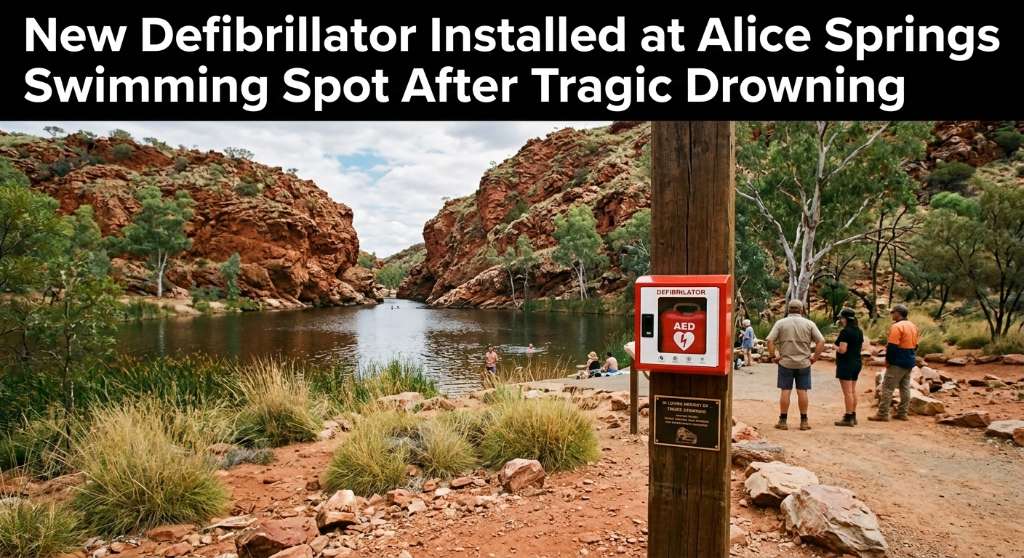
An automated external defibrillator and memorial plaque have been installed at Ellery Creek Big Hole following the death of disability advocate Ellen Fr...
Queensland firefighters spent several hours monitoring a significant grass fire at Mary Kinross Park in Bargara, near Bundaberg, after the blaze broke out on Wednesday evening....