Safety note: Admin approval is an initial review, not a guarantee that every detail is correct. Check important or urgent claims with official sources and report anything inaccurate or unsafe.
Source and credit: Contributor's own report
AI data centres create jobs, but experts question how many long-term positions they deliver - Sydney, NSW
Smart summary
Australia’s growing AI data centre boom is attracting billions of dollars in investment, but questions remain over whether these facilities will create large numbers of permanent jobs or mainly provide short-term cons...
The rapid expansion of artificial intelligence (AI) data centres across Australia has sparked debate about how many jobs these massive technology facilities actually create.
Governments and technology companies have promoted AI infrastructure as a major economic opportunity, with billions of dollars expected to flow into new data centres, energy projects and supporting industries. However, economists and workforce experts are examining whether these projects will provide significant long-term employment or mainly create temporary jobs during construction.
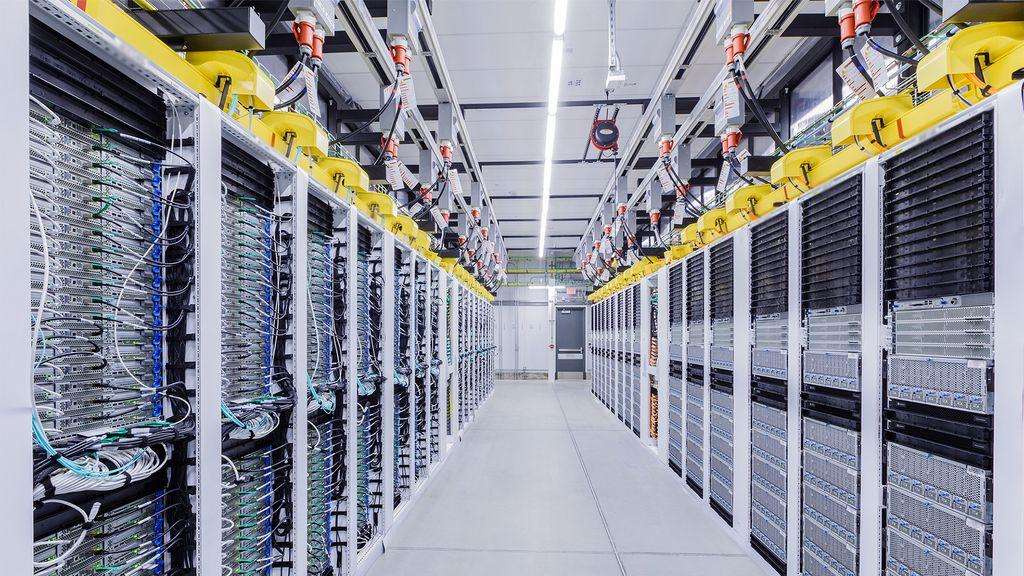
AI data centres are specialised facilities filled with thousands of powerful computers that process information for artificial intelligence systems. Building them requires large construction teams, including electricians, engineers, builders, refrigeration specialists and security workers. This construction phase can create hundreds or thousands of jobs depending on the size of the project.
Once a data centre becomes operational, the number of permanent employees is usually much smaller. Facilities require specialist workers such as data centre technicians, network engineers, cybersecurity professionals, maintenance staff and operations managers. These roles are highly skilled but fewer in number compared with the construction workforce.
Supporters of AI investment argue that the benefits extend beyond direct employment. They say data centres create additional economic activity through supply chains, local services, energy projects and technology businesses that use AI infrastructure. Investment in digital infrastructure can also improve productivity and encourage innovation across different industries.
Australia is experiencing a major increase in interest from global technology companies seeking locations for AI-focused infrastructure. Governments are promoting data centres as part of broader strategies to attract technology investment and strengthen Australia's digital capabilities.
However, critics argue that the number of permanent jobs created by individual facilities may be relatively limited compared with the size of the investment. They say governments should carefully evaluate the economic benefits and consider factors such as electricity demand, water use, environmental impacts and pressure on skilled workers.
The construction boom is already increasing demand for skilled trades. Electricians, mechanical engineers, builders and technicians are among the workers needed to design and maintain AI infrastructure. Industry groups have warned that shortages of skilled workers could become a challenge as more projects begin across Australia.
Some technology executives argue AI will create new employment opportunities by improving productivity and generating demand for new industries. They say the technology should be viewed as a tool that changes the nature of work rather than simply replacing workers.
The debate reflects a broader global discussion about AI's impact on employment. While AI systems are expected to automate some tasks, they are also creating demand for new skills in areas such as machine learning, data management, cybersecurity and infrastructure operations.
For regional areas, AI data centres could bring investment and infrastructure improvements, but communities are also asking whether the economic benefits will remain local. Questions around training opportunities, local hiring and long-term workforce development are becoming increasingly important.
As Australia enters a new era of AI infrastructure growth, the challenge will be balancing technological progress with meaningful employment opportunities. Data centres may not employ thousands of people permanently inside each facility, but their wider economic impact could depend on how effectively governments and businesses build skills, training pathways and supporting industries around them.
DataCentresInfrastructureTechnologyCreate
The rapid expansion of artificial intelligence (AI) data centres across Australia has sparked debate about how many jobs these massive technology facilities actually create.
Governments and technology companies have promoted AI infrastructure as a major economic opportunity, with billions of dollars expected to flow into new data centres, energy projects and supporting industries. However, economists and workforce experts are examining whether these projects will provide significant long-term employment or mainly create temporary jobs during construction.
AI data centres are specialised facilities filled with thousands of powerful computers that process information for artificial intelligence systems. Building them requires large construction teams, including electricians, engineers, builders, refrigeration specialists and security workers. This construction phase can create hundreds or thousands of jobs depending on the size of the project.
Once a data centre becomes operational, the number of permanent employees is usually much smaller. Facilities require specialist workers such as data centre technicians, network engineers, cybersecurity professionals, maintenance staff and operations managers. These roles are highly skilled but fewer in number compared with the construction workforce.
Supporters of AI investment argue that the benefits extend beyond direct employment. They say data centres create additional economic activity through supply chains, local services, energy projects and technology businesses that use AI infrastructure. Investment in digital infrastructure can also improve productivity and encourage innovation across different industries.
Australia is experiencing a major increase in interest from global technology companies seeking locations for AI-focused infrastructure. Governments are promoting data centres as part of broader strategies to attract technology investment and strengthen Australia's digital capabilities.
However, critics argue that the number of permanent jobs created by individual facilities may be relatively limited compared with the size of the investment. They say governments should carefully evaluate the economic benefits and consider factors such as electricity demand, water use, environmental impacts and pressure on skilled workers.
The construction boom is already increasing demand for skilled trades. Electricians, mechanical engineers, builders and technicians are among the workers needed to design and maintain AI infrastructure. Industry groups have warned that shortages of skilled workers could become a challenge as more projects begin across Australia.
Some technology executives argue AI will create new employment opportunities by improving productivity and generating demand for new industries. They say the technology should be viewed as a tool that changes the nature of work rather than simply replacing workers.
The debate reflects a broader global discussion about AI's impact on employment. While AI systems are expected to automate some tasks, they are also creating demand for new skills in areas such as machine learning, data management, cybersecurity and infrastructure operations.
For regional areas, AI data centres could bring investment and infrastructure improvements, but communities are also asking whether the economic benefits will remain local. Questions around training opportunities, local hiring and long-term workforce development are becoming increasingly important.
As Australia enters a new era of AI infrastructure growth, the challenge will be balancing technological progress with meaningful employment opportunities. Data centres may not employ thousands of people permanently inside each facility, but their wider economic impact could depend on how effectively governments and businesses build skills, training pathways and supporting industries around them.
Tesla is preparing to bring its driverless Cybercab to Australia for a preview, giving Australians an early look at the company’s autonomous vehicle tec...
A 15-year-old Pacific Lutheran College student has developed a privacy-first women’s health app and presented her work at a major national cyber event.
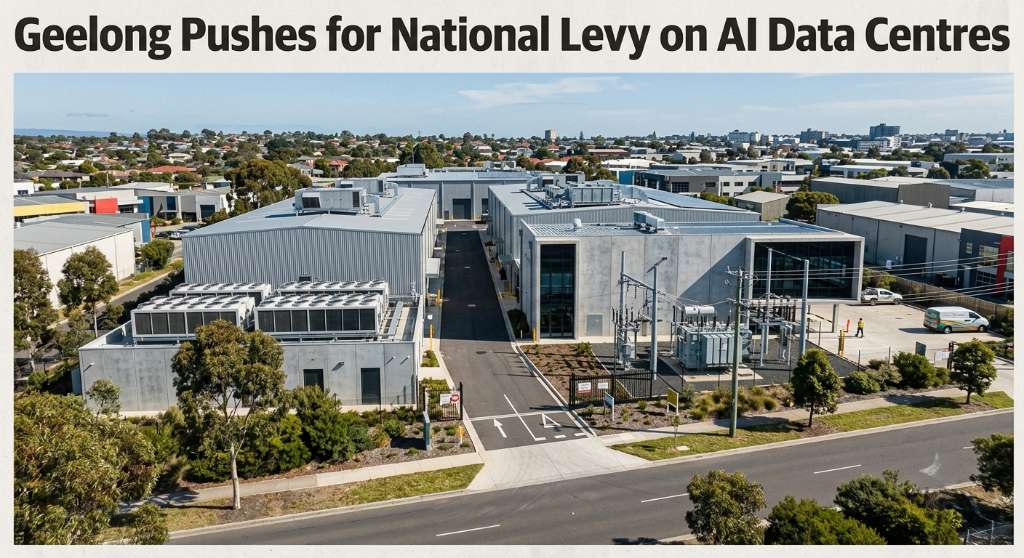
Greater Geelong Council wants data-centre operators to contribute to local infrastructure as community concerns grow over energy, water use and developm...
A 36-year-old man has been charged after investigators allegedly found fraudulent identification documents, cloned number plates, cash and drug-manufact...
A Sydney court has heard that a man sent 249 messages to a former partner within 24 hours, with the messages treated as a single alleged breach of an ap...
A high-profile athlete has returned to court and told the hearing that an alleged unwanted kiss by former broadcaster Alan Jones remained difficult to f...
Work on the $150 million Sydney Town Hall Square project has been paused after the NSW Planning Minister referred the development for review by the Inde...
Cairns Regional Council has unanimously voted to seek $400,000 in Queensland Government funding for a program designed to connect local businesses with the region’s growing film...
An automated external defibrillator and memorial plaque have been installed at Ellery Creek Big Hole following the death of disability advocate Ellen Fr...
Queensland firefighters spent several hours monitoring a significant grass fire at Mary Kinross Park in Bargara, near Bundaberg, after the blaze broke out on Wednesday evening....