Safety note: Admin approval is an initial review, not a guarantee that every detail is correct. Check important or urgent claims with official sources and report anything inaccurate or unsafe.
Source and credit: Contributor's own report
NSW Net Zero Report Warns Coal Expansion and Data Centres Threaten Climate Targets - Sydney, NSW
Smart summary
The NSW Net Zero Commission has warned the state is falling behind its emissions reduction goals, with coal mining growth and rising demand from large data centres creating additional challenges for reaching climate t...
New South Wales is facing growing challenges in meeting its legally set climate targets, with the state's independent Net Zero Commission warning that faster action is needed to reduce emissions and prepare communities for the impacts of climate change.
The Commission's 2026 Annual Progress Report found that while NSW has made progress in moving towards a lower-emissions economy, the current pace of change is not fast enough to meet the state's legislated targets of reducing emissions by 50 per cent by 2030 and 70 per cent by 2035 compared with 2005 levels.
The report highlighted concerns about emissions from the resources sector, particularly coal mining, which remains one of the state's major sources of industrial emissions. According to the Commission, coal mining accounts for the vast majority of resources-sector emissions, and projected increases from mine extensions and expansions could make future reductions more difficult.
The watchdog said planning decisions, including approvals for new developments and expansions, need to better consider their impact on NSW's climate commitments. It recommended stronger consideration of emissions impacts when assessing major projects, particularly coal mines and high-energy developments such as large data centres.
The report also raised concerns about the rapid growth of AI-driven data centres. These facilities require significant amounts of electricity, and the Commission warned that planning for new infrastructure must take into account the state's ability to transition towards cleaner energy while maintaining reliability.
NSW is experiencing increasing demand for electricity as industries expand and technologies such as artificial intelligence become more widespread. The challenge is ensuring that new energy demand is matched with renewable energy generation, storage capacity and improved electricity networks.
The Commission said NSW needs to accelerate the rollout of renewable energy projects and improve climate adaptation measures as communities face increasing risks from extreme weather events, including heatwaves, floods and bushfires.
The report included several recommendations aimed at helping NSW return to a pathway consistent with its emissions targets. These include improving alignment between planning decisions and climate goals, supporting industrial decarbonisation, and strengthening policies that reduce emissions across different sectors.
Environmental groups welcomed the findings, arguing the report shows stronger action is needed on fossil fuel projects and major energy users. They said continued coal expansion could make it harder for NSW to achieve its climate commitments.
However, the coal industry has previously argued that the sector remains economically important for NSW through jobs, exports and regional communities, while also pointing to efforts to reduce operational emissions.
The debate highlights the difficult balance facing governments: maintaining economic growth and energy security while reducing greenhouse gas emissions.
The Net Zero Commission said NSW still has opportunities to meet its climate goals, but achieving them will require quicker emissions reductions, stronger renewable energy investment and careful decisions about future developments.
EmissionsClimateEnergyCoalCommission
New South Wales is facing growing challenges in meeting its legally set climate targets, with the state's independent Net Zero Commission warning that faster action is needed to reduce emissions and prepare communities for the impacts of climate change.
The Commission's 2026 Annual Progress Report found that while NSW has made progress in moving towards a lower-emissions economy, the current pace of change is not fast enough to meet the state's legislated targets of reducing emissions by 50 per cent by 2030 and 70 per cent by 2035 compared with 2005 levels.
The report highlighted concerns about emissions from the resources sector, particularly coal mining, which remains one of the state's major sources of industrial emissions. According to the Commission, coal mining accounts for the vast majority of resources-sector emissions, and projected increases from mine extensions and expansions could make future reductions more difficult.
The watchdog said planning decisions, including approvals for new developments and expansions, need to better consider their impact on NSW's climate commitments. It recommended stronger consideration of emissions impacts when assessing major projects, particularly coal mines and high-energy developments such as large data centres.
The report also raised concerns about the rapid growth of AI-driven data centres. These facilities require significant amounts of electricity, and the Commission warned that planning for new infrastructure must take into account the state's ability to transition towards cleaner energy while maintaining reliability.
NSW is experiencing increasing demand for electricity as industries expand and technologies such as artificial intelligence become more widespread. The challenge is ensuring that new energy demand is matched with renewable energy generation, storage capacity and improved electricity networks.
The Commission said NSW needs to accelerate the rollout of renewable energy projects and improve climate adaptation measures as communities face increasing risks from extreme weather events, including heatwaves, floods and bushfires.
The report included several recommendations aimed at helping NSW return to a pathway consistent with its emissions targets. These include improving alignment between planning decisions and climate goals, supporting industrial decarbonisation, and strengthening policies that reduce emissions across different sectors.
Environmental groups welcomed the findings, arguing the report shows stronger action is needed on fossil fuel projects and major energy users. They said continued coal expansion could make it harder for NSW to achieve its climate commitments.
However, the coal industry has previously argued that the sector remains economically important for NSW through jobs, exports and regional communities, while also pointing to efforts to reduce operational emissions.
The debate highlights the difficult balance facing governments: maintaining economic growth and energy security while reducing greenhouse gas emissions.
The Net Zero Commission said NSW still has opportunities to meet its climate goals, but achieving them will require quicker emissions reductions, stronger renewable energy investment and careful decisions about future developments.
Tesla is preparing to bring its driverless Cybercab to Australia for a preview, giving Australians an early look at the company’s autonomous vehicle tec...
A 15-year-old Pacific Lutheran College student has developed a privacy-first women’s health app and presented her work at a major national cyber event.
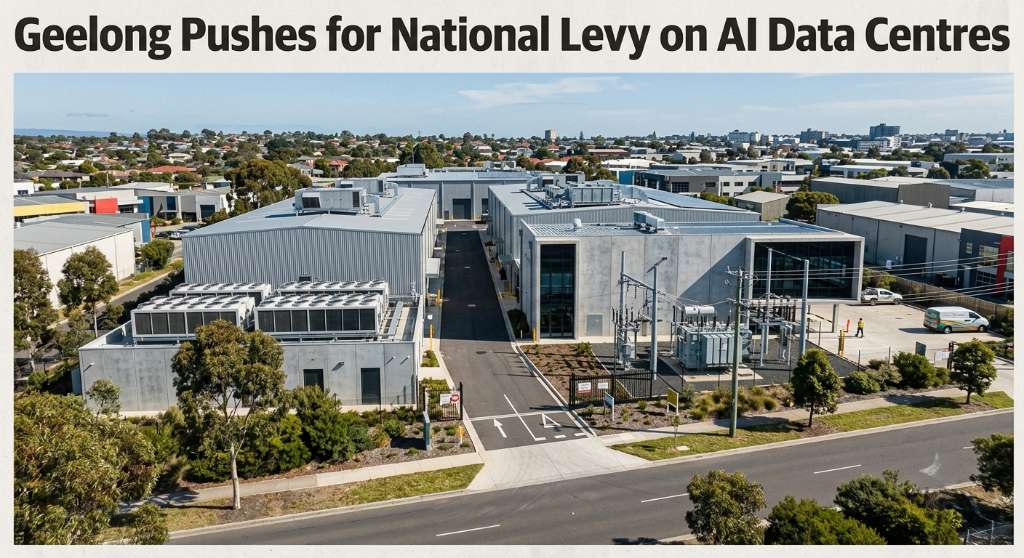
Greater Geelong Council wants data-centre operators to contribute to local infrastructure as community concerns grow over energy, water use and developm...
A 36-year-old man has been charged after investigators allegedly found fraudulent identification documents, cloned number plates, cash and drug-manufact...
A Sydney court has heard that a man sent 249 messages to a former partner within 24 hours, with the messages treated as a single alleged breach of an ap...
A high-profile athlete has returned to court and told the hearing that an alleged unwanted kiss by former broadcaster Alan Jones remained difficult to f...
Work on the $150 million Sydney Town Hall Square project has been paused after the NSW Planning Minister referred the development for review by the Inde...
Cairns Regional Council has unanimously voted to seek $400,000 in Queensland Government funding for a program designed to connect local businesses with the region’s growing film...
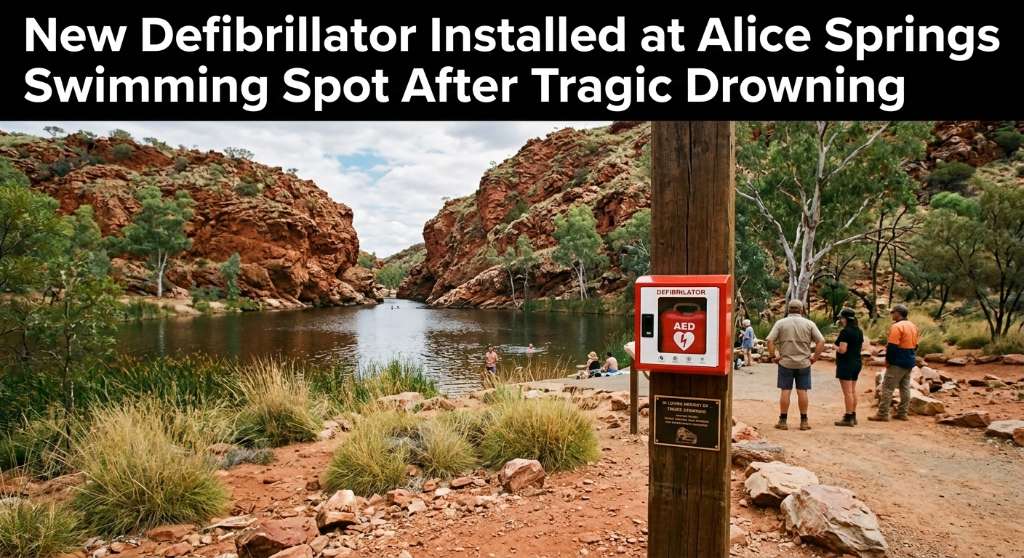
An automated external defibrillator and memorial plaque have been installed at Ellery Creek Big Hole following the death of disability advocate Ellen Fr...
Queensland firefighters spent several hours monitoring a significant grass fire at Mary Kinross Park in Bargara, near Bundaberg, after the blaze broke out on Wednesday evening....