Safety note: Admin approval is an initial review, not a guarantee that every detail is correct. Check important or urgent claims with official sources and report anything inaccurate or unsafe.
Source and credit: Contributor's own report
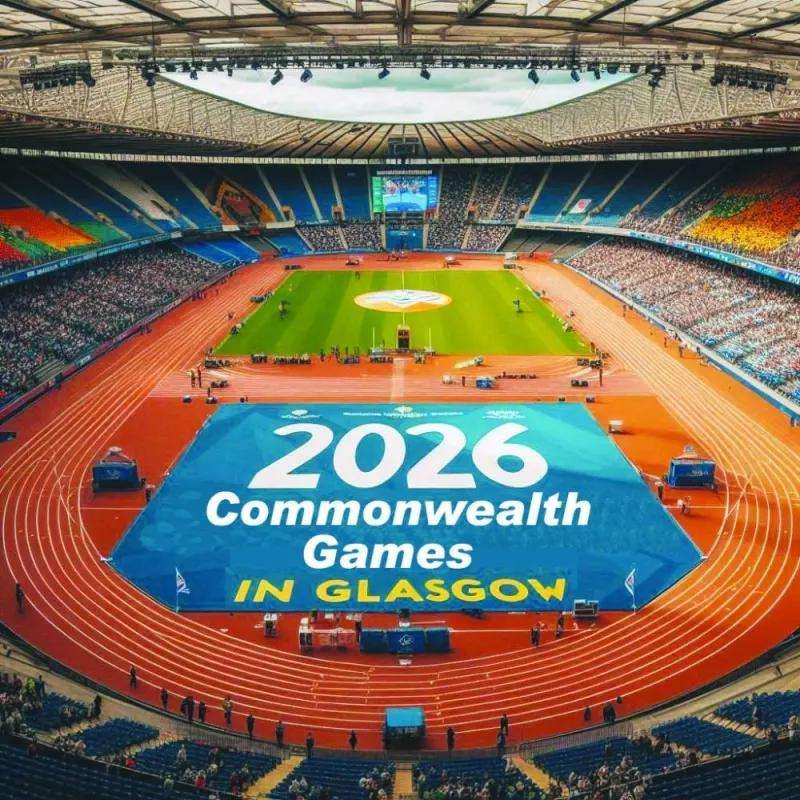
Commonwealth Games 2026: How Victoria Lost Hosting Rights and Glasgow Took Over - Geelong, VIC
Smart summary
The 2026 Commonwealth Games were originally planned for regional Victoria but will now be held in Glasgow, Scotland, after Victoria withdrew from hosting the event because of escalating costs.
The 2026 Commonwealth Games have taken a dramatic path from a planned regional Victorian celebration to a scaled-down international event in Glasgow, Scotland.
The Games were originally scheduled to be hosted by Victoria, with plans to showcase regional cities including Geelong, Ballarat, Bendigo and Gippsland. The Victorian Government announced the withdrawal from hosting in 2023 after estimating the cost of delivering the event had increased significantly, with concerns about financial pressure on the state budget.
The decision left the future of the 2026 Games uncertain, but Glasgow stepped forward as a replacement host. The Scottish city, which previously hosted the Commonwealth Games in 2014, was selected to deliver a more compact version of the event using existing venues and a reduced program.
Unlike previous Commonwealth Games, the 2026 event will feature a smaller number of sports. The revised format focuses on reducing costs while maintaining a major international sporting competition. More than 2,700 athletes from Commonwealth nations are expected to compete across a 10-sport program.
The change of host has generated debate in Australia, particularly among Victorian communities that had expected long-term benefits from hosting the Games. Regional towns had anticipated new infrastructure, tourism opportunities and sporting upgrades linked to the event. Some projects and planned legacy benefits were affected after the cancellation, leaving questions about the future of those investments.
Supporters of Victoria’s decision argue that withdrawing prevented taxpayers from carrying a large financial burden. The Victorian Government maintained that the projected costs had become too high and that cancelling the event was a responsible financial decision.
However, critics argued that cancelling the Games damaged Victoria’s reputation as an international events destination and reduced opportunities for regional communities. They said the original plan could have delivered significant economic and social benefits through tourism, employment and infrastructure improvements.
Glasgow’s approach represents a different model for major sporting events. Instead of building large numbers of new facilities, organisers are using existing venues and concentrating activities within a smaller area of the city. Organisers say this approach aims to create a more affordable and sustainable Commonwealth Games model.
The event will run from 23 July to 2 August 2026, returning the Commonwealth Games to Glasgow for the second time in history. The city hopes its experience from 2014 will help deliver a successful competition despite the shorter preparation period and reduced scale.
For Australian athletes, the focus has shifted from competing on home soil to representing the nation overseas. Commonwealth Games Australia has said the Australian team remains committed to achieving strong performances and making the most of the Glasgow opportunity.
The story of the 2026 Commonwealth Games highlights the growing challenge of hosting major sporting events. Rising construction costs, infrastructure demands and financial risks are forcing governments and sporting organisations to rethink how global competitions are delivered.
While Victoria’s hosting dream ended, Glasgow’s version of the Games aims to create a smaller, more sustainable model that could influence the future direction of the Commonwealth sporting movement.
GamesCommonwealthEventGlasgowSporting
The 2026 Commonwealth Games have taken a dramatic path from a planned regional Victorian celebration to a scaled-down international event in Glasgow, Scotland.
The Games were originally scheduled to be hosted by Victoria, with plans to showcase regional cities including Geelong, Ballarat, Bendigo and Gippsland. The Victorian Government announced the withdrawal from hosting in 2023 after estimating the cost of delivering the event had increased significantly, with concerns about financial pressure on the state budget.
The decision left the future of the 2026 Games uncertain, but Glasgow stepped forward as a replacement host. The Scottish city, which previously hosted the Commonwealth Games in 2014, was selected to deliver a more compact version of the event using existing venues and a reduced program.
Unlike previous Commonwealth Games, the 2026 event will feature a smaller number of sports. The revised format focuses on reducing costs while maintaining a major international sporting competition. More than 2,700 athletes from Commonwealth nations are expected to compete across a 10-sport program.
The change of host has generated debate in Australia, particularly among Victorian communities that had expected long-term benefits from hosting the Games. Regional towns had anticipated new infrastructure, tourism opportunities and sporting upgrades linked to the event. Some projects and planned legacy benefits were affected after the cancellation, leaving questions about the future of those investments.
Supporters of Victoria’s decision argue that withdrawing prevented taxpayers from carrying a large financial burden. The Victorian Government maintained that the projected costs had become too high and that cancelling the event was a responsible financial decision.
However, critics argued that cancelling the Games damaged Victoria’s reputation as an international events destination and reduced opportunities for regional communities. They said the original plan could have delivered significant economic and social benefits through tourism, employment and infrastructure improvements.
Glasgow’s approach represents a different model for major sporting events. Instead of building large numbers of new facilities, organisers are using existing venues and concentrating activities within a smaller area of the city. Organisers say this approach aims to create a more affordable and sustainable Commonwealth Games model.
The event will run from 23 July to 2 August 2026, returning the Commonwealth Games to Glasgow for the second time in history. The city hopes its experience from 2014 will help deliver a successful competition despite the shorter preparation period and reduced scale.
For Australian athletes, the focus has shifted from competing on home soil to representing the nation overseas. Commonwealth Games Australia has said the Australian team remains committed to achieving strong performances and making the most of the Glasgow opportunity.
The story of the 2026 Commonwealth Games highlights the growing challenge of hosting major sporting events. Rising construction costs, infrastructure demands and financial risks are forcing governments and sporting organisations to rethink how global competitions are delivered.
While Victoria’s hosting dream ended, Glasgow’s version of the Games aims to create a smaller, more sustainable model that could influence the future direction of the Commonwealth sporting movement.
Queensland's emerging football prospects are coming together for a three-day Brisbane Lions State Academy showcase, giving young players an opportunity...
Twenty leading NPL Queensland players have been selected for two upcoming matches against Brisbane Roar as part of the 2026 Mitre Festival of Football.
New workplace data shows staff absenteeism jumped sharply during the historic MCG NFL event, while Melbourne businesses also benefited from a major spen...
Cairns Regional Council has unanimously voted to seek $400,000 in Queensland Government funding for a program designed to connect local businesses with the region’s growing film...
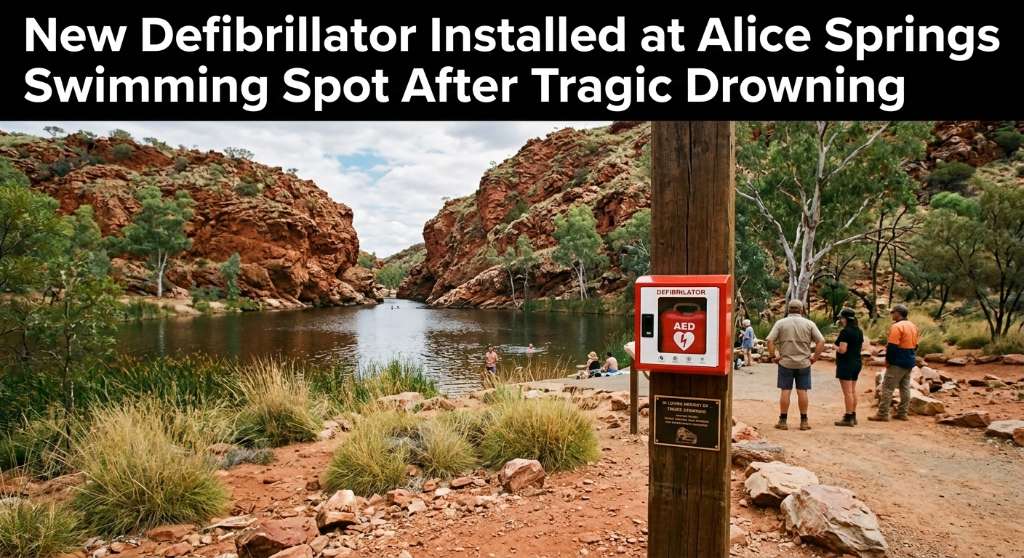
An automated external defibrillator and memorial plaque have been installed at Ellery Creek Big Hole following the death of disability advocate Ellen Fr...
Queensland firefighters spent several hours monitoring a significant grass fire at Mary Kinross Park in Bargara, near Bundaberg, after the blaze broke out on Wednesday evening....