Safety note: Admin approval is an initial review, not a guarantee that every detail is correct. Check important or urgent claims with official sources and report anything inaccurate or unsafe.
Source and credit: Contributor's own report
Como Resident Shocked After Being Asked to Pay to Remove Old Telstra Box From Council Verge - Sydney, NSW
Smart summary
A Sydney resident has questioned why they may need to pay for the removal of a disused Telstra telecommunications box located on a council-owned nature strip.
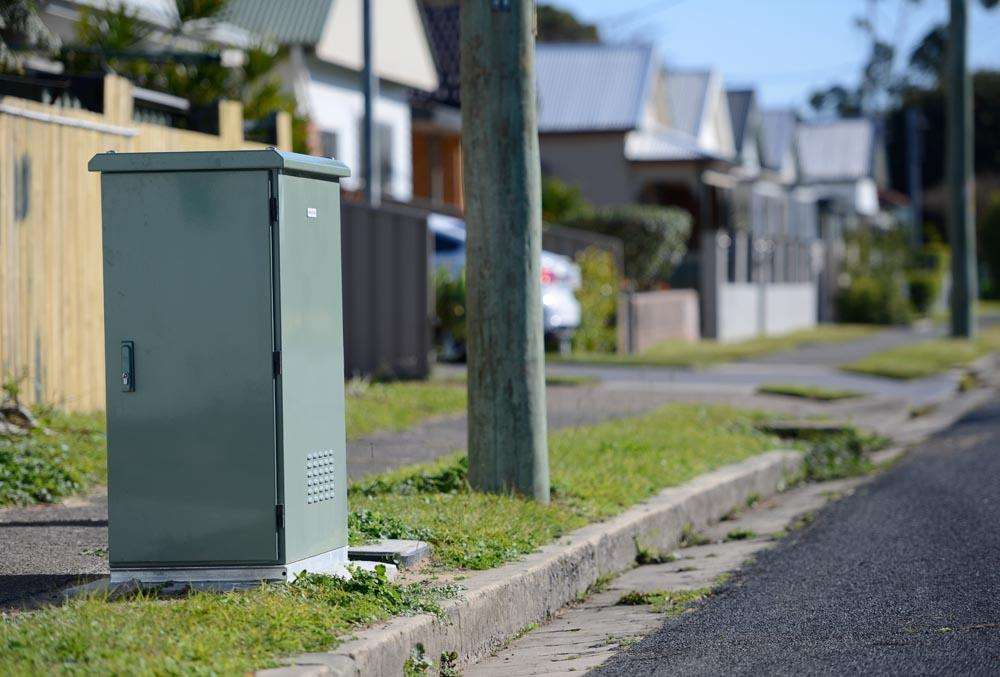
A Como resident in Sydney has raised concerns after being told they may need to pay for the removal of an old Telstra telecommunications box sitting on a council-owned verge.
The resident said the unused-looking infrastructure had become an eyesore and questioned why they should be responsible for removal costs when the equipment was installed for telecommunications services and sits on public land.
The issue highlights ongoing confusion around ownership and responsibility for ageing telecommunications infrastructure across Australian suburbs. Many older Telstra boxes and pits remain in place after traditional copper phone services have been replaced by newer technologies.
Telecommunications equipment is generally maintained by the company or network provider responsible for the infrastructure. Residents are usually advised not to remove or interfere with telecommunications assets themselves because they may still be connected or form part of a wider network.
The resident said the situation "doesn't make sense", arguing that council-owned land should not result in private homeowners being asked to cover removal expenses.
Telstra and telecommunications providers manage large amounts of legacy infrastructure across Australia, including roadside cabinets, pits and connection boxes. Some equipment may remain active even if it appears outdated.
The matter has renewed debate about who should be responsible for removing unused infrastructure, particularly when old equipment affects streetscapes, renovations or property improvements.
Residents wanting to remove or relocate telecommunications equipment are generally encouraged to contact the relevant provider first rather than attempting removal themselves. Unauthorised interference with telecommunications infrastructure can create safety and legal issues.
A Como resident in Sydney has raised concerns after being told they may need to pay for the removal of an old Telstra telecommunications box sitting on a council-owned verge.
The resident said the unused-looking infrastructure had become an eyesore and questioned why they should be responsible for removal costs when the equipment was installed for telecommunications services and sits on public land.
The issue highlights ongoing confusion around ownership and responsibility for ageing telecommunications infrastructure across Australian suburbs. Many older Telstra boxes and pits remain in place after traditional copper phone services have been replaced by newer technologies.
Telecommunications equipment is generally maintained by the company or network provider responsible for the infrastructure. Residents are usually advised not to remove or interfere with telecommunications assets themselves because they may still be connected or form part of a wider network.
The resident said the situation "doesn't make sense", arguing that council-owned land should not result in private homeowners being asked to cover removal expenses.
Telstra and telecommunications providers manage large amounts of legacy infrastructure across Australia, including roadside cabinets, pits and connection boxes. Some equipment may remain active even if it appears outdated.
The matter has renewed debate about who should be responsible for removing unused infrastructure, particularly when old equipment affects streetscapes, renovations or property improvements.
Residents wanting to remove or relocate telecommunications equipment are generally encouraged to contact the relevant provider first rather than attempting removal themselves. Unauthorised interference with telecommunications infrastructure can create safety and legal issues.
Tesla is preparing to bring its driverless Cybercab to Australia for a preview, giving Australians an early look at the company’s autonomous vehicle tec...
A 15-year-old Pacific Lutheran College student has developed a privacy-first women’s health app and presented her work at a major national cyber event.
Greater Geelong Council wants data-centre operators to contribute to local infrastructure as community concerns grow over energy, water use and developm...
A 36-year-old man has been charged after investigators allegedly found fraudulent identification documents, cloned number plates, cash and drug-manufact...
A Sydney court has heard that a man sent 249 messages to a former partner within 24 hours, with the messages treated as a single alleged breach of an ap...
A high-profile athlete has returned to court and told the hearing that an alleged unwanted kiss by former broadcaster Alan Jones remained difficult to f...
Work on the $150 million Sydney Town Hall Square project has been paused after the NSW Planning Minister referred the development for review by the Inde...
Cairns Regional Council has unanimously voted to seek $400,000 in Queensland Government funding for a program designed to connect local businesses with the region’s growing film...
An automated external defibrillator and memorial plaque have been installed at Ellery Creek Big Hole following the death of disability advocate Ellen Fr...
Queensland firefighters spent several hours monitoring a significant grass fire at Mary Kinross Park in Bargara, near Bundaberg, after the blaze broke out on Wednesday evening....