Councillor Backs Industrial Development Over Housing on Former Chicken Farm Site
By Neha Maurya · Published 13 Jun 2026 · Updated 13 Jun 2026
Brisbane, Queensland · Queensland News
Safety note: Admin approval is an initial review, not a guarantee that every detail is correct. Check important or urgent claims with official sources and report anything inaccurate or unsafe.
Source and credit: Contributor's own report
Councillor Backs Industrial Development Over Housing on Former Chicken Farm Site - Brisbane, Queensland
Smart summary
A Redland City councillor has argued that a proposed industrial precinct would deliver greater long-term economic benefits than residential development on a former Mount Cotton chicken farm.
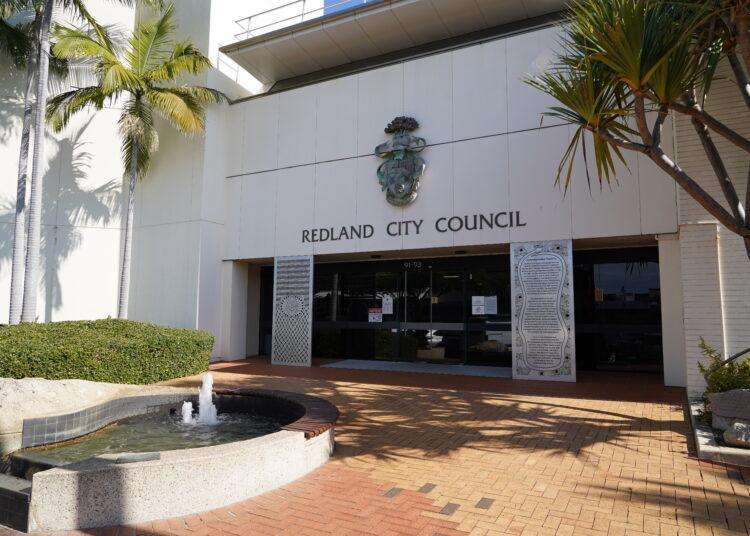
Debate is intensifying in Redland City over the future of a large former chicken farm site at Mount Cotton, with one councillor arguing that the land should be used for industrial purposes rather than housing development.
The proposal has emerged amid ongoing discussions about how south-east Queensland should balance the competing demands of housing supply, employment opportunities and economic growth as the region's population continues to expand.
Supporters of the industrial plan believe the site presents an important opportunity to diversify the local economy and create jobs closer to where people live. They argue that Redland City has traditionally relied heavily on residential rates revenue and that increasing the amount of industrial land available could strengthen the area's long-term financial sustainability.
The councillor advocating for the industrial option has reportedly suggested that while housing remains an important issue across Queensland, not every available parcel of land should automatically be earmarked for residential development. Instead, strategic planning should consider the broader economic needs of local communities.
Those in favour of the proposal point to the potential benefits associated with new business activity, including employment generation, investment attraction and improved access to services that support the broader region's economy.
However, the issue has also sparked concern among some residents and housing advocates, who argue that Queensland is experiencing a significant housing shortage and that opportunities to increase the supply of homes should not be overlooked.
South-east Queensland has experienced sustained population growth in recent years, placing additional pressure on the housing market. Rising property prices and limited availability have contributed to broader conversations about where and how new residential communities should be developed.
The Mount Cotton site has therefore become a focal point in a wider debate about land-use priorities.
Urban planners frequently emphasise the importance of achieving a balance between residential areas and employment precincts. Communities that offer both housing and nearby job opportunities can reduce commuting times and support stronger local economies. At the same time, decisions regarding industrial development often require careful consideration of environmental impacts, traffic management and compatibility with surrounding neighbourhoods.
Any future development of the former chicken farm site would remain subject to planning processes, community consultation and the assessment requirements established by local and state authorities.
For nearby residents, the outcome of the discussions could shape the character of the area for decades to come.
Whether the land ultimately becomes an industrial precinct or is considered for alternative uses, the decision is expected to influence broader conversations about growth management throughout the Redlands region.
The proposal also highlights the challenges faced by policymakers attempting to address multiple community needs simultaneously. Providing affordable housing, encouraging economic investment and preserving local amenity are often interconnected goals that can be difficult to reconcile.
As deliberations continue, community members are likely to have further opportunities to express their views before any final decisions are reached.
The future of the Mount Cotton site remains uncertain, but the debate surrounding it underscores the complex planning choices confronting rapidly growing regions across Queensland.
HousingIndustrialShouldSiteDevelopment
Debate is intensifying in Redland City over the future of a large former chicken farm site at Mount Cotton, with one councillor arguing that the land should be used for industrial purposes rather than housing development.
The proposal has emerged amid ongoing discussions about how south-east Queensland should balance the competing demands of housing supply, employment opportunities and economic growth as the region's population continues to expand.
Supporters of the industrial plan believe the site presents an important opportunity to diversify the local economy and create jobs closer to where people live. They argue that Redland City has traditionally relied heavily on residential rates revenue and that increasing the amount of industrial land available could strengthen the area's long-term financial sustainability.
The councillor advocating for the industrial option has reportedly suggested that while housing remains an important issue across Queensland, not every available parcel of land should automatically be earmarked for residential development. Instead, strategic planning should consider the broader economic needs of local communities.
Those in favour of the proposal point to the potential benefits associated with new business activity, including employment generation, investment attraction and improved access to services that support the broader region's economy.
However, the issue has also sparked concern among some residents and housing advocates, who argue that Queensland is experiencing a significant housing shortage and that opportunities to increase the supply of homes should not be overlooked.
South-east Queensland has experienced sustained population growth in recent years, placing additional pressure on the housing market. Rising property prices and limited availability have contributed to broader conversations about where and how new residential communities should be developed.
The Mount Cotton site has therefore become a focal point in a wider debate about land-use priorities.
Urban planners frequently emphasise the importance of achieving a balance between residential areas and employment precincts. Communities that offer both housing and nearby job opportunities can reduce commuting times and support stronger local economies. At the same time, decisions regarding industrial development often require careful consideration of environmental impacts, traffic management and compatibility with surrounding neighbourhoods.
Any future development of the former chicken farm site would remain subject to planning processes, community consultation and the assessment requirements established by local and state authorities.
For nearby residents, the outcome of the discussions could shape the character of the area for decades to come.
Whether the land ultimately becomes an industrial precinct or is considered for alternative uses, the decision is expected to influence broader conversations about growth management throughout the Redlands region.
The proposal also highlights the challenges faced by policymakers attempting to address multiple community needs simultaneously. Providing affordable housing, encouraging economic investment and preserving local amenity are often interconnected goals that can be difficult to reconcile.
As deliberations continue, community members are likely to have further opportunities to express their views before any final decisions are reached.
The future of the Mount Cotton site remains uncertain, but the debate surrounding it underscores the complex planning choices confronting rapidly growing regions across Queensland.
Wagga Wagga New South Wales · Breaking News · 16 Sep 2026
Riverina Police have established a dedicated investigation, Strike Force Arctis, following a reported increase in serious property and violent offences across Wagga Wagga. The o...
A serious late-night collision on the Hume Highway in Sydney’s south-west has left several people injured, including children, with one man in critical...
A Canberra woman has become the first person in the ACT whose death has been linked to a highly potent synthetic opioid, prompting renewed concern about...
Queensland's emerging football prospects are coming together for a three-day Brisbane Lions State Academy showcase, giving young players an opportunity...
A Wavell Heights enrolled nurse has been charged with four counts of alleged sexual assault and one count of wilful exposure, with his professional regi...
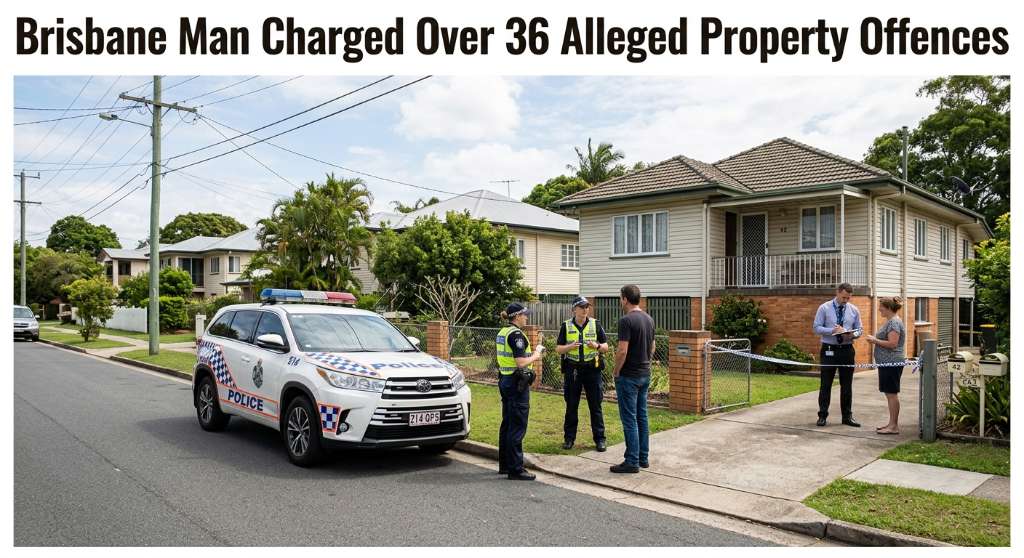
A 24-year-old Carina Heights man has been charged with 36 offences following an investigation into alleged break-ins, vehicle offences and other propert...
Cairns Regional Council has unanimously voted to seek $400,000 in Queensland Government funding for a program designed to connect local businesses with the region’s growing film...
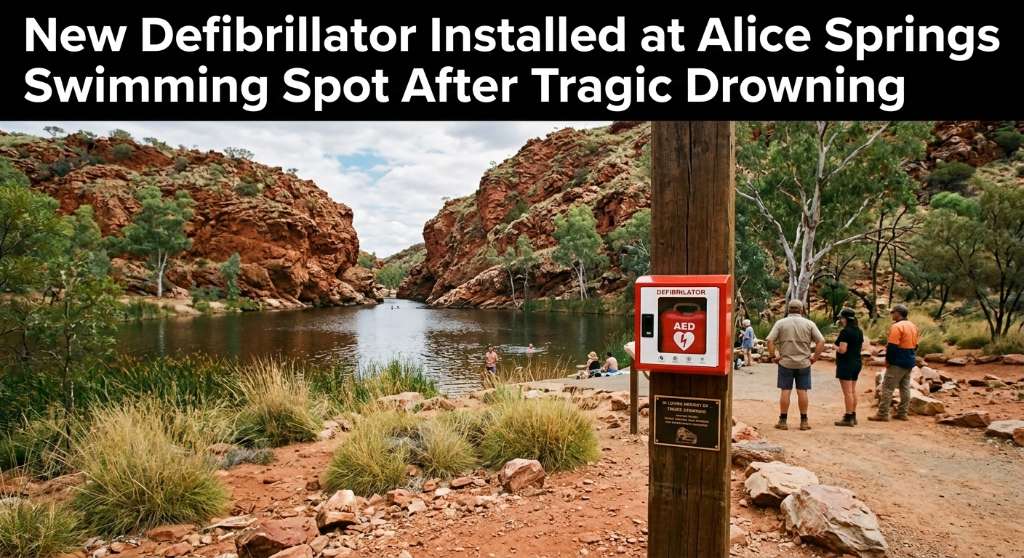
An automated external defibrillator and memorial plaque have been installed at Ellery Creek Big Hole following the death of disability advocate Ellen Fr...
Queensland firefighters spent several hours monitoring a significant grass fire at Mary Kinross Park in Bargara, near Bundaberg, after the blaze broke out on Wednesday evening....