Safety note: Admin approval is an initial review, not a guarantee that every detail is correct. Check important or urgent claims with official sources and report anything inaccurate or unsafe.
Source and credit: Contributor's own report
Cyclist Bitten After Eastern Brown Snake Becomes Trapped in Bicycle Chain on NSW Rail Trail - Byron Bay, NSW
Smart summary
A woman riding on the Northern Rivers Rail Trail in northern New South Wales was bitten after a two-metre eastern brown snake became entangled in her bicycle chain, in what rescuers described as an extremely unusual i...
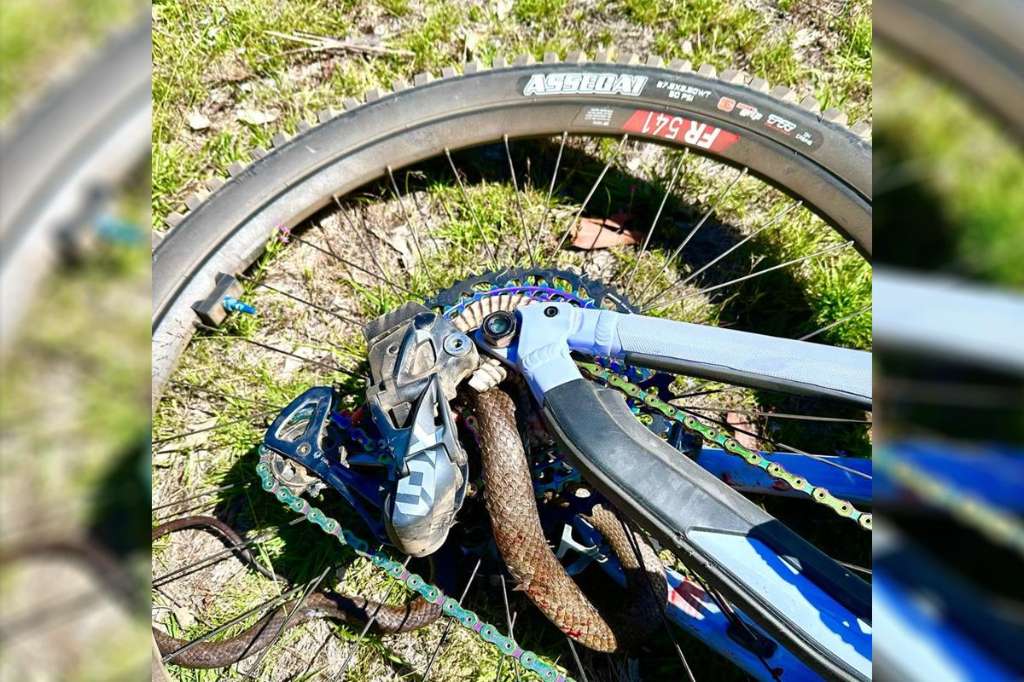
A woman in her 60s is recovering after being bitten by one of Australia's most venomous snakes during a rare and unexpected cycling incident on the Northern Rivers Rail Trail near Burringbar in northern New South Wales. The unusual encounter occurred when the cyclist accidentally rode over a two-metre eastern brown snake, causing it to become trapped in the chain and gears of her bicycle before it bit her on the thigh.
Emergency services were called to the rail trail near Upper Burringbar Road at about 1:00pm after reports of a snake bite. NSW Ambulance paramedics treated the woman at the scene before transporting her to Tweed Valley Hospital in a stable condition. Despite the eastern brown snake being regarded as one of the world's most venomous reptiles, medical staff confirmed the bite did not inject venom, allowing the woman to recover without suffering life-threatening effects. She was discharged from hospital the following day.
Local snake catcher Sarah Mailey from I'll Catch It Snake Relocations was called to assist after the reptile became tightly entangled in the bicycle's chain mechanism. She described the rescue as one of the most dangerous she had attended because the snake's middle section was trapped while its head remained completely free, allowing it to strike at anyone attempting to free it.
With assistance from police and members of the public, Mailey carefully restrained the snake's head while others worked to remove its body from the bike. Unfortunately, the snake had suffered severe injuries after becoming caught in the moving chain and had to be euthanised on welfare grounds once it was safely removed.
According to the snake catcher, the eastern brown snake may already have had an eye injury before the incident, possibly preventing it from detecting the approaching bicycle. She explained that while snake activity is generally lower during winter, warmer days can encourage reptiles to emerge briefly from shelter to regulate their body temperature. Rail trails, which often pass through bushland and farmland, remain natural habitats for many native snake species.
Mailey encouraged cyclists, walkers and other trail users to remain alert when travelling through natural areas and recommended carrying a compression bandage whenever visiting bushland. She also reminded people that eastern brown snakes are generally defensive rather than aggressive and usually bite only when they feel threatened or are unable to escape.
The incident occurred just one day before World Snake Day, serving as a reminder that encounters with wildlife can happen unexpectedly, particularly in regional Australia. Health authorities continue to advise that anyone bitten by a snake should remain as still as possible, apply a pressure immobilisation bandage if available, and call emergency services immediately rather than attempting to capture or kill the animal.
SnakeBrownEasternBicycleChain
A woman in her 60s is recovering after being bitten by one of Australia's most venomous snakes during a rare and unexpected cycling incident on the Northern Rivers Rail Trail near Burringbar in northern New South Wales. The unusual encounter occurred when the cyclist accidentally rode over a two-metre eastern brown snake, causing it to become trapped in the chain and gears of her bicycle before it bit her on the thigh.
Emergency services were called to the rail trail near Upper Burringbar Road at about 1:00pm after reports of a snake bite. NSW Ambulance paramedics treated the woman at the scene before transporting her to Tweed Valley Hospital in a stable condition. Despite the eastern brown snake being regarded as one of the world's most venomous reptiles, medical staff confirmed the bite did not inject venom, allowing the woman to recover without suffering life-threatening effects. She was discharged from hospital the following day.
Local snake catcher Sarah Mailey from I'll Catch It Snake Relocations was called to assist after the reptile became tightly entangled in the bicycle's chain mechanism. She described the rescue as one of the most dangerous she had attended because the snake's middle section was trapped while its head remained completely free, allowing it to strike at anyone attempting to free it.
With assistance from police and members of the public, Mailey carefully restrained the snake's head while others worked to remove its body from the bike. Unfortunately, the snake had suffered severe injuries after becoming caught in the moving chain and had to be euthanised on welfare grounds once it was safely removed.
According to the snake catcher, the eastern brown snake may already have had an eye injury before the incident, possibly preventing it from detecting the approaching bicycle. She explained that while snake activity is generally lower during winter, warmer days can encourage reptiles to emerge briefly from shelter to regulate their body temperature. Rail trails, which often pass through bushland and farmland, remain natural habitats for many native snake species.
Mailey encouraged cyclists, walkers and other trail users to remain alert when travelling through natural areas and recommended carrying a compression bandage whenever visiting bushland. She also reminded people that eastern brown snakes are generally defensive rather than aggressive and usually bite only when they feel threatened or are unable to escape.
The incident occurred just one day before World Snake Day, serving as a reminder that encounters with wildlife can happen unexpectedly, particularly in regional Australia. Health authorities continue to advise that anyone bitten by a snake should remain as still as possible, apply a pressure immobilisation bandage if available, and call emergency services immediately rather than attempting to capture or kill the animal.
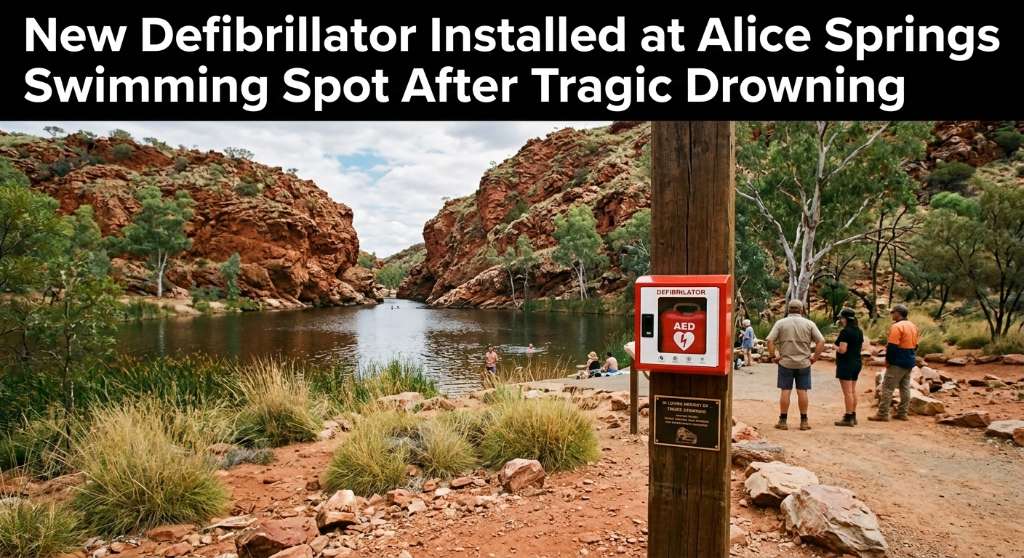
An automated external defibrillator and memorial plaque have been installed at Ellery Creek Big Hole following the death of disability advocate Ellen Fr...
Bathurst New South Wales · Community News · 17 Sep 2026
Kerry “Pecky” Peck, a long-standing Bathurst radio personality, has been inducted into the Bathurst Business Hall of Fame in recognition of his extensive contribution to the loc...
A new specialist family-violence support model has been introduced in Ballarat, with dedicated workers now embedded alongside Victoria Police to help people experiencing family...
Orange New South Wales · Community News · 17 Sep 2026
Orange City Council has elected a new Deputy Mayor for the next two years, with the decision announced today, 17 September 2026. The council said the election took place during...
Global diesel shortages and disrupted shipping routes are pushing up fuel costs and creating growing risks for Australia’s farmers, miners and wider eco...
A push is underway to expand NSW Police drone technology to Gunnedah, with the equipment proposed for crime response, offender searches and emergencies.
Cairns Regional Council has unanimously voted to seek $400,000 in Queensland Government funding for a program designed to connect local businesses with the region’s growing film...
An automated external defibrillator and memorial plaque have been installed at Ellery Creek Big Hole following the death of disability advocate Ellen Fr...
Queensland firefighters spent several hours monitoring a significant grass fire at Mary Kinross Park in Bargara, near Bundaberg, after the blaze broke out on Wednesday evening....