Safety note: Admin approval is an initial review, not a guarantee that every detail is correct. Check important or urgent claims with official sources and report anything inaccurate or unsafe.
Source and credit: Contributor's own report
David Shoebridge Elected New Leader of Australian Greens - Sydney, NSW
Smart summary
New South Wales senator David Shoebridge has been elected leader of the Australian Greens following an internal party-room ballot, succeeding Larissa Waters. The leadership change comes as the party considers its poli...
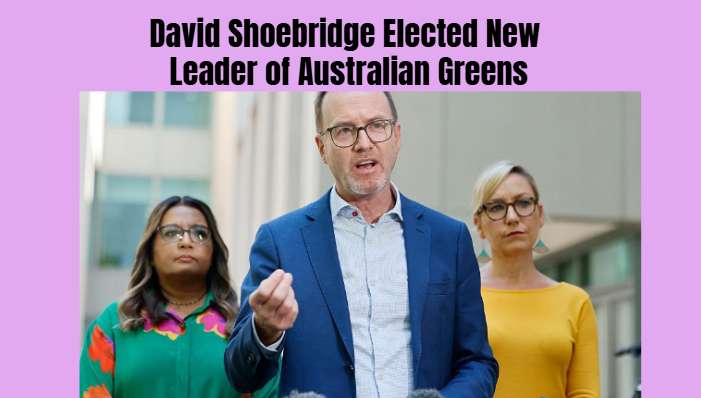
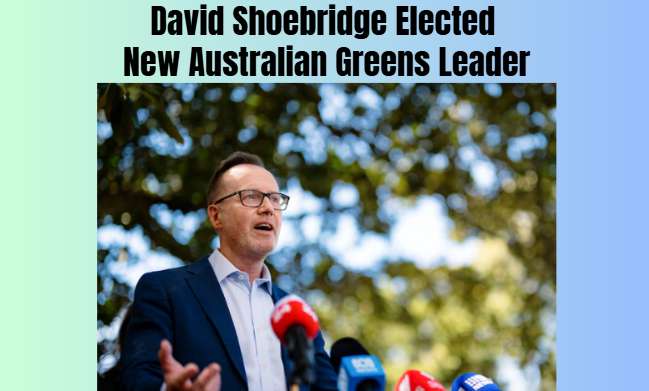
Senator David Shoebridge has been elected the new leader of the Australian Greens, following a contested leadership ballot held by the party’s federal parliamentary team in Sydney on 30 September 2026.
Shoebridge secured seven votes, defeating former deputy leader Mehreen Faruqi, who received four votes after preferences. The ballot was unusual for the Greens, who have historically selected leaders through consensus rather than a formal contest.
Senator Steph Hodgins-May was elected deputy leader, securing six votes against Vanessa Bleyer’s five. The leadership changes followed Larissa Waters’ decision to step down from the role after 16 months as party leader.
Shoebridge, who has represented New South Wales in the Senate since 2022, is a former barrister and former member of the New South Wales Parliament. His election marks a new phase for the party’s federal leadership.
In his first remarks as leader, Shoebridge outlined a political agenda focused on cost-of-living pressures, climate change, corporate influence and Australia’s defence policy. He identified the gas industry, the AUKUS security partnership, artificial intelligence and fossil fuel interests as issues the party intends to scrutinise.
Shoebridge said he wanted the Greens to expand their political role and challenge the policies of the major parties. These statements set out his stated priorities as leader and do not represent a change in government policy.
The leadership ballot also prompted discussion within the party about how future leaders should be chosen. Faruqi publicly expressed disappointment with the result and called for future leadership elections to involve the broader party membership. She argued that a member-wide vote would better reflect the Greens’ grassroots structure.
Former Greens MP Max Chandler-Mather also called for a wider membership role in leadership decisions. The party’s parliamentary leadership selection process has therefore become a subject of internal debate following the ballot.
Hodgins-May, the newly elected deputy leader and a Victorian senator, has a background in environmental law and advocacy. She has emphasised climate action and economic concerns as central issues for the party.
Waters, who remains a Queensland senator, said stepping down from the leadership was difficult but expressed appreciation for her colleagues’ support. Shoebridge and Hodgins-May publicly acknowledged her contribution during her time leading the party.
The Greens’ new leadership team will now oversee the party’s work in federal parliament, including its approach to legislation, committee inquiries and negotiations with other parliamentary groups. The party has also signalled an intention to increase its engagement with members and supporters.
The leadership transition comes amid broader debate in Australian politics about the cost of living, climate policy, migration and the direction of the major parties. Shoebridge’s public statements indicate that these subjects will feature prominently in the Greens’ parliamentary agenda.
The party has not announced a timeline for introducing a membership-wide leadership election.
PartyLeadershipGreensLeaderShoebridge
Senator David Shoebridge has been elected the new leader of the Australian Greens, following a contested leadership ballot held by the party’s federal parliamentary team in Sydney on 30 September 2026.
Shoebridge secured seven votes, defeating former deputy leader Mehreen Faruqi, who received four votes after preferences. The ballot was unusual for the Greens, who have historically selected leaders through consensus rather than a formal contest.
Senator Steph Hodgins-May was elected deputy leader, securing six votes against Vanessa Bleyer’s five. The leadership changes followed Larissa Waters’ decision to step down from the role after 16 months as party leader.
Shoebridge, who has represented New South Wales in the Senate since 2022, is a former barrister and former member of the New South Wales Parliament. His election marks a new phase for the party’s federal leadership.
In his first remarks as leader, Shoebridge outlined a political agenda focused on cost-of-living pressures, climate change, corporate influence and Australia’s defence policy. He identified the gas industry, the AUKUS security partnership, artificial intelligence and fossil fuel interests as issues the party intends to scrutinise.
Shoebridge said he wanted the Greens to expand their political role and challenge the policies of the major parties. These statements set out his stated priorities as leader and do not represent a change in government policy.
The leadership ballot also prompted discussion within the party about how future leaders should be chosen. Faruqi publicly expressed disappointment with the result and called for future leadership elections to involve the broader party membership. She argued that a member-wide vote would better reflect the Greens’ grassroots structure.
Former Greens MP Max Chandler-Mather also called for a wider membership role in leadership decisions. The party’s parliamentary leadership selection process has therefore become a subject of internal debate following the ballot.
Hodgins-May, the newly elected deputy leader and a Victorian senator, has a background in environmental law and advocacy. She has emphasised climate action and economic concerns as central issues for the party.
Waters, who remains a Queensland senator, said stepping down from the leadership was difficult but expressed appreciation for her colleagues’ support. Shoebridge and Hodgins-May publicly acknowledged her contribution during her time leading the party.
The Greens’ new leadership team will now oversee the party’s work in federal parliament, including its approach to legislation, committee inquiries and negotiations with other parliamentary groups. The party has also signalled an intention to increase its engagement with members and supporters.
The leadership transition comes amid broader debate in Australian politics about the cost of living, climate policy, migration and the direction of the major parties. Shoebridge’s public statements indicate that these subjects will feature prominently in the Greens’ parliamentary agenda.
The party has not announced a timeline for introducing a membership-wide leadership election.
Young people from regional and remote Queensland communities are participating in youth councils and a state youth parliament, raising issues such as di...
Wodonga councillors have extended the Two Cities One Community agreement with Albury until 2030, despite criticism from one councillor over the value of...
A Queensland government audit has identified gaps in record-keeping around social housing applications cancelled because applicants could not be contact...
NSW Senator David Shoebridge has been elected leader of the Australian Greens, with Victorian Senator Steph Hodgins-May chosen as deputy after a contest...
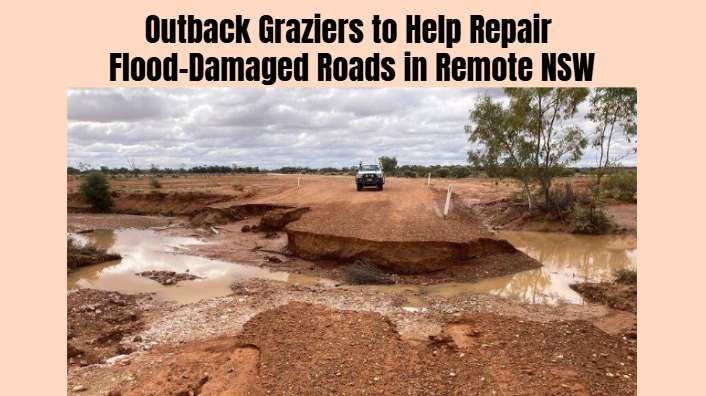
Transport for NSW plans to hire local graziers and station owners to help repair roads damaged by months of heavy rain in the state’s Far West. However,...
Emergency services are responding after a car struck a crowd of Newcastle Knights supporters gathered in Wallsend, Newcastle, ahead of the NRL grand fin...
The upcoming Coffs Harbour bypass is expected to remove around 35,000 vehicles a day from the city's main highway route, prompting local businesses, inc...
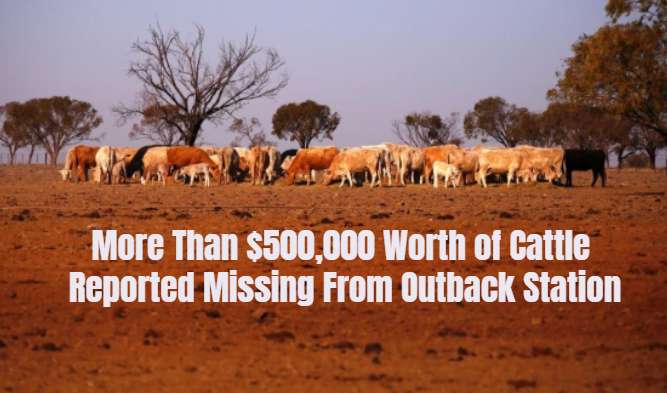
Police are investigating the disappearance of hundreds of thousands of dollars' worth of cattle from an outback property in far-western New South Wales.
A man has died after being hit by a car on the Midland Highway near Magpie, south of Ballarat. Police are investigating the circumstances of the collisi...
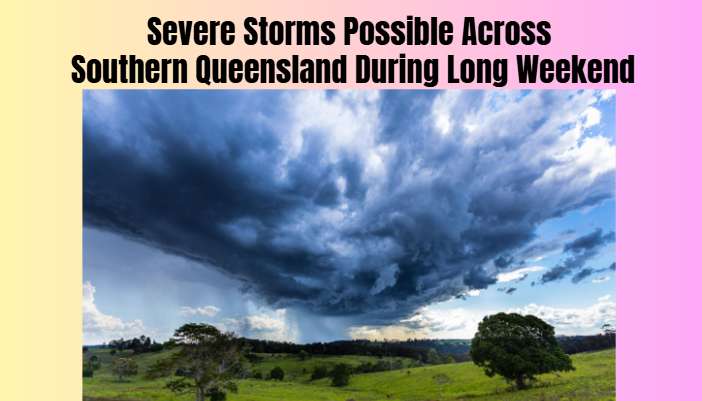
The Bureau of Meteorology is warning of possible thunderstorms across southern Queensland during the King’s Birthday long weekend, with unsettled weathe...
Changes to Australia’s working holiday visa program have raised concerns among tourism and hospitality businesses in Far North Queensland, where backpac...
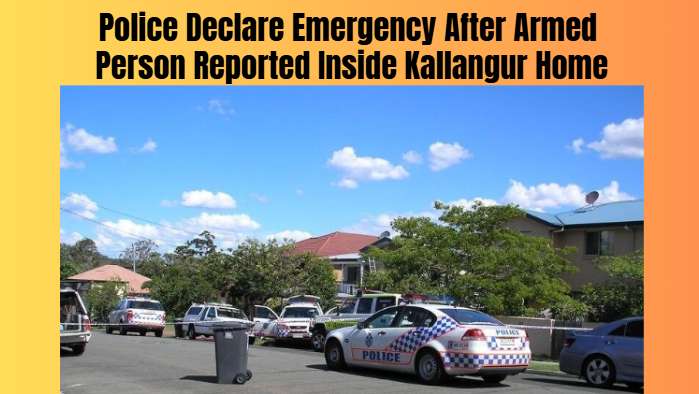
Queensland Police established an emergency exclusion zone in Kallangur, north of Brisbane, after receiving reports of an armed person inside a residence...