Safety note: Admin approval is an initial review, not a guarantee that every detail is correct. Check important or urgent claims with official sources and report anything inaccurate or unsafe.
Source and credit: Contributor's own report
Death of wellness influencer Stacey Warnecke raises global concerns over 'freebirth' movement - Melbourne, Victoria
Smart summary
The death of Melbourne wellness influencer Stacey Warnecke after a home "freebirth" has intensified scrutiny of the international Free Birth Society, with investigators examining whether misinformation and unregulated...
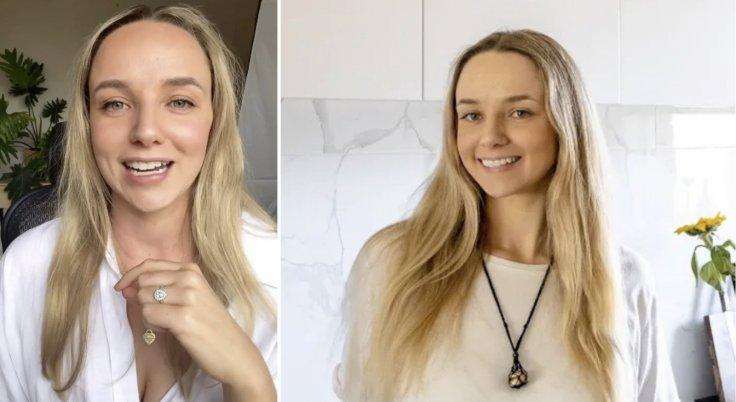
The death of Melbourne wellness influencer Stacey Warnecke has become a focal point in the debate over the growing "freebirth" movement, with an ongoing coronial inquest examining whether misinformation promoted by unregulated birth groups contributed to her death following childbirth.
Warnecke, a 30-year-old nutritionist and wellness influencer, died in September 2025 after giving birth to her first child at her Melbourne home without medically trained professionals present. The inquest heard she suffered a severe postpartum haemorrhage, a medical emergency that experts say is highly treatable when prompt hospital care is provided. Despite experiencing significant blood loss and breathing difficulties, medical assistance was delayed after she initially declined an ambulance.
At the centre of the investigation is the international Free Birth Society (FBS), a United States-based organisation that promotes childbirth without doctors, midwives or hospitals. Warnecke had hired Melbourne "birth keeper" Emily Lal, an unlicensed birth attendant who had completed training through the society's Radical Birth Keeper School. Court evidence showed Lal received A$6,000 to support the birth despite having no formal medical qualifications.
According to evidence presented during the inquest, Lal asked Warnecke several times whether she wanted an ambulance after complications developed. Warnecke initially refused medical intervention, consistent with the movement's emphasis on personal autonomy and minimal involvement from conventional healthcare providers. An ambulance was only called after her condition deteriorated significantly. She was later transported to hospital, where doctors carried out extensive emergency treatment, including multiple surgeries and blood transfusions, but she could not be saved.
The Guardian's investigation found that leaders of the Free Birth Society had previously claimed they were unaware of any maternal deaths linked to the movement. However, Warnecke's death is now being examined as a possible first documented maternal fatality associated with the group's philosophy. The report also identified numerous international cases involving serious injuries or deaths allegedly linked to advice promoted through the organisation.
Medical experts who testified at the inquest said postpartum haemorrhage is a well-understood obstetric emergency that is usually survivable when recognised and treated quickly. Specialists stressed that immediate medical intervention—including medication, blood transfusions and surgery when required—can dramatically improve survival rates. They described Warnecke's condition as potentially preventable with earlier access to emergency care.
Health authorities are also investigating the conduct of Emily Lal and examining broader concerns surrounding unregulated birth attendants operating outside Australia's healthcare system. The case has prompted renewed calls from medical organisations for stronger regulation of people providing birth support services without recognised qualifications.
The coronial inquest remains ongoing and has not yet reached final conclusions regarding responsibility or recommendations. However, the case has sparked international discussion about the influence of online wellness communities, misinformation surrounding childbirth, and the importance of evidence-based maternity care. Medical professionals continue to encourage expectant parents to seek care from qualified healthcare providers and to treat complications during pregnancy and childbirth as medical emergencies requiring immediate professional attention.
BirthMedicalWarneckeInquestCare
The death of Melbourne wellness influencer Stacey Warnecke has become a focal point in the debate over the growing "freebirth" movement, with an ongoing coronial inquest examining whether misinformation promoted by unregulated birth groups contributed to her death following childbirth.
Warnecke, a 30-year-old nutritionist and wellness influencer, died in September 2025 after giving birth to her first child at her Melbourne home without medically trained professionals present. The inquest heard she suffered a severe postpartum haemorrhage, a medical emergency that experts say is highly treatable when prompt hospital care is provided. Despite experiencing significant blood loss and breathing difficulties, medical assistance was delayed after she initially declined an ambulance.
At the centre of the investigation is the international Free Birth Society (FBS), a United States-based organisation that promotes childbirth without doctors, midwives or hospitals. Warnecke had hired Melbourne "birth keeper" Emily Lal, an unlicensed birth attendant who had completed training through the society's Radical Birth Keeper School. Court evidence showed Lal received A$6,000 to support the birth despite having no formal medical qualifications.
According to evidence presented during the inquest, Lal asked Warnecke several times whether she wanted an ambulance after complications developed. Warnecke initially refused medical intervention, consistent with the movement's emphasis on personal autonomy and minimal involvement from conventional healthcare providers. An ambulance was only called after her condition deteriorated significantly. She was later transported to hospital, where doctors carried out extensive emergency treatment, including multiple surgeries and blood transfusions, but she could not be saved.
The Guardian's investigation found that leaders of the Free Birth Society had previously claimed they were unaware of any maternal deaths linked to the movement. However, Warnecke's death is now being examined as a possible first documented maternal fatality associated with the group's philosophy. The report also identified numerous international cases involving serious injuries or deaths allegedly linked to advice promoted through the organisation.
Medical experts who testified at the inquest said postpartum haemorrhage is a well-understood obstetric emergency that is usually survivable when recognised and treated quickly. Specialists stressed that immediate medical intervention—including medication, blood transfusions and surgery when required—can dramatically improve survival rates. They described Warnecke's condition as potentially preventable with earlier access to emergency care.
Health authorities are also investigating the conduct of Emily Lal and examining broader concerns surrounding unregulated birth attendants operating outside Australia's healthcare system. The case has prompted renewed calls from medical organisations for stronger regulation of people providing birth support services without recognised qualifications.
The coronial inquest remains ongoing and has not yet reached final conclusions regarding responsibility or recommendations. However, the case has sparked international discussion about the influence of online wellness communities, misinformation surrounding childbirth, and the importance of evidence-based maternity care. Medical professionals continue to encourage expectant parents to seek care from qualified healthcare providers and to treat complications during pregnancy and childbirth as medical emergencies requiring immediate professional attention.
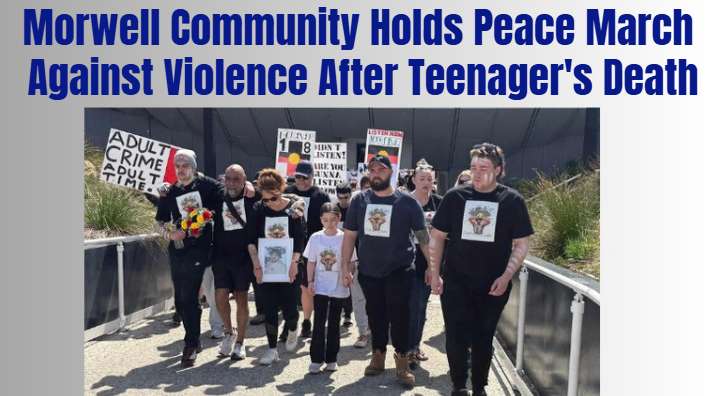
Around 300 people walked through Morwell to remember Kaiden Morgan-Johnston one year after his death and call for safer streets across the Latrobe Valley.
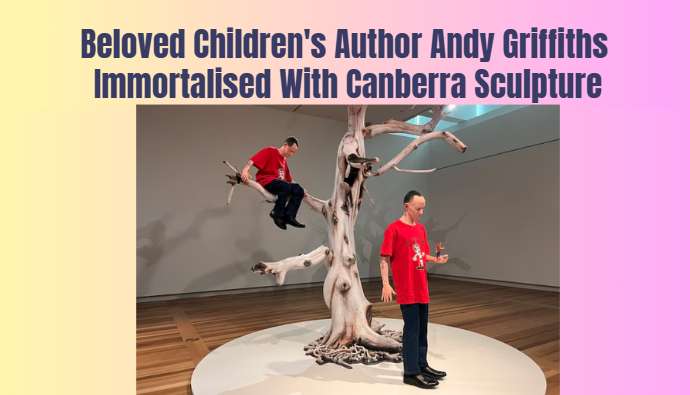
A four-metre-high 3D-printed sculpture celebrating Australian children's author Andy Griffiths has gone on display at Canberra's National Portrait Gallery.
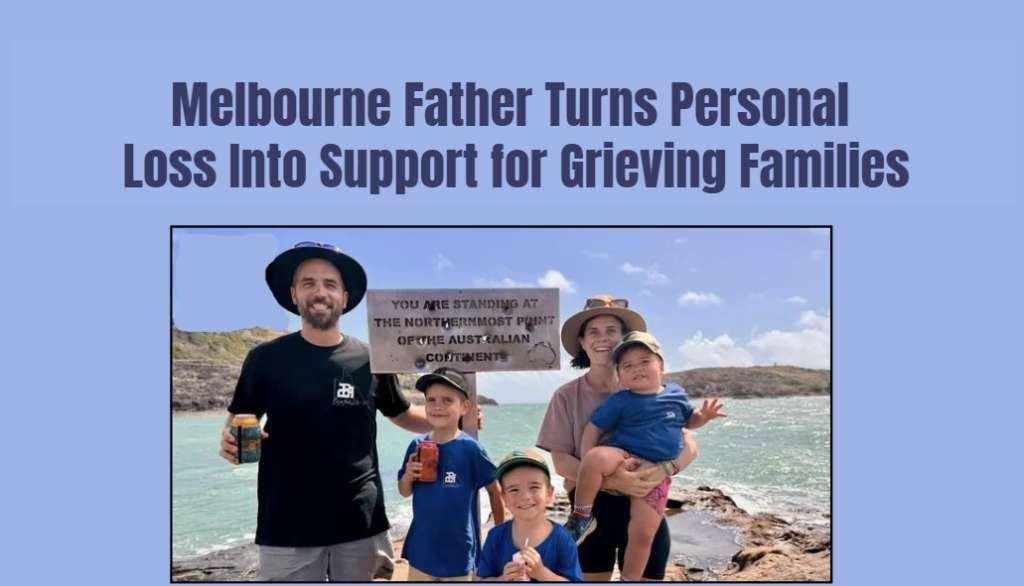
After losing two sons, Melbourne father Nick Olney has established a charity helping grieving parents preserve memories of their babies and access suppo...
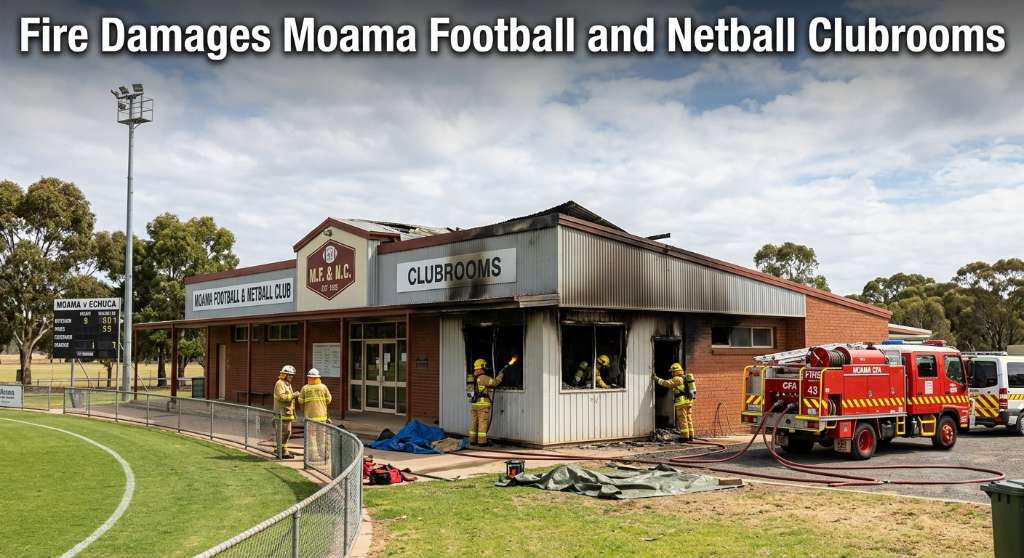
A fire damaged the Moama Football and Netball Club's social rooms during Saturday's grand final, forcing about 1,000 people to leave the building becaus...
Two teenagers have been arrested after a large factory fire in Melbourne's north was declared suspicious, with police investigating how the blaze started.
The Victorian Government has announced an $80 million study into duplicating Melbourne's Upfield railway line while delaying eight planned level-crossin...
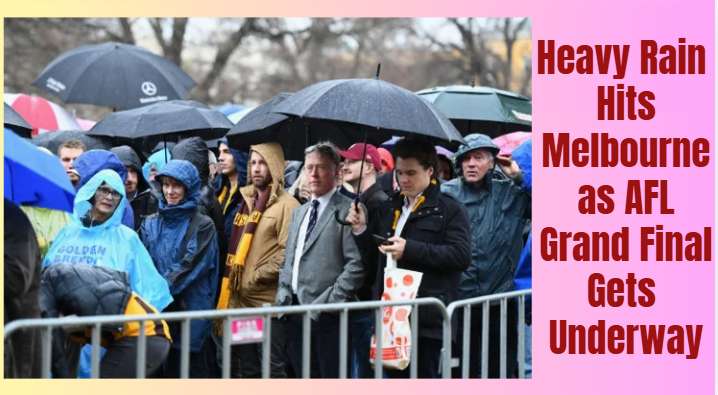
Wet conditions at the Melbourne Cricket Ground are creating difficult conditions for the AFL Grand Final, while poor weather has also disrupted flights...
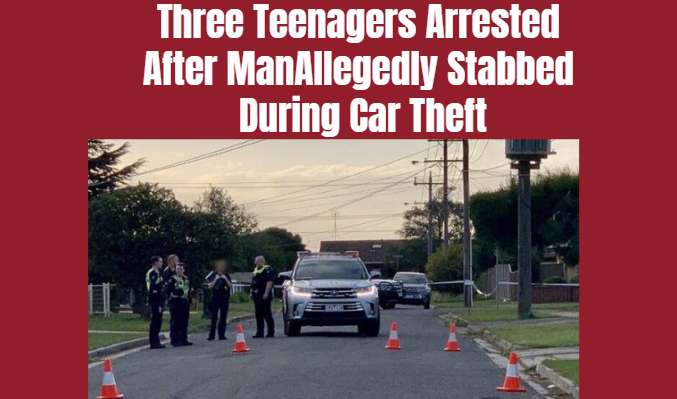
Police have arrested three teenagers after a man was allegedly stabbed while confronting a group of boys attempting to break into a car in Melbourne’s s...
Treasurer Jim Chalmers says the federal budget bottom line has improved by $6 billion compared with the May forecast, while the government faces pressur...
Northern Territory Police are investigating a series of alleged aggravated burglaries in Alice Springs after up to seven homes in the Araluen area were...