Safety note: Admin approval is an initial review, not a guarantee that every detail is correct. Check important or urgent claims with official sources and report anything inaccurate or unsafe.
Source and credit: Contributor's own report
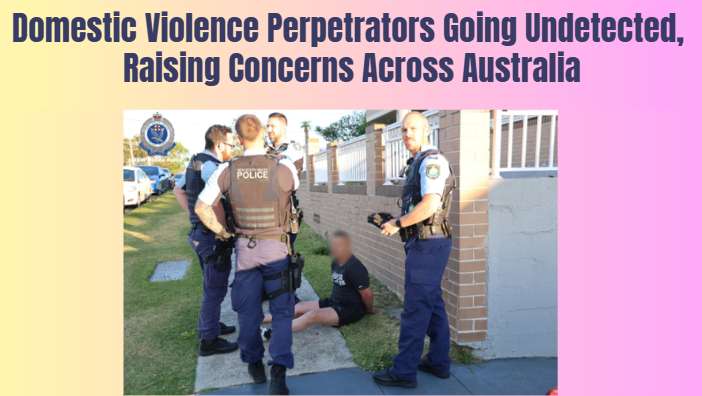
Domestic Violence Perpetrators Going Undetected, Raising Concerns Across Australia - Sydney, NSW
Smart summary
Recent domestic violence-related deaths in New South Wales have highlighted concerns about gaps in identifying alleged perpetrators before serious violence occurs.
Concerns about Australia's response to domestic and family violence have been raised following a series of suspected domestic violence-related deaths in New South Wales.
An analysis published on September 26 examined why some alleged perpetrators can remain outside the attention of police and support services until violence has already escalated. The issue has become a focus of discussion following several deaths across NSW in a short period.
One of the challenges identified is that authorities may not always have information about an alleged offender before a serious incident occurs. Domestic violence can happen privately, and victims may not report abusive behaviour to police or other agencies for a range of reasons.
This means that some people who later become involved in serious violence may not have a documented history that immediately identifies them as a risk.
The issue is particularly significant because domestic and family violence can involve patterns of controlling or threatening behaviour that may not initially result in police intervention. A lack of previous reports does not necessarily mean that violence or intimidation has not occurred.
Recent incidents have prompted renewed attention to how agencies identify people who may pose a risk and how information is shared between police, courts and specialist support services.
Domestic violence services have long emphasised that victims can face significant barriers to reporting abuse. Fear of retaliation, financial dependence, concerns for children and isolation from family or friends can all make it difficult for someone experiencing abuse to seek help.
Another challenge is that risk can change over time. A person who has not previously been considered a high-risk offender may become dangerous following relationship breakdown, escalating conflict or other circumstances.
The NSW cases have therefore contributed to wider questions about whether existing systems are able to identify changing levels of risk quickly enough.
Police and specialist services use a range of information when assessing domestic violence risks, including previous incidents, protection orders, threats and reports from victims or other people. However, when authorities have little or no prior information, opportunities for early intervention can be limited.
The issue also highlights the importance of cooperation between different organisations. Domestic violence responses can involve police, courts, hospitals, social workers, crisis accommodation providers and specialist family violence organisations.
Effective information sharing can help authorities build a clearer picture of risk, although such systems also need to operate within privacy and legal requirements.
For victims, access to support remains an important part of prevention. Specialist services can assist with safety planning, emergency accommodation, legal information and connections to other support.
The recent NSW deaths have brought renewed public attention to the consequences of domestic violence and to the difficulties authorities face when attempting to identify people who may become violent before an incident occurs.
The ABC report describes the issue as a gap in Australia's response rather than evidence that every case could have been predicted or prevented. Each domestic violence incident has its own circumstances, and investigations are required to establish what happened in individual cases.
Authorities continue to investigate the recent deaths while broader discussions about prevention, risk assessment and support services continue.
For people experiencing domestic or family violence, emergency assistance is available through 000, while specialist support services can provide confidential advice and safety planning.
ViolenceDomesticServicesInformationPolice
Concerns about Australia's response to domestic and family violence have been raised following a series of suspected domestic violence-related deaths in New South Wales.
An analysis published on September 26 examined why some alleged perpetrators can remain outside the attention of police and support services until violence has already escalated. The issue has become a focus of discussion following several deaths across NSW in a short period.
One of the challenges identified is that authorities may not always have information about an alleged offender before a serious incident occurs. Domestic violence can happen privately, and victims may not report abusive behaviour to police or other agencies for a range of reasons.
This means that some people who later become involved in serious violence may not have a documented history that immediately identifies them as a risk.
The issue is particularly significant because domestic and family violence can involve patterns of controlling or threatening behaviour that may not initially result in police intervention. A lack of previous reports does not necessarily mean that violence or intimidation has not occurred.
Recent incidents have prompted renewed attention to how agencies identify people who may pose a risk and how information is shared between police, courts and specialist support services.
Domestic violence services have long emphasised that victims can face significant barriers to reporting abuse. Fear of retaliation, financial dependence, concerns for children and isolation from family or friends can all make it difficult for someone experiencing abuse to seek help.
Another challenge is that risk can change over time. A person who has not previously been considered a high-risk offender may become dangerous following relationship breakdown, escalating conflict or other circumstances.
The NSW cases have therefore contributed to wider questions about whether existing systems are able to identify changing levels of risk quickly enough.
Police and specialist services use a range of information when assessing domestic violence risks, including previous incidents, protection orders, threats and reports from victims or other people. However, when authorities have little or no prior information, opportunities for early intervention can be limited.
The issue also highlights the importance of cooperation between different organisations. Domestic violence responses can involve police, courts, hospitals, social workers, crisis accommodation providers and specialist family violence organisations.
Effective information sharing can help authorities build a clearer picture of risk, although such systems also need to operate within privacy and legal requirements.
For victims, access to support remains an important part of prevention. Specialist services can assist with safety planning, emergency accommodation, legal information and connections to other support.
The recent NSW deaths have brought renewed public attention to the consequences of domestic violence and to the difficulties authorities face when attempting to identify people who may become violent before an incident occurs.
The ABC report describes the issue as a gap in Australia's response rather than evidence that every case could have been predicted or prevented. Each domestic violence incident has its own circumstances, and investigations are required to establish what happened in individual cases.
Authorities continue to investigate the recent deaths while broader discussions about prevention, risk assessment and support services continue.
For people experiencing domestic or family violence, emergency assistance is available through 000, while specialist support services can provide confidential advice and safety planning.
Police have arrested three teenagers after a man was allegedly stabbed while confronting a group of boys attempting to break into a car in Melbourne’s s...
Former Tasmanian GP Michael Anthony Welch has pleaded not guilty to three indecent assault charges relating to allegations made by a former patient abou...
Second Chances charity director Samuel Mark Narroway has appeared before an Adelaide-area court over contested charges involving alleged dishonest deali...
Police are investigating two early-morning incidents at a Port Lincoln business and service station after a man allegedly broke into a store and later t...
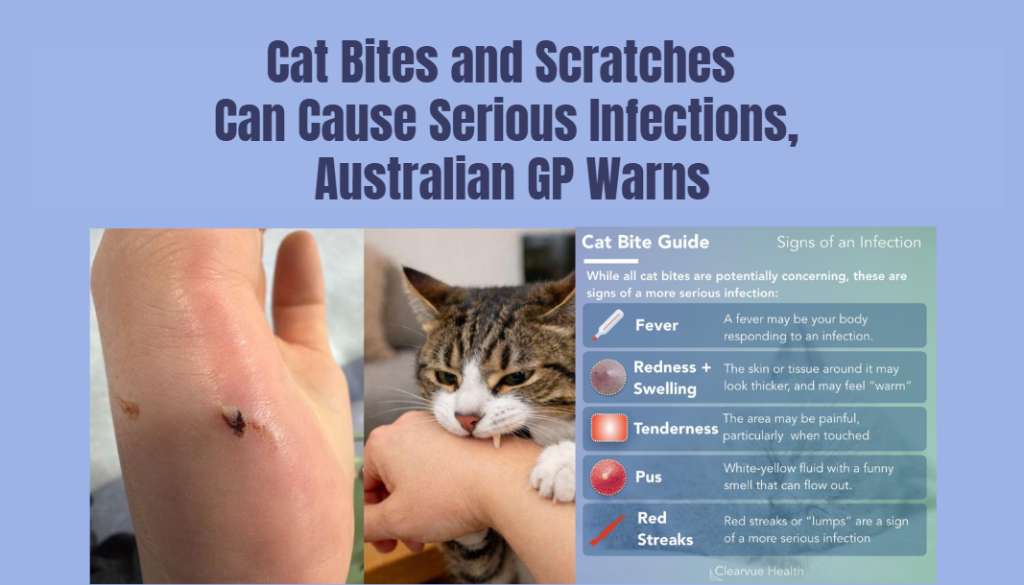
Australian health experts are warning that cat bites and scratches can cause severe infections, with hospitalisations from cat-related injuries nearly t...
A parliamentary petition calling for specialist endometriosis education in NSW public high schools has attracted more than 1,700 signatures, as health a...
A firearms expert has told a court that a gun presented as evidence in the murder investigation involving two Australian brothers and their American fri...
Australian shoppers and small businesses are preparing for changes to card-payment surcharges, with new Reserve Bank rules due to take effect from Octob...
Police have arrested three teenagers after a man was allegedly stabbed while confronting a group of boys attempting to break into a car in Melbourne’s s...
Adam Scott and Min Woo Lee played key roles as the International team produced a clean sweep against the United States in the second-day foursomes at th...
Australian tennis player Talia Gibson has reached her first WTA Tour-level singles final at the Singapore Open after Tatiana Prozorova withdrew from the...
Severe weather in Melbourne has caused flight disruptions from Brisbane, with at least one flight cancelled and other services delayed as passengers tra...