Economist Saul Eslake Questions Economic Case for Marinus Link Project
By Neha · Published 22 Jun 2026 · Updated 22 Jun 2026
Hobart, TAS · Tasmania News
Safety note: Admin approval is an initial review, not a guarantee that every detail is correct. Check important or urgent claims with official sources and report anything inaccurate or unsafe.
Source and credit: Contributor's own report
Economist Saul Eslake Questions Economic Case for Marinus Link Project - Hobart, TAS
Smart summary
A new report by economist Saul Eslake argues Tasmania's proposed Marinus Link energy interconnector may deliver limited economic benefits to the state, reigniting debate over one of Australia's largest energy infrastr...
Fresh scrutiny has been placed on the proposed Marinus Link after prominent economist Saul Eslake released a report questioning the project's economic value for Tasmania.
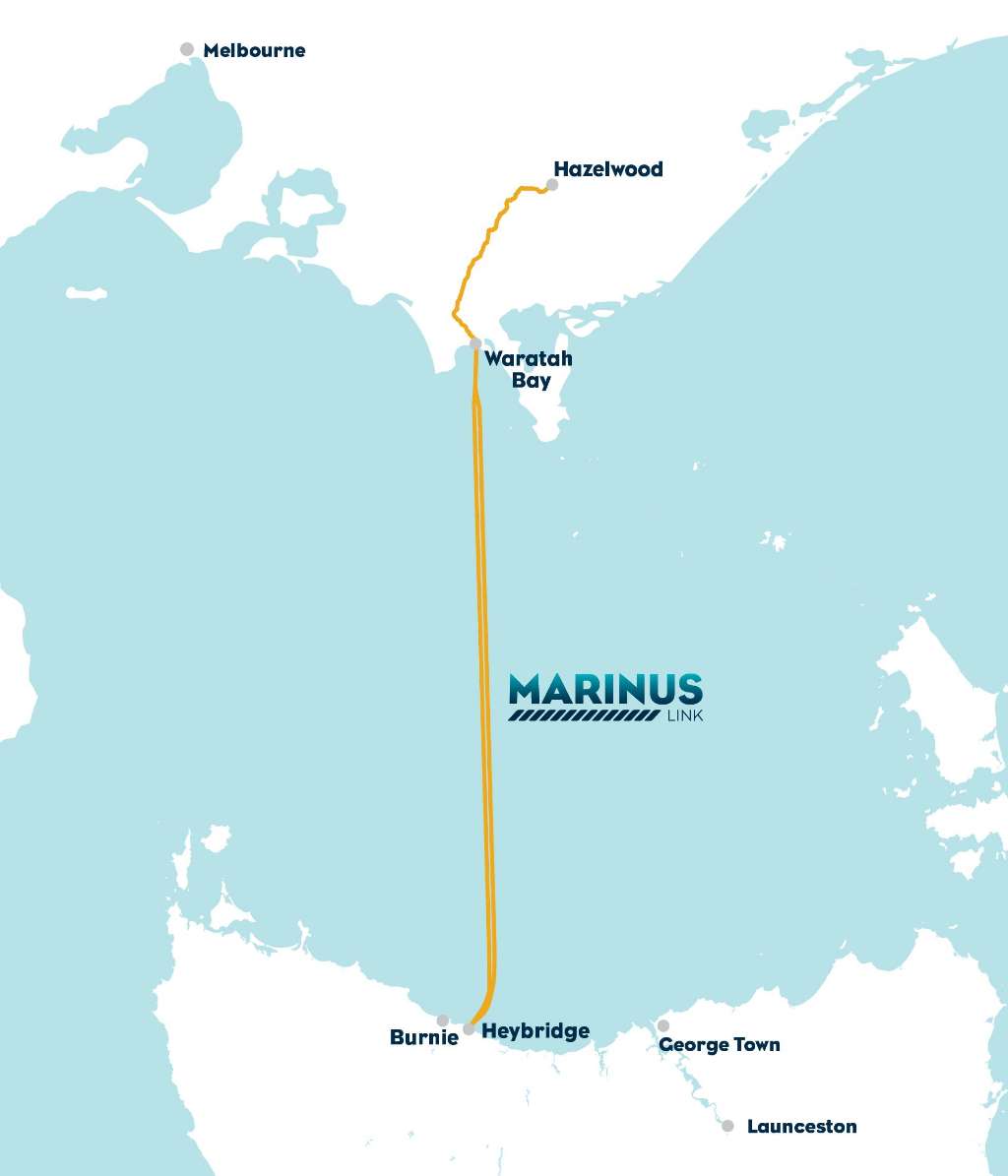
Marinus Link is a multi-billion-dollar proposal to construct high-voltage electricity transmission cables beneath Bass Strait, connecting Tasmania's renewable energy network to Victoria. Supporters argue the project would strengthen Australia's energy grid, improve reliability and help facilitate the transition to renewable energy sources.
However, Eslake's report suggests the economic benefits frequently cited by project advocates may be overstated. According to the analysis, the project could generate greater advantages for mainland electricity consumers and energy producers than for Tasmanian households and businesses.
The report examines claims that Marinus Link would stimulate economic growth, create jobs and lower energy costs. Eslake argues that while some benefits would occur, Tasmania may not receive returns proportional to the substantial public investment required to support the project.
Supporters of Marinus Link maintain that the interconnector is critical to the future of Australia's energy market. They argue Tasmania's extensive hydroelectric resources and growing renewable energy sector position the state as an important supplier of clean energy to the mainland.
The project forms a key part of broader plans to transform Tasmania into a renewable energy powerhouse through the state's "Battery of the Nation" strategy. Under that vision, hydroelectric storage and renewable generation capacity could help support electricity demand across the National Electricity Market.
Critics, however, have questioned whether projected demand and financial returns justify the project's cost. Concerns have also been raised regarding potential impacts on electricity prices, taxpayer exposure and the allocation of government funding.
The report has added momentum to calls for greater transparency around the project's economic modelling and cost-benefit analysis. Opponents argue decision-makers should carefully assess the financial risks before committing further public resources.
Project supporters dispute suggestions that Marinus Link lacks value, pointing to independent assessments that have found national benefits through improved energy security, reduced emissions and increased transmission capacity between states.
The debate comes as governments across Australia continue investing heavily in transmission infrastructure needed to support the renewable energy transition. Large-scale projects such as Marinus Link are increasingly viewed as essential components of future electricity networks, though their costs and benefits remain subjects of political and economic debate.
The Tasmanian and federal governments continue to support the project, while project proponents argue it will deliver long-term benefits extending beyond immediate financial returns. They say improved energy resilience, increased renewable generation opportunities and national grid integration justify the investment.
As planning and funding discussions continue, Eslake's report is likely to play a significant role in shaping public and political debate over whether Marinus Link represents a sound investment for Tasmania and Australia more broadly.
EnergyProjectLinkMarinusRenewable
Fresh scrutiny has been placed on the proposed Marinus Link after prominent economist Saul Eslake released a report questioning the project's economic value for Tasmania.
Marinus Link is a multi-billion-dollar proposal to construct high-voltage electricity transmission cables beneath Bass Strait, connecting Tasmania's renewable energy network to Victoria. Supporters argue the project would strengthen Australia's energy grid, improve reliability and help facilitate the transition to renewable energy sources.
However, Eslake's report suggests the economic benefits frequently cited by project advocates may be overstated. According to the analysis, the project could generate greater advantages for mainland electricity consumers and energy producers than for Tasmanian households and businesses.
The report examines claims that Marinus Link would stimulate economic growth, create jobs and lower energy costs. Eslake argues that while some benefits would occur, Tasmania may not receive returns proportional to the substantial public investment required to support the project.
Supporters of Marinus Link maintain that the interconnector is critical to the future of Australia's energy market. They argue Tasmania's extensive hydroelectric resources and growing renewable energy sector position the state as an important supplier of clean energy to the mainland.
The project forms a key part of broader plans to transform Tasmania into a renewable energy powerhouse through the state's "Battery of the Nation" strategy. Under that vision, hydroelectric storage and renewable generation capacity could help support electricity demand across the National Electricity Market.
Critics, however, have questioned whether projected demand and financial returns justify the project's cost. Concerns have also been raised regarding potential impacts on electricity prices, taxpayer exposure and the allocation of government funding.
The report has added momentum to calls for greater transparency around the project's economic modelling and cost-benefit analysis. Opponents argue decision-makers should carefully assess the financial risks before committing further public resources.
Project supporters dispute suggestions that Marinus Link lacks value, pointing to independent assessments that have found national benefits through improved energy security, reduced emissions and increased transmission capacity between states.
The debate comes as governments across Australia continue investing heavily in transmission infrastructure needed to support the renewable energy transition. Large-scale projects such as Marinus Link are increasingly viewed as essential components of future electricity networks, though their costs and benefits remain subjects of political and economic debate.
The Tasmanian and federal governments continue to support the project, while project proponents argue it will deliver long-term benefits extending beyond immediate financial returns. They say improved energy resilience, increased renewable generation opportunities and national grid integration justify the investment.
As planning and funding discussions continue, Eslake's report is likely to play a significant role in shaping public and political debate over whether Marinus Link represents a sound investment for Tasmania and Australia more broadly.
A Queensland parliamentary committee has completed regional hearings on proposed tougher bail laws, hearing from crime victims, legal experts and commun...
Prime Minister Anthony Albanese has launched Australia's campaign for a two-year seat on the United Nations Security Council while signing a decade-long...
The federal Coalition has released an eight-point energy policy proposing changes to Australia's climate legislation, offshore wind zones, vehicle effic...
The Federal Government is preparing new measures targeting temporary visas, visa overstayers, international students and visa-hopping, while maintaining...
A new Tasmanian sports academy is creating education and career pathways as the state’s professional sporting sector expands with the Tasmania Devils, J...
Former Tasmanian GP Michael Anthony Welch has pleaded not guilty to three indecent assault charges relating to allegations made by a former patient abou...
A 50-year-old man has died after being struck by a vehicle in Fernvale, west of Brisbane, with police launching a homicide investigation and arresting a...
Multiple Rural Fire Service trucks were damaged after a planned hazard reduction burn at Wedderburn in Sydney's south-west escaped containment on Saturday.
Wet conditions at the Melbourne Cricket Ground are creating difficult conditions for the AFL Grand Final, while poor weather has also disrupted flights...
Amateur astronomers are using new telescope technology to photograph the Moon, planets and distant galaxies from Brisbane homes, showing that city skies...