Safety note: Admin approval is an initial review, not a guarantee that every detail is correct. Check important or urgent claims with official sources and report anything inaccurate or unsafe.
Source and credit: Contributor's own report
Emergency Zone Lifted After Toxic Fertiliser Plant Fire at Port Adelaide - Adelaide, SA
Smart summary
Authorities have downgraded the emergency after firefighters extinguished the industrial fire, while investigations into the cause continue.
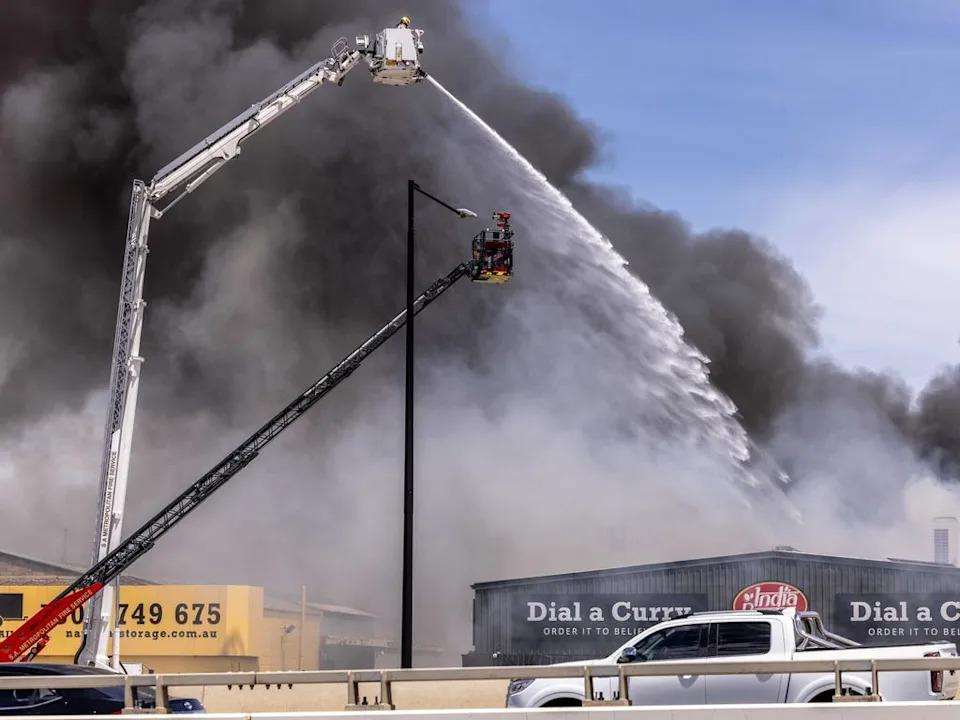
Emergency authorities have lifted the evacuation zone following a major fertiliser plant fire at Port Adelaide, after firefighters successfully brought the blaze under control. The incident generated thick toxic smoke that drifted across nearby suburbs, prompting emergency warnings and advice for residents to remain indoors and keep doors and windows closed.
Fire crews, hazardous materials specialists and other emergency services responded to the industrial site, working for several hours to contain the fire and reduce the risk posed by the smoke plume. Once monitoring confirmed that conditions had improved, authorities downgraded the emergency and allowed residents to return to normal activities, while advising people to continue following any remaining health guidance.
Two workers who were affected during the incident were taken for medical assessment. Officials said their condition is being monitored, while workplace safety investigators will examine the circumstances surrounding the fire. The cause has not yet been officially confirmed.
Environmental monitoring teams have continued checking air quality around the affected area. Authorities stated that the immediate danger has reduced significantly since the fire was extinguished, although investigations and site safety assessments remain ongoing before normal industrial operations can resume.
Port Adelaide is one of South Australia's most important industrial and logistics precincts, handling manufacturing, storage and freight activities. Incidents involving industrial facilities require coordinated responses because of the potential impact on nearby residential communities, transport routes and the environment.
Emergency services thanked residents for following official advice during the incident. Authorities emphasised that rapid public cooperation helped reduce potential health risks while firefighters and hazardous materials crews worked to control the situation safely.
Investigators will now focus on determining how the fire started, assessing damage to the facility and identifying any measures needed to prevent similar incidents in the future. Further updates are expected once technical inspections are completed.
FireEmergencyAuthoritiesIndustrialAdelaide
Emergency authorities have lifted the evacuation zone following a major fertiliser plant fire at Port Adelaide, after firefighters successfully brought the blaze under control. The incident generated thick toxic smoke that drifted across nearby suburbs, prompting emergency warnings and advice for residents to remain indoors and keep doors and windows closed.
Fire crews, hazardous materials specialists and other emergency services responded to the industrial site, working for several hours to contain the fire and reduce the risk posed by the smoke plume. Once monitoring confirmed that conditions had improved, authorities downgraded the emergency and allowed residents to return to normal activities, while advising people to continue following any remaining health guidance.
Two workers who were affected during the incident were taken for medical assessment. Officials said their condition is being monitored, while workplace safety investigators will examine the circumstances surrounding the fire. The cause has not yet been officially confirmed.
Environmental monitoring teams have continued checking air quality around the affected area. Authorities stated that the immediate danger has reduced significantly since the fire was extinguished, although investigations and site safety assessments remain ongoing before normal industrial operations can resume.
Port Adelaide is one of South Australia's most important industrial and logistics precincts, handling manufacturing, storage and freight activities. Incidents involving industrial facilities require coordinated responses because of the potential impact on nearby residential communities, transport routes and the environment.
Emergency services thanked residents for following official advice during the incident. Authorities emphasised that rapid public cooperation helped reduce potential health risks while firefighters and hazardous materials crews worked to control the situation safely.
Investigators will now focus on determining how the fire started, assessing damage to the facility and identifying any measures needed to prevent similar incidents in the future. Further updates are expected once technical inspections are completed.
Central Coast New South Wales · Emergency News · 24 Sep 2026
Emergency services responded to a fire at the former Woy Woy Leagues Club on the Central Coast on Thursday, 24 September 2026. The abandoned venue was reported to have gone up i...
Thousands of homes and businesses around Mildura in north-west Victoria are dealing with an extended power outage after a vehicle crashed into a power pole at Birdwoodton. The i...
Two teenage boys were taken to hospital after falling from a dam wall at a popular swimming location in Brisbane’s north during the first weekend of Que...
Fire crews are battling a bushfire covering about 40 hectares near Gracemere in Queensland, with waterbombing aircraft and multiple crews deployed as he...
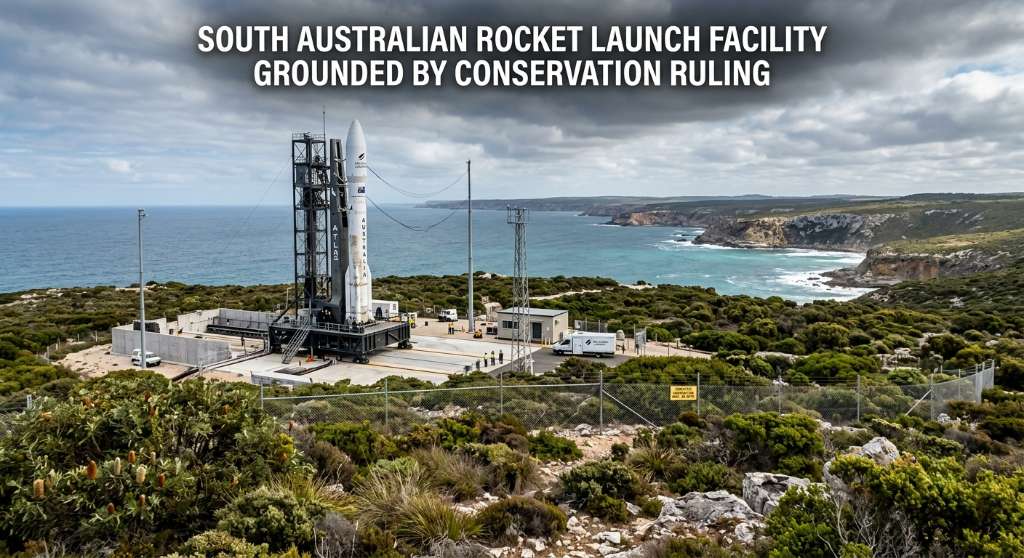
A proposed rocket launch facility near Port Lincoln has been put on hold after South Australia's Native Vegetation Council rejected an application to al...
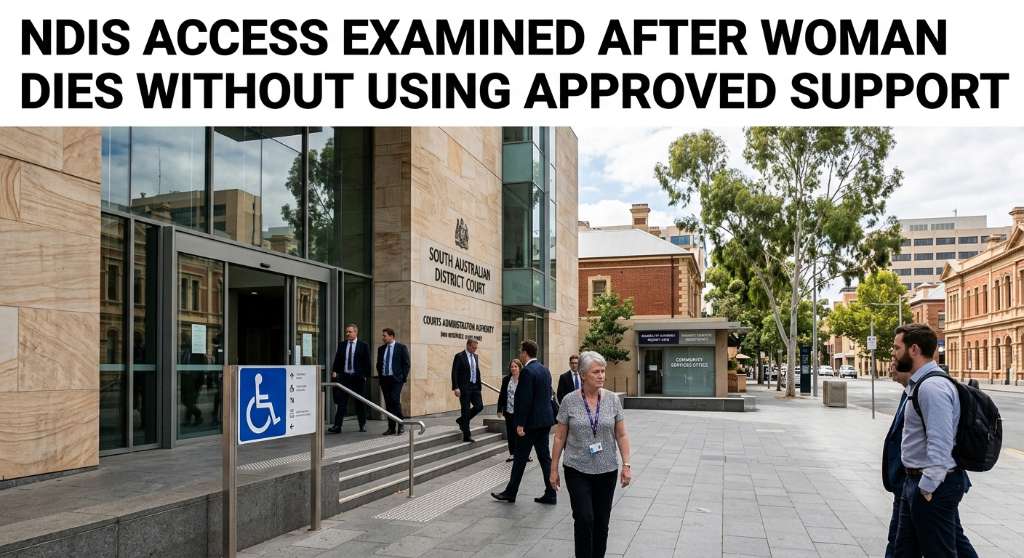
A South Australian inquest is examining how a woman with an intellectual disability died without accessing the $75,000 in NDIS funding she had been appr...
Sixteen-year-old Xavier Cain from Mount Gambier is preparing to compete against some of the world's leading simulator racers in the 2026 Porsche e Sports...
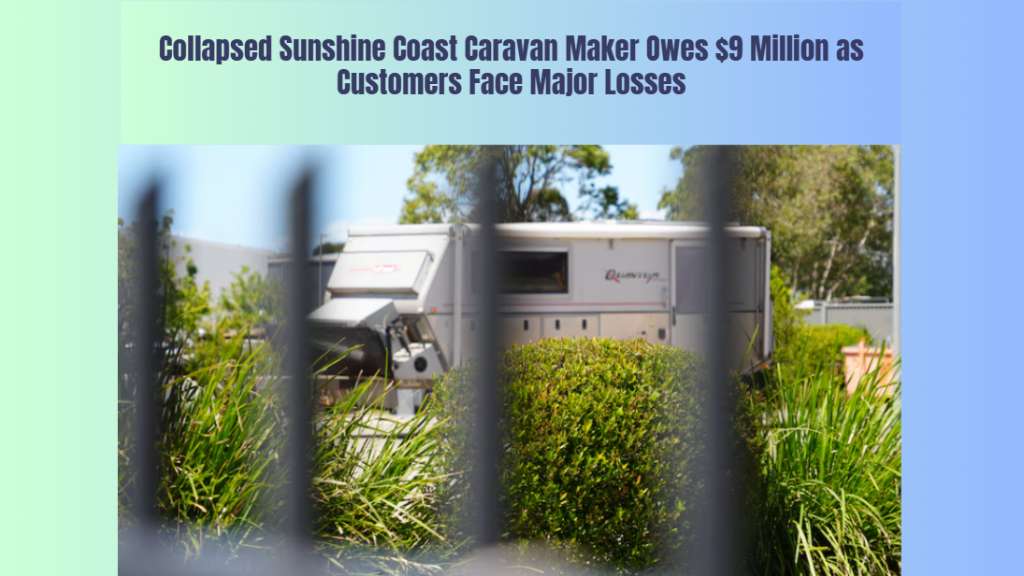
Administrators have revealed Australian Off Road owes about $9 million after the Sunshine Coast caravan manufacturer collapsed, leaving customers, emplo...
A woman has died following a serious three-vehicle collision involving a commercial bus and two cars in Glenburn, in Victoria’s Yarra Ranges, on Thursday, 24 September 2026. Eme...
A woman has died following a serious three-car collision in Leongatha, Victoria, on Wednesday afternoon, 23 September 2026. Emergency services were called to the Strzelecki High...
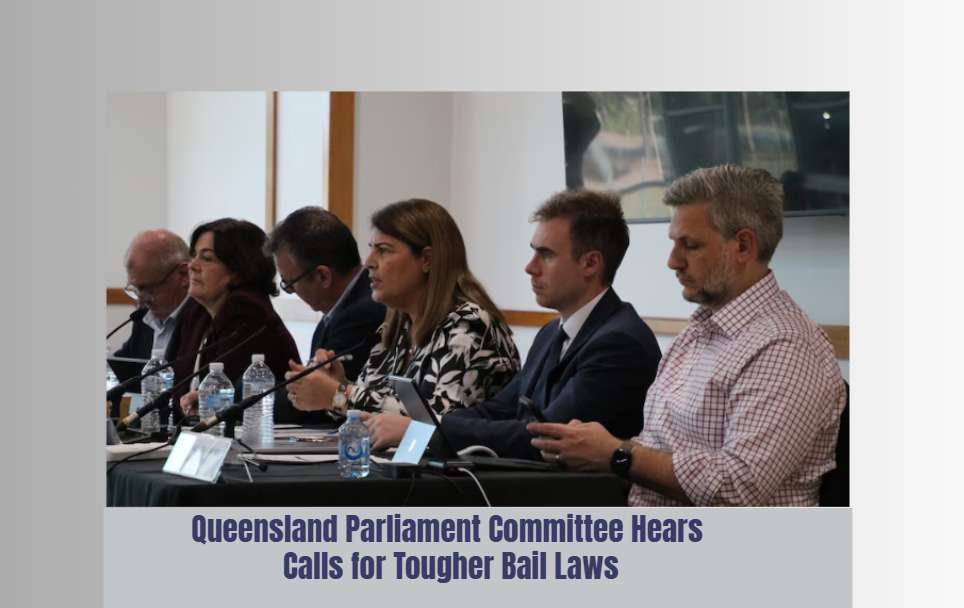
A Queensland parliamentary committee has completed regional hearings on proposed tougher bail laws, hearing from crime victims, legal experts and commun...