Safety note: Admin approval is an initial review, not a guarantee that every detail is correct. Check important or urgent claims with official sources and report anything inaccurate or unsafe.
Source and credit: Contributor's own report
Experts urge Australia to reform laws protecting stateless people - Canberra, ACT
Smart summary
Legal experts and human rights advocates are calling on the Australian Government to introduce stronger protections for stateless people, warning that gaps in the current system leave many without secure legal status...
Legal experts and human rights organisations are urging the Australian Government to strengthen protections for stateless people, arguing that existing laws do not adequately recognise or support individuals who are not considered citizens by any country.
Statelessness affects people who, under the laws of every nation, are not recognised as nationals or citizens. Without nationality, individuals often face significant barriers in accessing education, healthcare, employment, travel documents and long-term residency. Experts say the lack of legal recognition can also leave people in prolonged uncertainty, making it difficult to build stable lives.
According to advocates, Australia currently has no formal legal process to determine whether a person is stateless. Instead, affected individuals must navigate the country's immigration system without a dedicated framework that recognises their unique circumstances. Human rights lawyers argue this creates unnecessary hardship for people who cannot return to another country because no nation legally accepts them as citizens.
The issue was highlighted through the experiences of several stateless people living in Australia, some of whom have spent years on temporary visas or in immigration detention while trying to resolve their legal status. Many have lived in Australia for extended periods, completed their education and established strong community ties, yet remain uncertain about their future because they cannot obtain permanent residency or citizenship.
Legal experts told ABC News that Australia should establish a formal Statelessness Determination Procedure, similar to systems operating in countries such as the United Kingdom, Spain and France. Such a process would allow authorities to formally assess whether a person is stateless and provide them with appropriate legal protections.
Advocates also recommend creating a pathway to permanent residency and eventual citizenship for recognised stateless people who have established long-term lives in Australia. They argue this approach would improve certainty for individuals while ensuring Australia's immigration system complies with international human rights standards.
Australia is a signatory to the 1954 Convention Relating to the Status of Stateless Persons, which sets out minimum standards of protection for stateless individuals. However, legal experts argue that Australia has not fully implemented those obligations through domestic legislation. They say introducing a dedicated legal framework would provide greater consistency and fairness.
The Department of Home Affairs has stated that Australia considers international obligations when making immigration decisions and that each visa application is assessed individually under existing migration laws. However, advocates believe broader legislative reform is needed to address the unique challenges faced by stateless people.
Human rights organisations have also highlighted the emotional and psychological impact of statelessness. Many individuals experience years of uncertainty, family separation and restrictions on employment or overseas travel while waiting for immigration decisions.
The debate comes as countries around the world continue efforts to reduce statelessness and improve access to nationality. The United Nations High Commissioner for Refugees (UNHCR) has encouraged governments to establish clear legal pathways for recognising and protecting stateless people.
Supporters of reform say creating a dedicated legal framework would provide greater certainty, reduce lengthy immigration disputes and ensure vulnerable individuals receive fair treatment. They argue that recognising statelessness through law would strengthen Australia's commitment to international human rights while helping affected people build secure futures.
The discussion is expected to continue as legal experts, advocacy groups and policymakers examine possible reforms to Australia's migration system and protections for stateless individuals.
LegalStatelessPeopleIndividualsExperts
Legal experts and human rights organisations are urging the Australian Government to strengthen protections for stateless people, arguing that existing laws do not adequately recognise or support individuals who are not considered citizens by any country.
Statelessness affects people who, under the laws of every nation, are not recognised as nationals or citizens. Without nationality, individuals often face significant barriers in accessing education, healthcare, employment, travel documents and long-term residency. Experts say the lack of legal recognition can also leave people in prolonged uncertainty, making it difficult to build stable lives.
According to advocates, Australia currently has no formal legal process to determine whether a person is stateless. Instead, affected individuals must navigate the country's immigration system without a dedicated framework that recognises their unique circumstances. Human rights lawyers argue this creates unnecessary hardship for people who cannot return to another country because no nation legally accepts them as citizens.
The issue was highlighted through the experiences of several stateless people living in Australia, some of whom have spent years on temporary visas or in immigration detention while trying to resolve their legal status. Many have lived in Australia for extended periods, completed their education and established strong community ties, yet remain uncertain about their future because they cannot obtain permanent residency or citizenship.
Legal experts told ABC News that Australia should establish a formal Statelessness Determination Procedure, similar to systems operating in countries such as the United Kingdom, Spain and France. Such a process would allow authorities to formally assess whether a person is stateless and provide them with appropriate legal protections.
Advocates also recommend creating a pathway to permanent residency and eventual citizenship for recognised stateless people who have established long-term lives in Australia. They argue this approach would improve certainty for individuals while ensuring Australia's immigration system complies with international human rights standards.
Australia is a signatory to the 1954 Convention Relating to the Status of Stateless Persons, which sets out minimum standards of protection for stateless individuals. However, legal experts argue that Australia has not fully implemented those obligations through domestic legislation. They say introducing a dedicated legal framework would provide greater consistency and fairness.
The Department of Home Affairs has stated that Australia considers international obligations when making immigration decisions and that each visa application is assessed individually under existing migration laws. However, advocates believe broader legislative reform is needed to address the unique challenges faced by stateless people.
Human rights organisations have also highlighted the emotional and psychological impact of statelessness. Many individuals experience years of uncertainty, family separation and restrictions on employment or overseas travel while waiting for immigration decisions.
The debate comes as countries around the world continue efforts to reduce statelessness and improve access to nationality. The United Nations High Commissioner for Refugees (UNHCR) has encouraged governments to establish clear legal pathways for recognising and protecting stateless people.
Supporters of reform say creating a dedicated legal framework would provide greater certainty, reduce lengthy immigration disputes and ensure vulnerable individuals receive fair treatment. They argue that recognising statelessness through law would strengthen Australia's commitment to international human rights while helping affected people build secure futures.
The discussion is expected to continue as legal experts, advocacy groups and policymakers examine possible reforms to Australia's migration system and protections for stateless individuals.
The Federal Government is preparing new measures targeting temporary visas, visa overstayers, international students and visa-hopping, while maintaining...
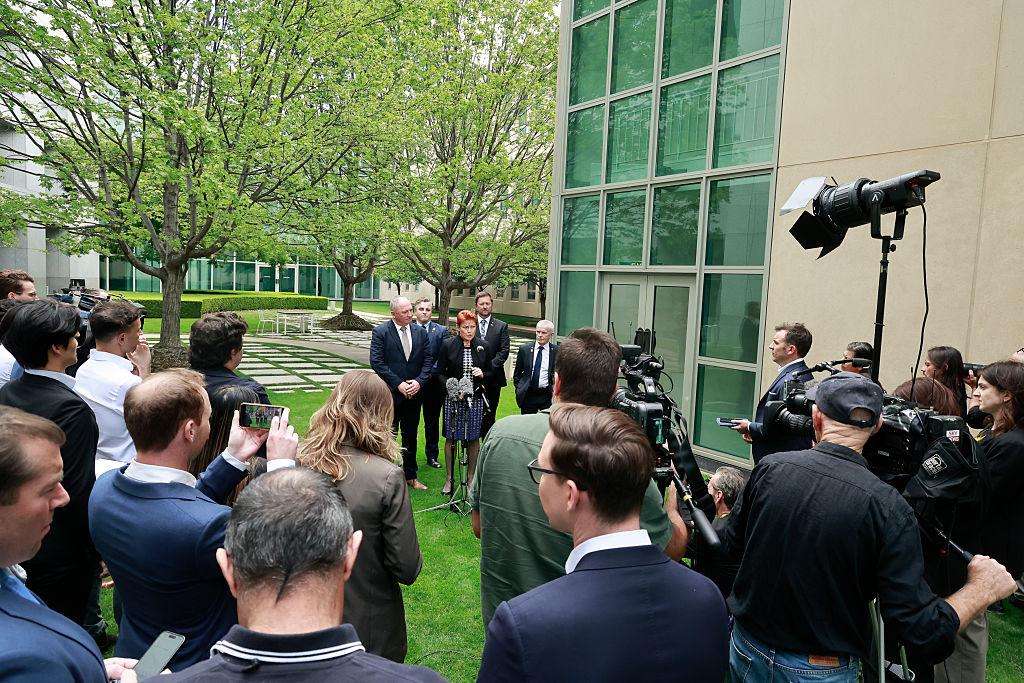
One Nation’s proposed major reduction in migration has triggered warnings that a sharp cut to population growth could weaken Australia’s economy and cre...
The Federal Government is preparing new measures targeting temporary visas, visa overstayers, international students and visa-hopping, while maintaining...
One Nation’s proposed major reduction in migration has triggered warnings that a sharp cut to population growth could weaken Australia’s economy and cre...
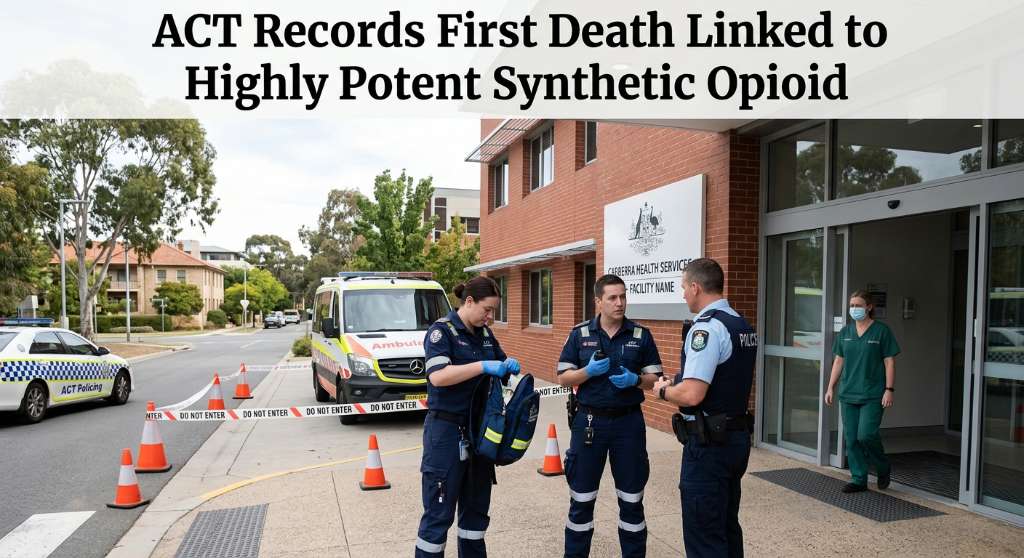
A Canberra woman has become the first person in the ACT whose death has been linked to a highly potent synthetic opioid, prompting renewed concern about...
Canberra’s Commonwealth Park has welcomed visitors for the annual Floriade festival, bringing flowers, entertainment and spring activities to the city.
Cairns Regional Council has unanimously voted to seek $400,000 in Queensland Government funding for a program designed to connect local businesses with the region’s growing film...
An automated external defibrillator and memorial plaque have been installed at Ellery Creek Big Hole following the death of disability advocate Ellen Fr...
Queensland firefighters spent several hours monitoring a significant grass fire at Mary Kinross Park in Bargara, near Bundaberg, after the blaze broke out on Wednesday evening....