Female Australian MPs Receive Three Times More Sexualised Threats, AFP Data Shows
By Chloe · Published 28 Oct 2026 · Updated 28 Oct 2026
Canberra, ACT · ACT News
Safety note: Admin approval is an initial review, not a guarantee that every detail is correct. Check important or urgent claims with official sources and report anything inaccurate or unsafe.
Source and credit: Contributor's own report
Female Australian MPs Receive Three Times More Sexualised Threats, AFP Data Shows - Canberra, ACT
Smart summary
Australian Federal Police figures reveal nearly 800 security reports involving politicians since January, prompting renewed concern about gender-based abuse and political safety.
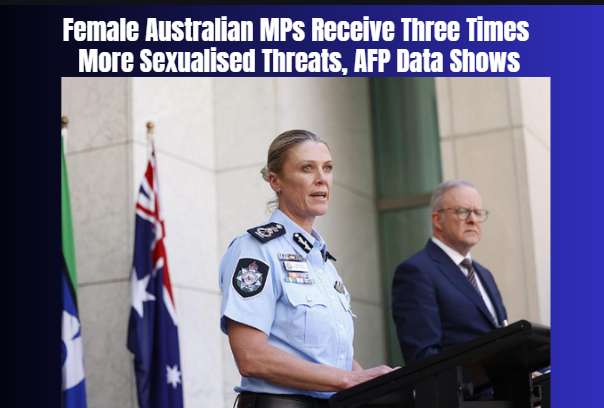
Female members of Australia's federal parliament are three times more likely than their male counterparts to receive sexualised threats, according to figures discussed by the Australian Federal Police (AFP). The findings have intensified calls for stronger protections for politicians, particularly women who face gender-based abuse alongside threats connected to their public roles.
The AFP has received nearly 800 security reports relating to politicians since January 2026. The figures come amid renewed concern about political violence following a violent attack on independent federal MP Helen Haines. The incident has prompted questions about whether existing security arrangements adequately protect elected representatives while allowing them to remain accessible to the communities they serve.
AFP Commissioner Krissy Barrett is among those involved in addressing the risks faced by parliamentarians. Security concerns include threatening communications, harassment, stalking and behaviour that may place politicians or their families at risk.
Sexualised threats can take forms including explicit messages, threats of sexual violence and abuse directed at a person's gender. Such conduct can cause significant distress and may affect a politician's willingness to attend public events, engage with constituents or maintain a visible online presence.
Independent senator Lidia Thorpe and independent MP Monique Ryan are among the politicians who have spoken publicly about issues affecting women in politics. Their experiences form part of a broader discussion about how gender-based hostility can overlap with political disagreement and intimidation.
Experts say the problem should not be treated simply as a consequence of heated political debate. Threats that target women through sexual violence or gender-based humiliation can discourage participation in public life and create additional barriers for people considering standing for elected office.
Political representatives need to maintain contact with their constituents. They regularly attend community meetings, visit workplaces, hold public events and communicate through social media. These activities are essential to democratic accountability, but they can also make politicians more accessible to people who intend to intimidate or threaten them.
Security measures therefore need to strike a balance between protecting parliamentarians and preserving an open political system. Measures may include assessing reported threats, improving coordination with police, providing safety advice and reviewing arrangements for public appearances and electorate offices.
The AFP's figures also raise questions about how threatening behaviour is reported and assessed. Not every abusive message will meet the threshold for criminal action, but repeated harassment or communications containing credible threats may require investigation. Clear reporting procedures can help authorities identify patterns and assess whether an individual poses an ongoing risk.
Experts have also highlighted the relationship between online abuse and real-world violence. Threats made through digital platforms can affect politicians beyond their workplaces, reaching their homes and families. The anonymity and rapid spread of online content can make abuse more persistent and difficult to manage.
The challenge extends beyond law enforcement. Political parties, media organisations and online platforms all influence the environment in which political discussion takes place. Public disagreement is a normal part of democracy, but threats and intimidation can undermine the ability of elected representatives to perform their duties safely.
The latest figures have renewed attention on the need for consistent support for politicians across federal, state and territory governments. Women and men in public office need access to appropriate security advice and reliable systems for reporting threats.
As Australia continues to debate political safety, the central concern is ensuring that people can participate in democratic life without facing intimidation or gender-based violence. Protecting politicians is also a way of protecting the public's ability to engage with representatives and take part in open political debate.
ThreatsPoliticalPoliticiansSecurityViolence
Female members of Australia's federal parliament are three times more likely than their male counterparts to receive sexualised threats, according to figures discussed by the Australian Federal Police (AFP). The findings have intensified calls for stronger protections for politicians, particularly women who face gender-based abuse alongside threats connected to their public roles.
The AFP has received nearly 800 security reports relating to politicians since January 2026. The figures come amid renewed concern about political violence following a violent attack on independent federal MP Helen Haines. The incident has prompted questions about whether existing security arrangements adequately protect elected representatives while allowing them to remain accessible to the communities they serve.
AFP Commissioner Krissy Barrett is among those involved in addressing the risks faced by parliamentarians. Security concerns include threatening communications, harassment, stalking and behaviour that may place politicians or their families at risk.
Sexualised threats can take forms including explicit messages, threats of sexual violence and abuse directed at a person's gender. Such conduct can cause significant distress and may affect a politician's willingness to attend public events, engage with constituents or maintain a visible online presence.
Independent senator Lidia Thorpe and independent MP Monique Ryan are among the politicians who have spoken publicly about issues affecting women in politics. Their experiences form part of a broader discussion about how gender-based hostility can overlap with political disagreement and intimidation.
Experts say the problem should not be treated simply as a consequence of heated political debate. Threats that target women through sexual violence or gender-based humiliation can discourage participation in public life and create additional barriers for people considering standing for elected office.
Political representatives need to maintain contact with their constituents. They regularly attend community meetings, visit workplaces, hold public events and communicate through social media. These activities are essential to democratic accountability, but they can also make politicians more accessible to people who intend to intimidate or threaten them.
Security measures therefore need to strike a balance between protecting parliamentarians and preserving an open political system. Measures may include assessing reported threats, improving coordination with police, providing safety advice and reviewing arrangements for public appearances and electorate offices.
The AFP's figures also raise questions about how threatening behaviour is reported and assessed. Not every abusive message will meet the threshold for criminal action, but repeated harassment or communications containing credible threats may require investigation. Clear reporting procedures can help authorities identify patterns and assess whether an individual poses an ongoing risk.
Experts have also highlighted the relationship between online abuse and real-world violence. Threats made through digital platforms can affect politicians beyond their workplaces, reaching their homes and families. The anonymity and rapid spread of online content can make abuse more persistent and difficult to manage.
The challenge extends beyond law enforcement. Political parties, media organisations and online platforms all influence the environment in which political discussion takes place. Public disagreement is a normal part of democracy, but threats and intimidation can undermine the ability of elected representatives to perform their duties safely.
The latest figures have renewed attention on the need for consistent support for politicians across federal, state and territory governments. Women and men in public office need access to appropriate security advice and reliable systems for reporting threats.
As Australia continues to debate political safety, the central concern is ensuring that people can participate in democratic life without facing intimidation or gender-based violence. Protecting politicians is also a way of protecting the public's ability to engage with representatives and take part in open political debate.
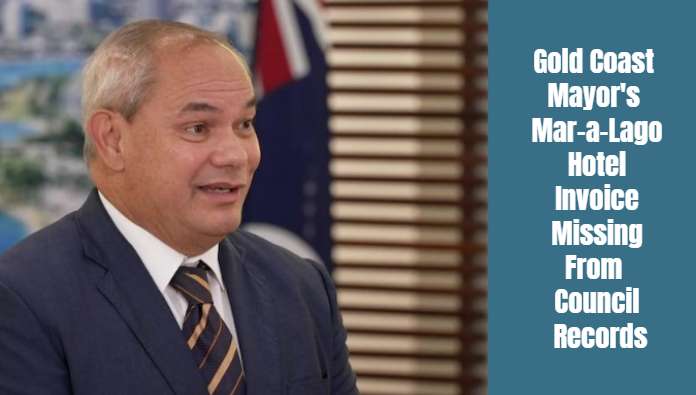
A freedom of information request has revealed that Gold Coast Council does not hold a copy of the invoice for Mayor Tom Tate's three-day stay at Donald...
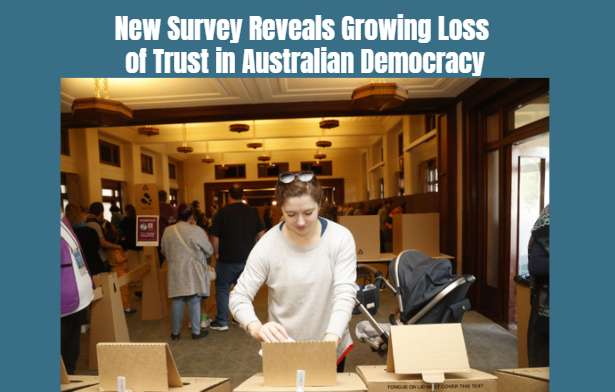
A nationwide survey of 4,000 Australians reveals declining confidence in politicians, growing dissatisfaction with democracy and significant differences...
New figures reveal more than $3 million in government spending on promotional merchandise, including unusual items such as condoms and lollies, raising...
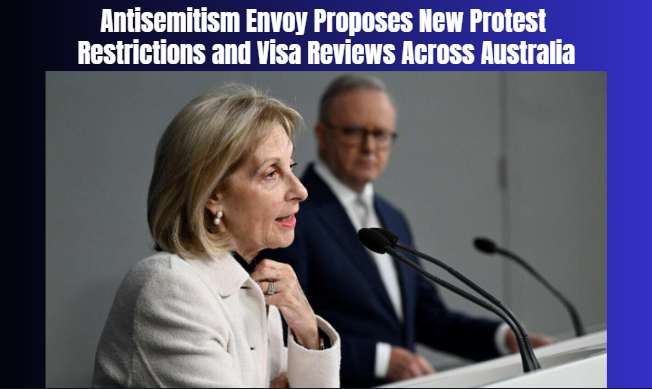
Australia's antisemitism envoy has recommended stronger protest rules, additional visa checks and independent oversight of public broadcasters as part o...
The Australian government has launched a parliamentary investigation into whether Australia Post is keeping up with changing customer needs as tradition...
A psychiatric report presented to South Australia's Supreme Court has raised questions about Tamika Chesser's mental competence in the case involving th...
A freedom of information request has revealed that Gold Coast Council does not hold a copy of the invoice for Mayor Tom Tate's three-day stay at Donald...