Safety note: Admin approval is an initial review, not a guarantee that every detail is correct. Check important or urgent claims with official sources and report anything inaccurate or unsafe.
Source and credit: Contributor's own report
FNQ Council Warns Proposed Disaster Funding Changes Could Hurt Disaster-Prone Communities - Cairns, QLD
Smart summary
Far North Queensland councils have criticised proposed changes to disaster funding arrangements, warning the reforms could reduce support for regions regularly impacted by cyclones, floods and other natural disasters.
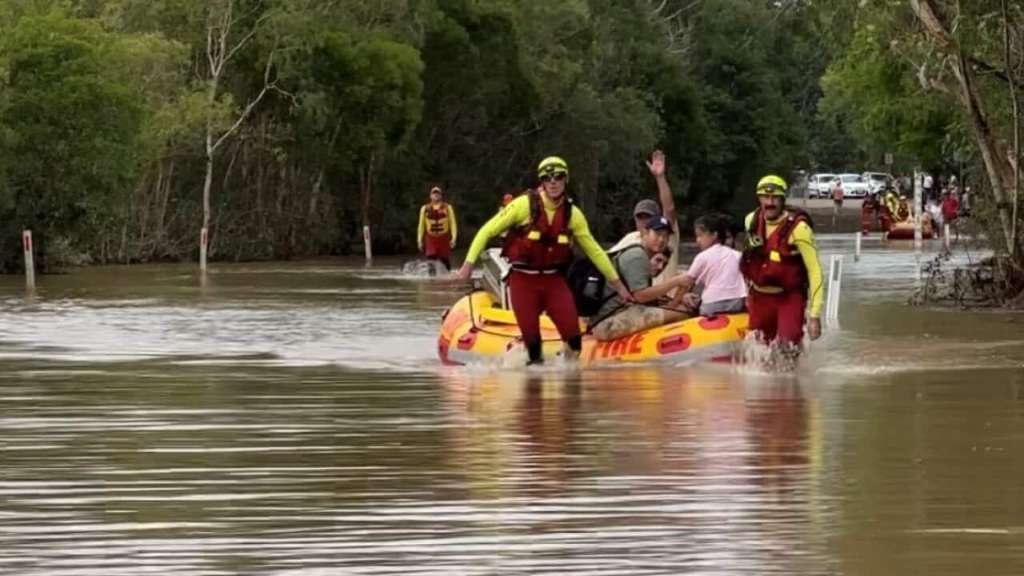
Far North Queensland councils have raised strong concerns about proposed changes to Australia’s disaster funding arrangements, warning that the reforms could place additional financial pressure on communities that are already among the most vulnerable to natural disasters.
The Cairns Regional Council has unanimously opposed the proposed changes, arguing that the new funding model could reduce the level of federal support available for disaster recovery. Councillors say regions such as Far North Queensland face significant risks from cyclones, flooding and severe weather events, requiring reliable government assistance when major disasters occur.
Under the proposed reforms, disaster recovery funding would move towards a 50-50 cost-sharing arrangement between the federal and state governments. Local leaders argue this change could reduce the Commonwealth’s contribution and leave states and councils carrying a greater financial burden during major recovery efforts.
Cairns councillors highlighted the region’s experience following major disasters, including the significant recovery work required after Cyclone Jasper. The council received substantial disaster assistance following the event, which helped repair damaged infrastructure and support affected communities. Councillors warned that reduced funding support in future disasters could make recovery more difficult.
Council representatives argue that the federal government should maintain a stronger role in disaster funding because of its larger revenue base and ability to provide financial support during widespread emergencies. They believe regional councils with smaller budgets cannot absorb major recovery costs without assistance from higher levels of government.
The proposed changes have also raised concerns among other regional councils across Queensland. Leaders say increasing financial thresholds for disaster assistance could make it harder for smaller communities to access funding after storms, floods and infrastructure damage.
Supporters of reform argue that Australia’s disaster funding system needs to be modernised to improve efficiency, resilience and long-term disaster preparedness. The federal government says changes are based on recommendations from an independent review and aim to create a more sustainable approach to managing increasing disaster risks.
However, councils in disaster-prone regions say the proposed model does not properly recognise the challenges faced by remote and regional communities. They argue that smaller councils often have limited financial capacity and cannot match the recovery resources available to larger metropolitan areas.
Far North Queensland leaders say maintaining strong disaster funding arrangements is essential for protecting communities, rebuilding infrastructure and supporting residents after emergencies. They plan to provide feedback to the National Emergency Management Agency as part of the consultation process.
The debate highlights a broader national challenge: balancing government spending with the need to ensure communities exposed to natural disasters have access to timely recovery assistance.
For regions like Cairns and surrounding Far North Queensland areas, local leaders say disaster funding is not only about rebuilding after events occur but also about protecting communities and improving resilience before the next emergency arrives.
DisasterFundingCommunitiesRecoveryCould
Far North Queensland councils have raised strong concerns about proposed changes to Australia’s disaster funding arrangements, warning that the reforms could place additional financial pressure on communities that are already among the most vulnerable to natural disasters.
The Cairns Regional Council has unanimously opposed the proposed changes, arguing that the new funding model could reduce the level of federal support available for disaster recovery. Councillors say regions such as Far North Queensland face significant risks from cyclones, flooding and severe weather events, requiring reliable government assistance when major disasters occur.
Under the proposed reforms, disaster recovery funding would move towards a 50-50 cost-sharing arrangement between the federal and state governments. Local leaders argue this change could reduce the Commonwealth’s contribution and leave states and councils carrying a greater financial burden during major recovery efforts.
Cairns councillors highlighted the region’s experience following major disasters, including the significant recovery work required after Cyclone Jasper. The council received substantial disaster assistance following the event, which helped repair damaged infrastructure and support affected communities. Councillors warned that reduced funding support in future disasters could make recovery more difficult.
Council representatives argue that the federal government should maintain a stronger role in disaster funding because of its larger revenue base and ability to provide financial support during widespread emergencies. They believe regional councils with smaller budgets cannot absorb major recovery costs without assistance from higher levels of government.
The proposed changes have also raised concerns among other regional councils across Queensland. Leaders say increasing financial thresholds for disaster assistance could make it harder for smaller communities to access funding after storms, floods and infrastructure damage.
Supporters of reform argue that Australia’s disaster funding system needs to be modernised to improve efficiency, resilience and long-term disaster preparedness. The federal government says changes are based on recommendations from an independent review and aim to create a more sustainable approach to managing increasing disaster risks.
However, councils in disaster-prone regions say the proposed model does not properly recognise the challenges faced by remote and regional communities. They argue that smaller councils often have limited financial capacity and cannot match the recovery resources available to larger metropolitan areas.
Far North Queensland leaders say maintaining strong disaster funding arrangements is essential for protecting communities, rebuilding infrastructure and supporting residents after emergencies. They plan to provide feedback to the National Emergency Management Agency as part of the consultation process.
The debate highlights a broader national challenge: balancing government spending with the need to ensure communities exposed to natural disasters have access to timely recovery assistance.
For regions like Cairns and surrounding Far North Queensland areas, local leaders say disaster funding is not only about rebuilding after events occur but also about protecting communities and improving resilience before the next emergency arrives.
Queensland's emerging football prospects are coming together for a three-day Brisbane Lions State Academy showcase, giving young players an opportunity...
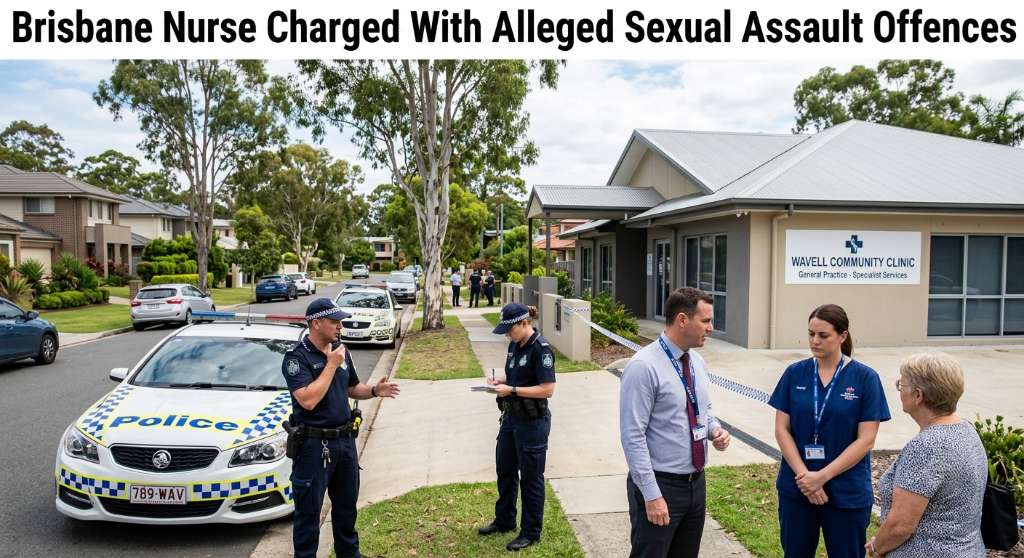
A Wavell Heights enrolled nurse has been charged with four counts of alleged sexual assault and one count of wilful exposure, with his professional regi...
A 24-year-old Carina Heights man has been charged with 36 offences following an investigation into alleged break-ins, vehicle offences and other propert...
Cairns Regional Council has unanimously voted to seek $400,000 in Queensland Government funding for a program designed to connect local businesses with the region’s growing film...
An automated external defibrillator and memorial plaque have been installed at Ellery Creek Big Hole following the death of disability advocate Ellen Fr...
Queensland firefighters spent several hours monitoring a significant grass fire at Mary Kinross Park in Bargara, near Bundaberg, after the blaze broke out on Wednesday evening....